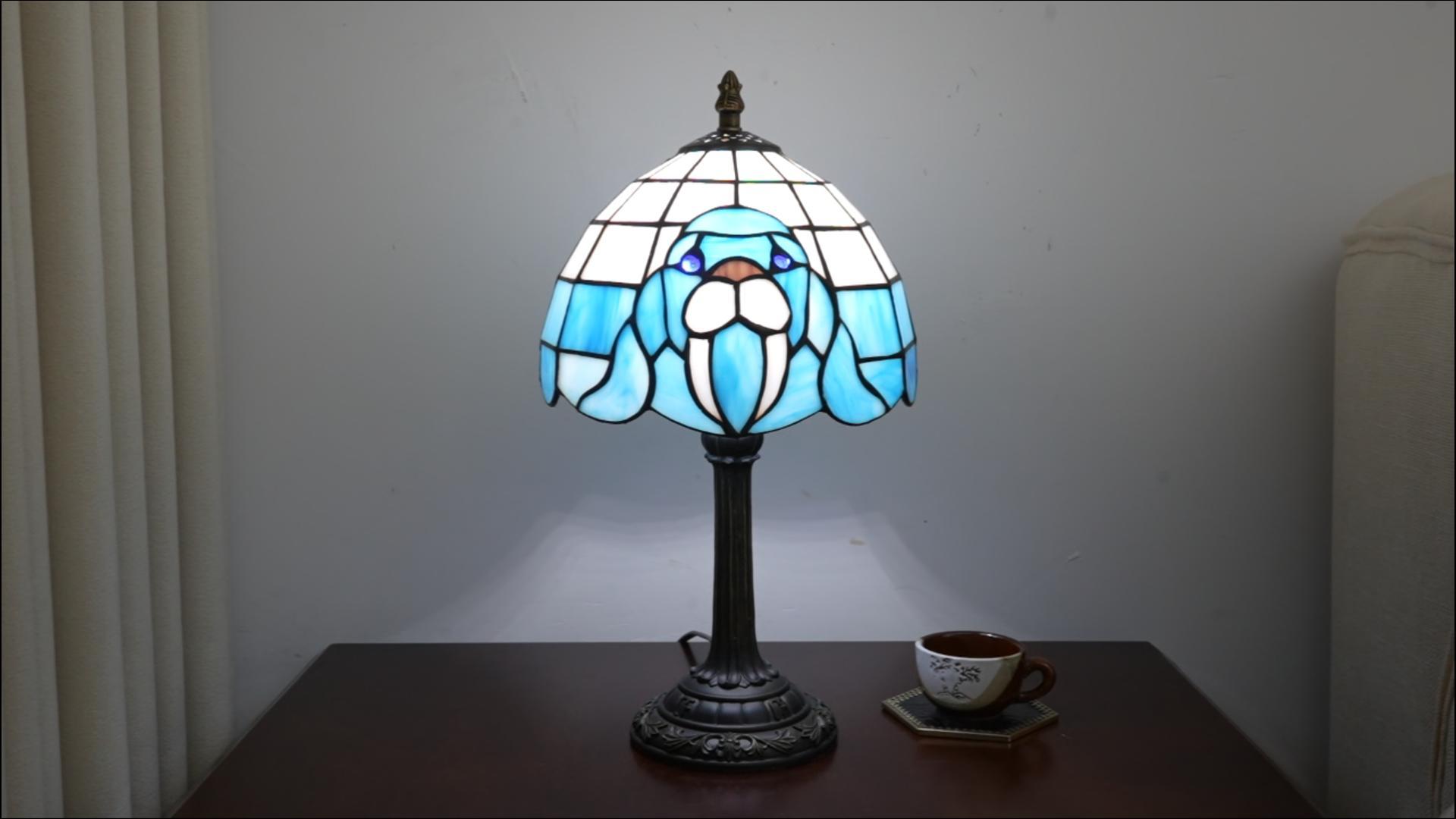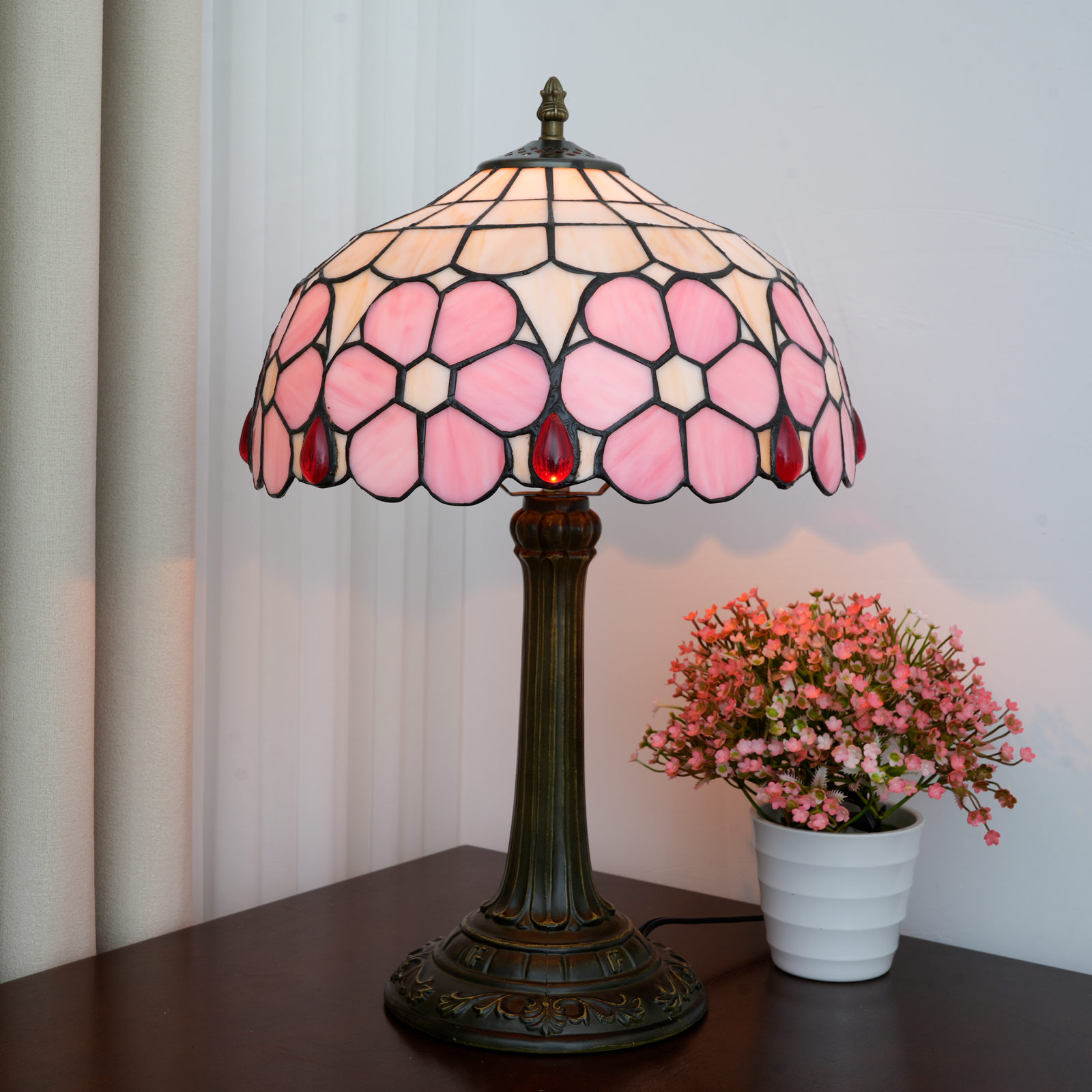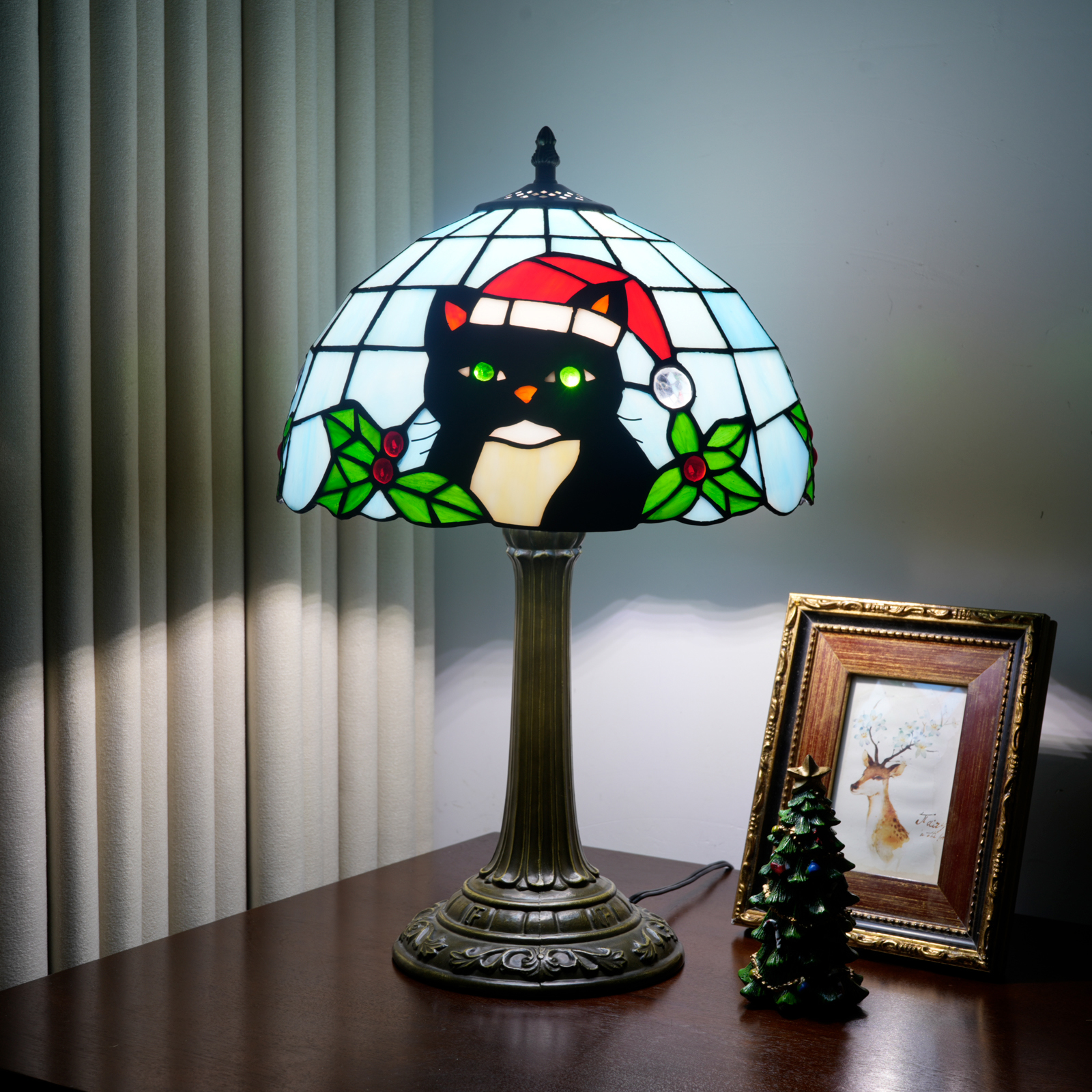





Ambient Lighting: The Unsung Hero of Interior Designdecorative table lamp
November 7, 2026

What is Ambient Lighting?
Ambient lighting, often referred to as general lighting, is the primary source of light in a room that provides overall illumination, allowing you to see and move safely. Unlike task or accent lighting, which serve specific purposes, ambient lighting creates a uniform glow that fills the space. It's the foundation of any lighting design, setting the mood and enhancing the functionality of a room. Without proper ambient lighting, a space can feel dim, unwelcoming, or even unsafe. In this article, we'll delve into the world of ambient lighting, offering practical advice and insights to help you make informed decisions for your home or office.
The Role of Ambient Lighting in Interior Design
Ambient lighting plays a crucial role in interior design by influencing the perception of space, color, and texture. A well-lit room appears larger and more inviting, while poor ambient lighting can make even the most beautifully decorated room feel cramped and dull. Layered lighting—combining ambient, task, and accent lighting—is a key principle in design, but ambient lighting serves as the base layer. It also affects our circadian rhythms and mood; warm ambient light can create a cozy atmosphere, while cool light can boost alertness. Designers often use ambient lighting to highlight architectural features, such as vaulted ceilings or textured walls, by washing them with soft, even light.
Types of Ambient Lighting Fixtures
There are numerous fixtures that can provide ambient lighting, each with its own characteristics. Ceiling fixtures like chandeliers, pendants, and flush mounts are common choices, offering direct downward light. Recessed lighting (can lights) is popular for its clean, unobtrusive look and even distribution. Track lighting allows for adjustable directionality, making it versatile for changing needs. Wall sconces and up-lights can provide indirect ambient light by bouncing light off walls and ceilings, creating a soft, diffused effect. Floor lamps and table lamps can also contribute to ambient lighting when equipped with diffusers or aimed at ceilings. The choice depends on the room's size, ceiling height, and style.
How to Choose the Right Ambient Lighting
Selecting the right ambient lighting requires careful consideration of several factors. First, determine the lumens needed based on room size and function. A general rule of thumb is 20 lumens per square foot for living areas, but this can vary. Second, consider the color temperature: warm white (2700K-3000K) for cozy spaces like bedrooms, and cool white (3500K-5000K) for areas needing focus, like kitchens or offices. Third, think about light distribution—layered lighting with multiple sources prevents harsh shadows. Fourth, dimmers are essential for adjusting ambient light levels to suit different times of day and activities. Finally, ensure fixtures match your decor style and scale appropriately with the room's proportions. Consulting a lighting designer can be beneficial for complex spaces.
Common Mistakes in Ambient Lighting
Even with good intentions, many people make mistakes with ambient lighting. One common error is over-illumination, which can cause glare and discomfort. Using a single bright central light can create harsh shadows and a flat look; instead, aim for multiple sources. Another mistake is ignoring color temperature consistency—mixing warm and cool lights in the same space can feel jarring. Neglecting dimmers limits flexibility and energy savings. Poor placement of recessed lights can lead to dark corners or light trespassing on walls. Also, failing to consider ceiling height can result in fixtures that hang too low or provide inadequate light. Avoiding these pitfalls will ensure a comfortable and functional ambient lighting scheme.
Ambient Lighting Trends and Innovations
The world of ambient lighting is evolving with technology. LED lighting has revolutionized the field, offering energy efficiency, longevity, and design flexibility. Smart lighting systems allow you to control ambient light intensity and color temperature via apps or voice commands, enhancing convenience and mood setting. Human-centric lighting mimics natural daylight patterns, supporting well-being. Integrated lighting in furniture and architectural elements is gaining popularity, blurring the lines between fixture and function. Sustainable materials and circular design are also trends, with manufacturers focusing on recyclable components. Keeping abreast of these trends can help you create a modern, efficient, and aesthetically pleasing ambient lighting design.
Frequently Asked Questions
What is the difference between ambient and task lighting?
Ambient lighting provides overall illumination for a space, while task lighting is focused on specific areas for activities like reading or cooking. Ambient lighting sets the general mood, whereas task lighting enhances functionality.
How many lumens do I need for ambient lighting?
A common guideline is 20 lumens per square foot for general ambient lighting in living spaces. However, this can vary based on room function and personal preference. For example, kitchens may need 30-40 lumens per square foot.
Can I use only ambient lighting in a room?
While ambient lighting alone can illuminate a room, it may not suffice for tasks requiring focus. Layering with task and accent lighting is recommended for a balanced and functional space.
What color temperature is best for ambient lighting?
Warm white (2700K-3000K) is ideal for relaxing areas like bedrooms and living rooms, while cool white (3500K-5000K) suits workspaces and kitchens. Consistency within a room is key to avoid a disjointed feel.
How can I reduce glare from ambient lighting?
Use diffusers, avoid bare bulbs, and opt for multiple low-intensity sources rather than a single bright one. Proper placement and shielding can also minimize glare.