




Illuminate Your Living Space: The Ultimate Guide to Choosing Lamps for Your Living RoomBlivuself
November 7, 2026

Why Lamps for Living Room Matter
The living room is the heart of your home—a place for relaxation, entertainment, and connection. Lamps for living room are not just functional; they are essential design elements that set the mood and enhance the aesthetic. Proper lighting can make a small room feel spacious, a dark corner inviting, and a neutral palette warm. Investing in the right lamps elevates your living room's comfort and style.
Types of Lamps for Living Room
When selecting lamps for your living room, consider the three main types: ambient, task, and accent lighting. Ambient lighting provides overall illumination, often from ceiling fixtures or floor lamps. Task lighting aids specific activities like reading, best achieved with table lamps or adjustable floor lamps. Accent lighting highlights architectural features or artwork, using spotlights or small decorative lamps. A balanced mix of these creates a layered, versatile lighting scheme.
Choosing the Right Size and Scale
Scale is crucial: a tiny lamp on a large table looks lost, while an oversized lamp can overwhelm. For a standard side table, aim for a lamp that is at least 24 inches tall so the bottom of the shade is at eye level when seated. Floor lamps should be tall enough to cast light over a seating area, typically 60 inches or more. Measure your space and furniture before shopping to ensure proportional harmony.
Style and Design Considerations
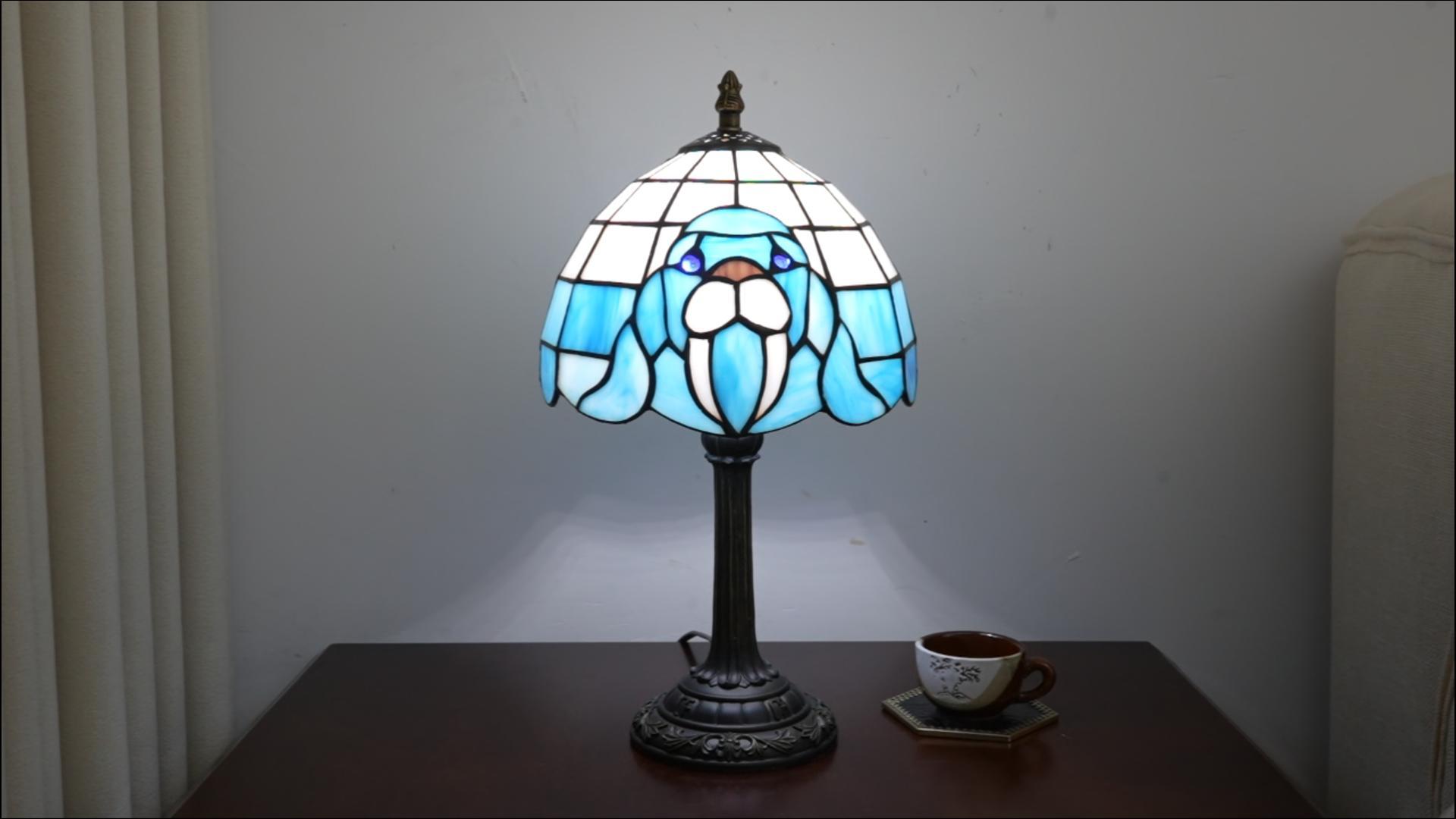
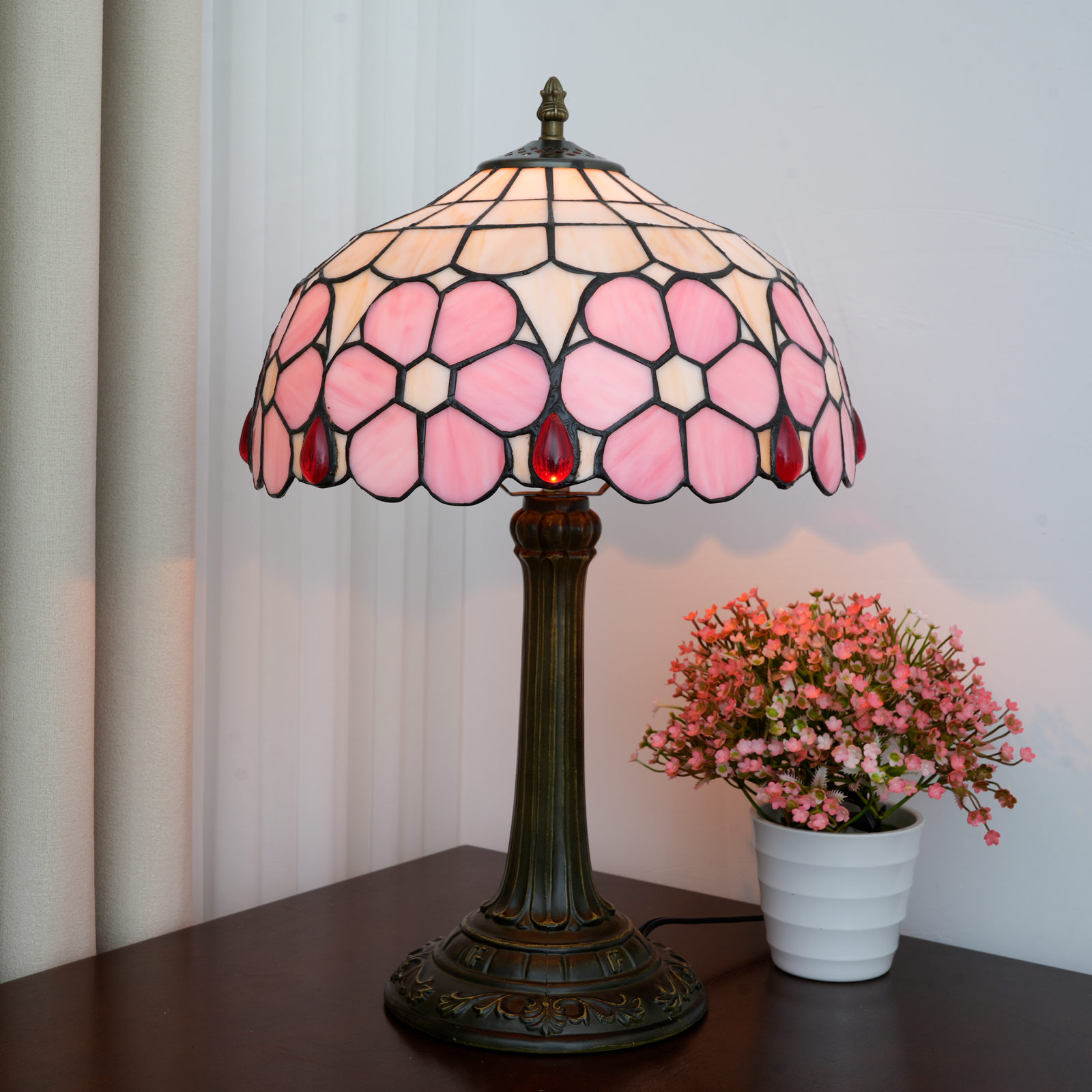
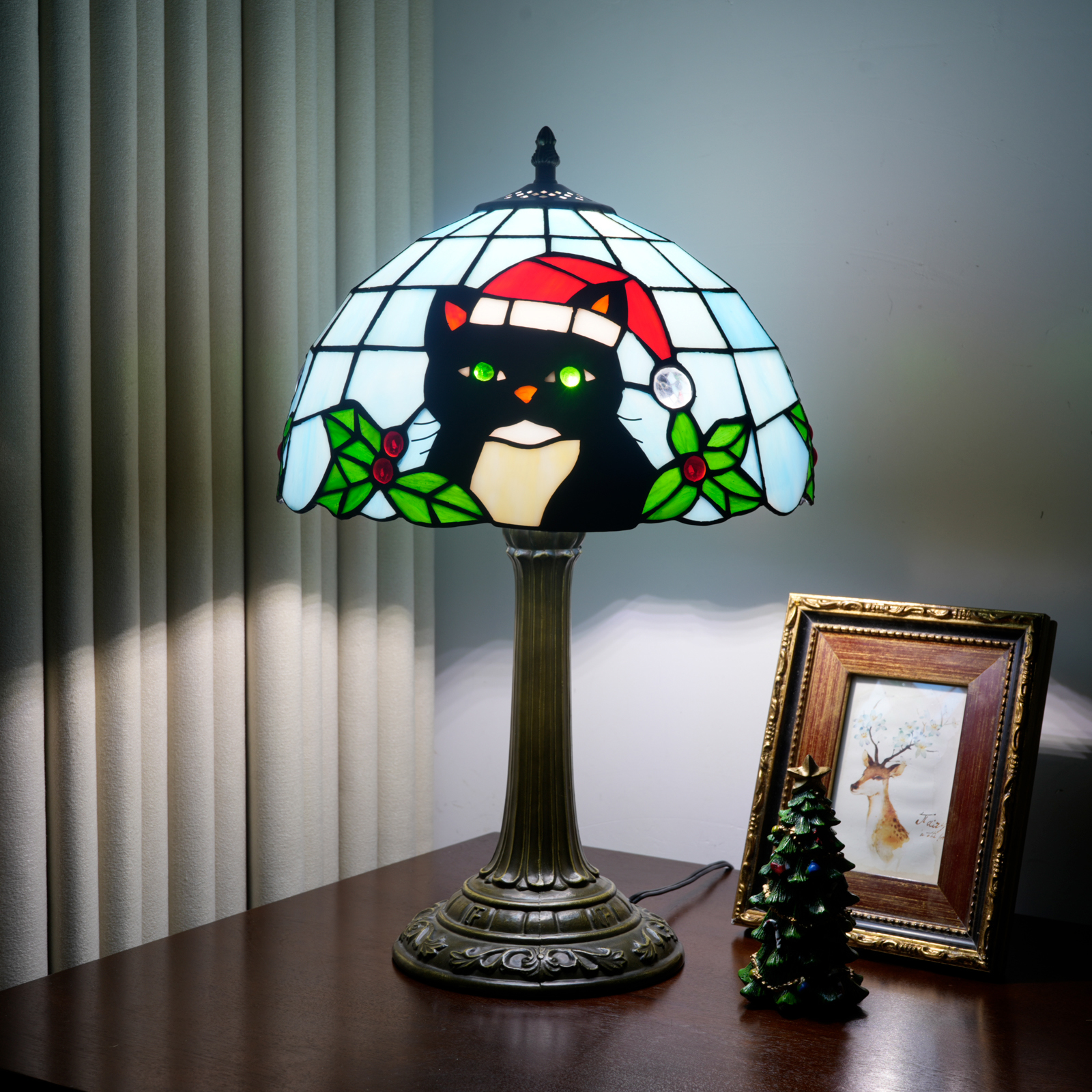
Your lamps should complement the room's decor. Modern minimalist spaces benefit from sleek, geometric designs, while traditional rooms suit classic shapes with fabric shades. Consider the lamp's material and finish—brass adds warmth, chrome feels contemporary, and wood brings natural texture. The shade's color and material also affect light quality: white shades diffuse light evenly, while colored or metallic shades create dramatic effects. Choose styles that reflect your personality and enhance the overall design.
Placement and Layering
Strategic placement is key to effective living room lighting. Place floor lamps in corners to brighten dark areas, and use table lamps on side tables for reading light. Layer lighting by combining overhead fixtures with floor and table lamps to avoid harsh shadows. Consider dimmers to adjust brightness for different occasions, from lively gatherings to cozy movie nights. Proper placement ensures both functionality and visual appeal.
Energy Efficiency and Bulbs
Today's lamps for living room can be both stylish and energy-efficient. LED bulbs consume less energy and last longer than incandescent options. Look for lamps with adjustable color temperature to shift from cool daylight for tasks to warm white for relaxation. Also, check for compatible dimming features. Energy-efficient choices reduce your carbon footprint and electricity bills without compromising on light quality.
Common Mistakes to Avoid
One common mistake is relying on a single light source, which creates glare and uneven lighting. Avoid lamps that are too small or too large for their space, and don't overlook the importance of shade direction—upward-facing shades create ambient light, while downward-facing ones provide task lighting. Also, ensure cords are safely managed and lamps are stable, especially in homes with children or pets.
Frequently Asked Questions
Q: How many lamps should a living room have?A: There's no fixed number, but aim for at least three light sources: one ambient (e.g., ceiling fixture), one task (e.g., floor lamp for reading), and one accent (e.g., table lamp on a sideboard). Adjust based on room size and usage.
Q: What type of lamp is best for reading in the living room?A: A floor lamp or table lamp with an adjustable head and a shade that directs light downward is ideal for reading. Ensure the bulb provides sufficient brightness (around 800-1000 lumens) and is positioned at eye level when seated.
Q: Can I mix different lamp styles in one room?A: Yes, mixing styles can add character if done thoughtfully. Tie them together with a common element—such as a consistent metal finish or shade color—to create a cohesive look.