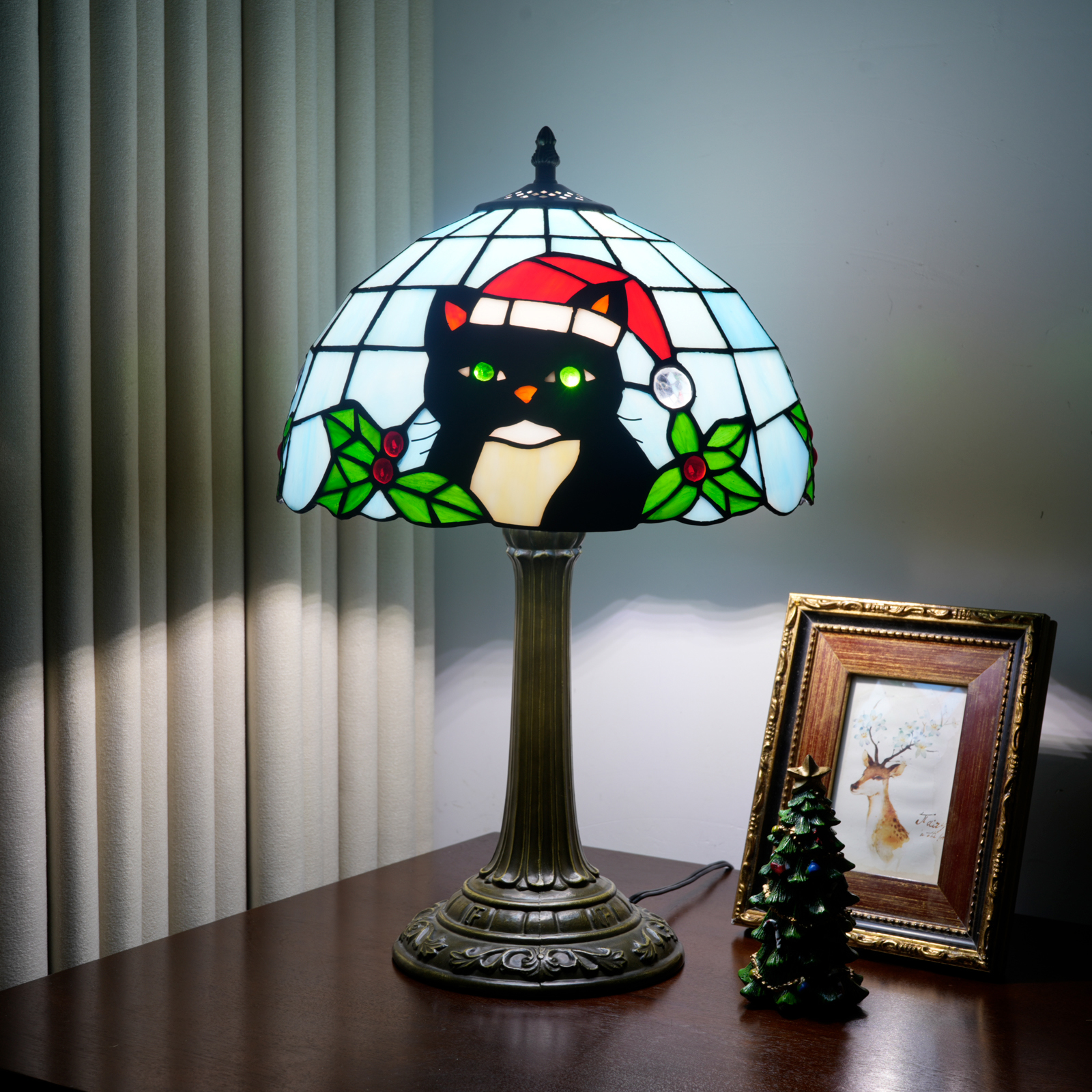









The Ultimate Guide to Night Lights: Benefits, Selection, and Safe Usestained galss lamp
November 7, 2026
What Is a Night Light and Why Does It Matter?
A night light is a small, low-intensity light source designed to illuminate areas like hallways, bedrooms, and bathrooms during nighttime hours. Unlike regular lamps, night lights are typically plugged into wall outlets or battery-operated, emitting a soft glow that is easy on the eyes and doesn't disrupt sleep patterns. They matter because they offer safety (preventing falls and injuries in the dark), comfort (especially for children afraid of the dark), and convenience (helping you find things without turning on harsh overhead lights).
Key Benefits of Using a Night Light
Night lights are more than just a source of illumination; they provide numerous benefits for people of all ages. For children, a night light can ease bedtime anxiety and promote a sense of security, helping them sleep better. For adults, especially the elderly, night lights reduce the risk of trips and falls during midnight bathroom visits. They also help caregivers check on infants or sick family members without disturbing them with bright lights. Additionally, night lights can serve as a gentle guide during power outages or emergencies.
How to Choose the Right Night Light
Selecting the perfect night light involves considering several factors. Brightness is crucial; look for adjustable or low-lumen options (1-10 lumens) to avoid disrupting melatonin production. Color temperature matters too—warm colors (like amber or red) are better for sleep, while cool white or blue light can interfere with circadian rhythms. Features such as motion sensors, dusk-to-dawn sensors, or timers add convenience and energy efficiency. For children's rooms, choose durable, cool-to-touch designs and avoid small parts that could be choking hazards. Placement is also key: plug-in models should be easily accessible, while battery-operated ones offer flexibility.
Safety Considerations and Common Mistakes
While night lights are generally safe, improper use can pose risks. Avoid overloading outlets and never use night lights with damaged cords. Keep night lights away from flammable materials like curtains or bedding, as some models can heat up. In children's rooms, ensure the night light is securely plugged in and out of reach. Another common mistake is using a night light that is too bright—this can disrupt sleep and even affect eye development in infants. Always follow the manufacturer's instructions and choose reputable brands with safety certifications.
Night Lights for Different Needs
Different situations call for different types of night lights. For nurseries, a dim, warm-toned plug-in light with a sensor is ideal. For hallways and stairs, motion-activated night lights provide on-demand illumination and save energy. For travel, portable battery-operated or USB-rechargeable night lights are convenient. For elderly care, consider night lights with a soft glow and easy-to-reach switches. There are also smart night lights that integrate with home automation systems, allowing you to control brightness and color via smartphone apps.
Common Questions About Night Lights
Do night lights affect sleep quality?Yes, if they are too bright or emit blue light. Opt for dim, warm-colored night lights (under 10 lumens) to minimize sleep disruption.
Are night lights safe for babies?Generally, yes, but choose models that are cool to the touch, have no small parts, and are placed out of reach. Avoid using night lights with cords in cribs.
Can night lights help with fear of the dark?Absolutely. A soft night light can provide comfort and security for children and adults alike, helping them feel relaxed at bedtime.
How many night lights should I use?Use as many as needed for safety and comfort, but avoid over-illuminating rooms. Typically, one per hallway or bedroom is sufficient.
Are LED night lights energy-efficient?Yes, LED night lights consume very little electricity and last for years, making them a cost-effective and eco-friendly choice.