




Vintage Home Decor: Timeless Charm for Modern Livingbedroom lamp
October 30, 2026
Why Vintage Home Decor?
Vintage home decor is more than a trend; it's a way to bring history, character, and sustainability into your home. Unlike mass-produced items, vintage pieces have a story to tell. They add depth and uniqueness to any space, making it feel curated rather than cookie-cutter. Moreover, choosing vintage is an eco-friendly choice, reducing demand for new manufacturing and giving old items a second life.
Sourcing Vintage Treasures
Finding the perfect vintage piece requires patience and a keen eye. Start by exploring local flea markets, estate sales, thrift stores, and online platforms like Etsy, eBay, and Facebook Marketplace. Estate sales are often goldmines for high-quality furniture and decor. When shopping online, pay attention to dimensions, condition reports, and seller ratings. Don't be afraid to ask questions or request additional photos. Building relationships with local dealers can also give you access to hidden gems before they hit the market.
Identifying Quality and Authenticity
Not all vintage is created equal. To ensure you're investing in quality, examine the craftsmanship, materials, and joinery. Solid wood furniture, dovetail joints, and hand-finished details are signs of durability and skill. Check for maker's marks or signatures that can indicate authenticity and value. For textiles, look for natural fibers like wool, linen, or silk. When in doubt, consult reference books or online forums dedicated to specific eras and styles. Remember, condition matters: minor wear adds character, but structural damage may be costly to repair.
Blending Vintage with Modern
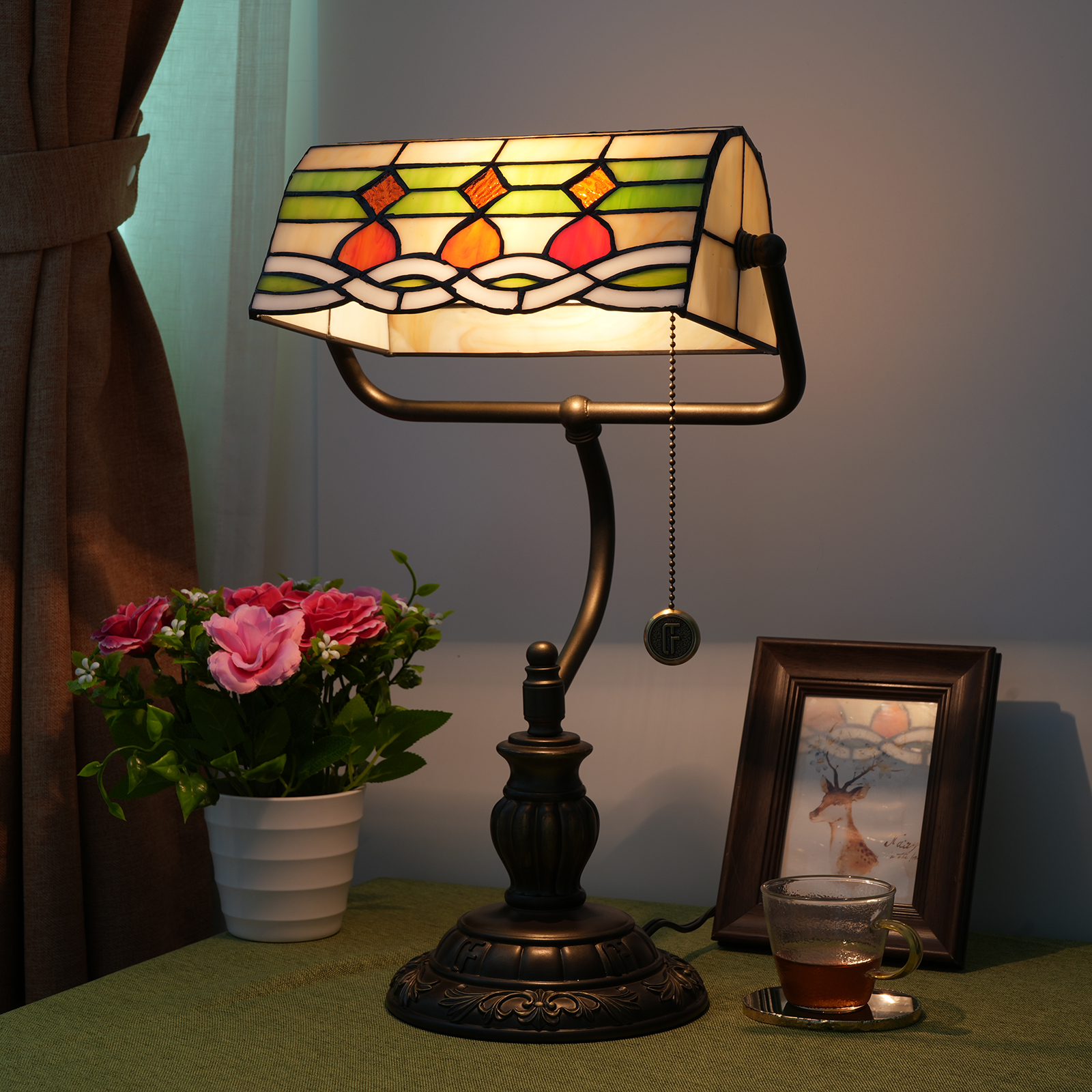
The key to successful vintage decor is balance. Mixing eras and styles creates a collected, eclectic look. To avoid a cluttered feel, pair vintage pieces with modern elements and keep the overall palette cohesive. For example, a mid-century modern sofa can anchor a room while a vintage Persian rug adds warmth. Use vintage accents like framed art, ceramics, or lighting to add personality without overwhelming the space. Edit your collection regularly and display only what you love.
Caring for Vintage Pieces
Proper care extends the life of your vintage finds. For wood furniture, avoid direct sunlight and use a gentle cleaner; regular dusting and occasional polishing will maintain its luster. Textiles should be cleaned according to their fiber content, and delicate items may require professional care. Store seasonal pieces in a climate-controlled environment to prevent damage. For metals, avoid abrasive cleaners that can remove patina. Always test cleaning methods on a small, inconspicuous area first.
Common Mistakes to Avoid
Even seasoned collectors can make mistakes. Avoid buying on impulse without measuring your space or considering how a piece will fit with your existing decor. Don't overlook condition issues like water damage, pest infestations, or structural instability. And remember, vintage doesn't have to mean expensive: set a budget and stick to it. Finally, don't try to make vintage pieces look brand new; their imperfections are part of their charm.
Frequently Asked Questions
How can I tell if a piece is truly vintage?
Look for signs of age such as patina, wear patterns, and construction techniques. Maker's marks, labels, and dated documents can also help. Research the era's typical materials and methods, and consult experts if unsure.
Where should I start if I'm new to vintage decor?
Begin with small, affordable items like vases, frames, or books. Visit local flea markets and thrift stores to get a feel for what you like. As you gain confidence, you can invest in larger pieces.
How do I mix vintage and modern without it looking chaotic?
Create a cohesive color palette and use vintage pieces as accents rather than filling the entire room. Balance visual weight and keep the space uncluttered. A good rule of thumb is to mix one or two vintage statement pieces with modern basics.
Is vintage home decor eco-friendly?
Yes, reusing existing furniture and decor reduces waste and demand for new resources. It's a sustainable choice that also supports local businesses and artisans.
How can I prevent vintage furniture from deteriorating?
Keep pieces away from direct sunlight and extreme temperatures. Clean gently and regularly, and address any repairs promptly. For valuable items, consider professional restoration.