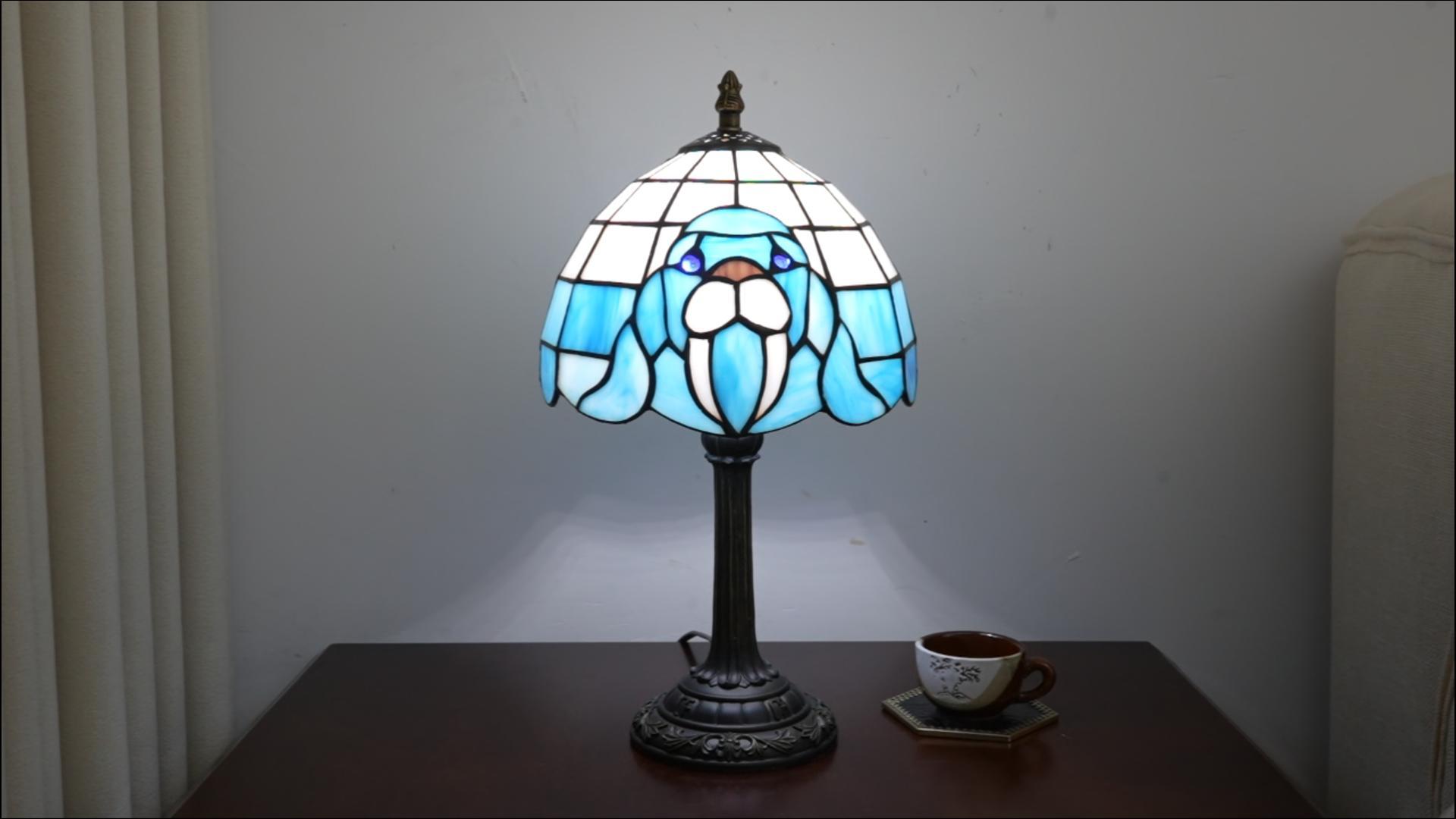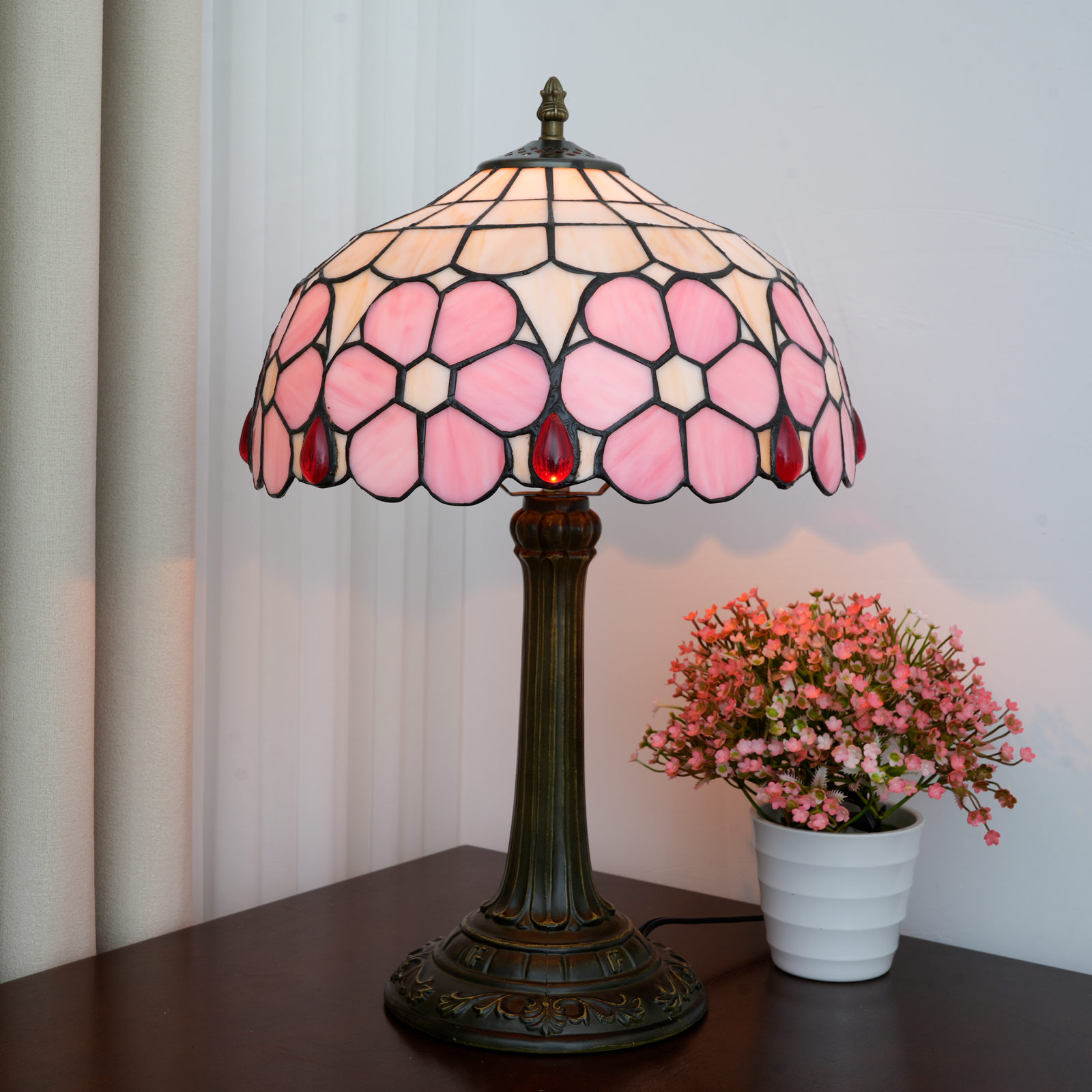





The Timeless Allure of Antique Decor: A Guide to Incorporating History into Your Homenight light
October 30, 2026
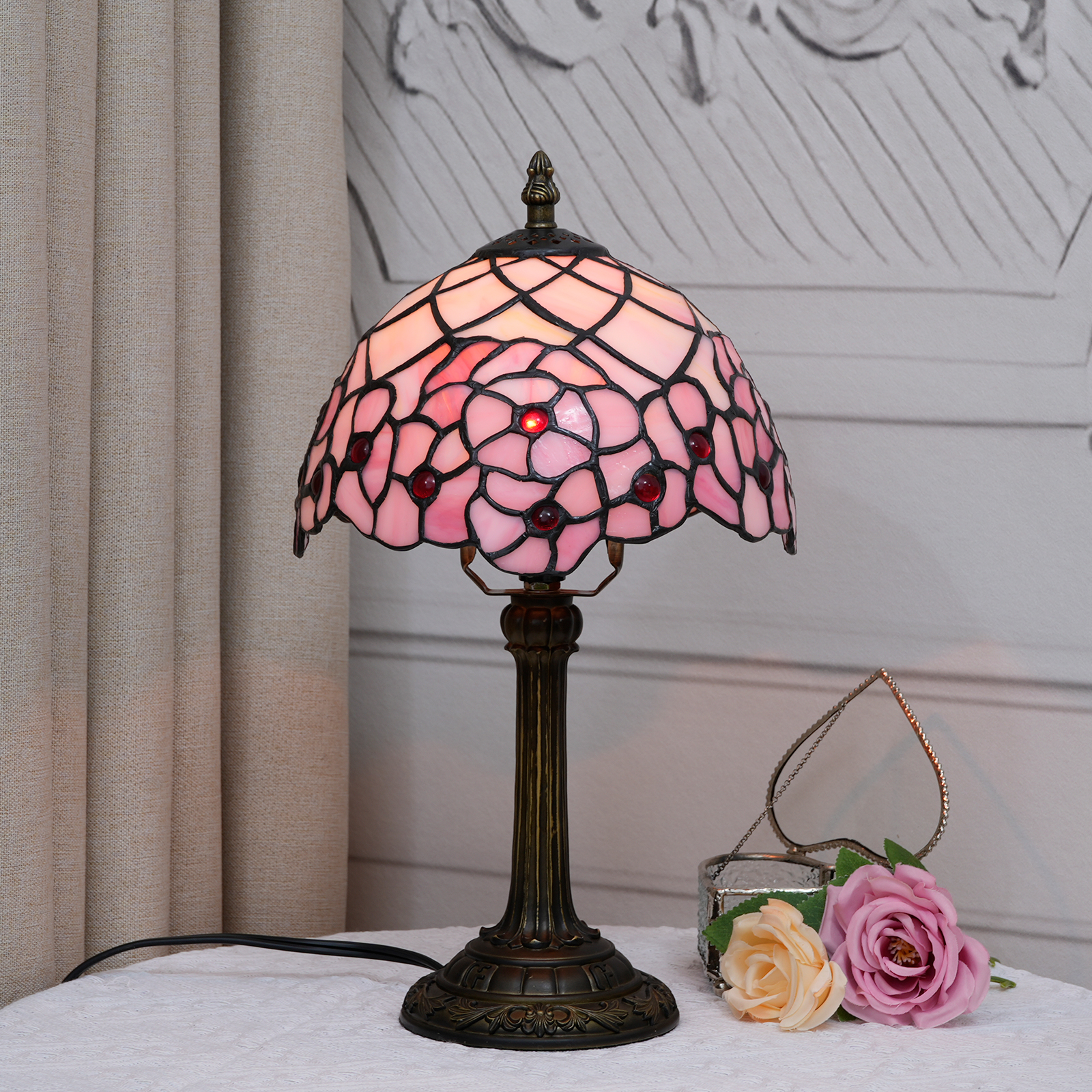
Why Antique Decor Never Goes Out of Style
Antique decor possesses an undeniable charm that modern mass-produced furniture often lacks. Each piece carries a story, a patina developed over decades, and a level of craftsmanship that is increasingly rare. Incorporating antiques into your home isn't just about aesthetics—it's about preserving history and adding depth to your interior design. Antiques are sustainable, reducing the demand for new materials, and they often appreciate in value, making them a smart investment. Moreover, they serve as conversation starters, infusing your space with personality and warmth.
How to Identify Quality Antique Decor
Not all old items are antiques; true antiques are at least 100 years old. When shopping, look for signs of authenticity: dovetail joints in drawers, hand-forged nails, and patina that cannot be easily replicated. Research the maker or period, and don't hesitate to ask for provenance. Reputable dealers provide documentation. Also, consider the condition—while some wear is expected, structural integrity is key. Inspect for repairs that might affect value, and always check for authenticity before making a purchase.
Integrating Antiques with Modern Interiors
The key to mixing antiques with contemporary decor is balance. A single statement piece, like a Victorian chest or a mid-century lamp, can anchor a room without overwhelming it. Mix periods and styles to create an eclectic look. For example, pair a rustic farmhouse table with sleek modern chairs. Use color to tie elements together—repeat a hue from the antique in your modern textiles. Lighting is crucial; highlight antiques with directed spots or soft ambient light to accentuate their details. Avoid clustering too many antiques in one area; instead, let each piece breathe.
Caring for Your Antique Collection
Proper care ensures your antiques last for generations. Keep them away from direct sunlight and extreme temperatures. Use pH-neutral cleaners and avoid harsh chemicals. For wood, regular dusting with a soft cloth and occasional waxing with a natural product is sufficient. Upholstered pieces should be vacuumed gently and professionally cleaned when needed. Handle delicate items with gloves, and consider professional restoration for significant damages. Document your collection with photos and receipts for insurance purposes.
Where to Find Authentic Antique Decor
From flea markets to high-end galleries, the hunt is part of the thrill. Estate sales often yield hidden gems, while antique fairs offer a curated selection. Online platforms like 1stdibs and eBay can be convenient but require careful vetting. Build relationships with dealers—they can alert you to new acquisitions. Auctions are great for rare pieces but set a budget and inspect beforehand. Always ask about return policies, and if buying online, request additional photos and condition reports.
Common Pitfalls to Avoid
Beginners often make mistakes like overpaying for reproductions or buying pieces that don't fit their space. Measure before you buy—antiques can be larger than expected. Avoid impulse purchases; research the period and style. Be wary of 'bargains' that may be heavily restored or altered, which can diminish value. Also, consider the practicalities: antique furniture may not meet modern safety standards, so secure tall pieces to walls.
Frequently Asked Questions
What qualifies as antique decor?
Generally, an item must be at least 100 years old to be considered an antique. Vintage items are typically 20-99 years old. However, the definition can vary, and some dealers use 50 years as a benchmark.
How can I tell if an antique is authentic?
Look for signs of age such as patina, hand-crafted details, and wear patterns. Research the maker's marks, joinery techniques, and materials. Consult experts or appraisers for high-value pieces, and always request provenance.
Can I use antique furniture daily?
Yes, with care. Antiques are meant to be used and enjoyed. However, avoid placing them in high-traffic areas or exposing them to harsh conditions. Regular maintenance and gentle handling will preserve them.
How do I mix antiques with modern decor?
Balance is key. Use antiques as focal points and mix with contemporary pieces for contrast. Harmonize colors and textures, and don't be afraid to juxtapose styles for an eclectic vibe. Keep the overall look cohesive by repeating materials or colors.
What is the best way to clean antique wood?
Dust regularly with a soft, dry cloth. For deeper cleaning, use a slightly damp cloth with mild soap, then dry immediately. Avoid silicone-based polishes and harsh chemicals. Occasionally apply a natural wax to protect and enhance the wood's patina.