




The Ultimate Guide to Stained Glass Table Lamps: Beauty, Craftsmanship, and Buying Tipsstained galss lamp
November 6, 2026

What Is a Stained Glass Table Lamp?
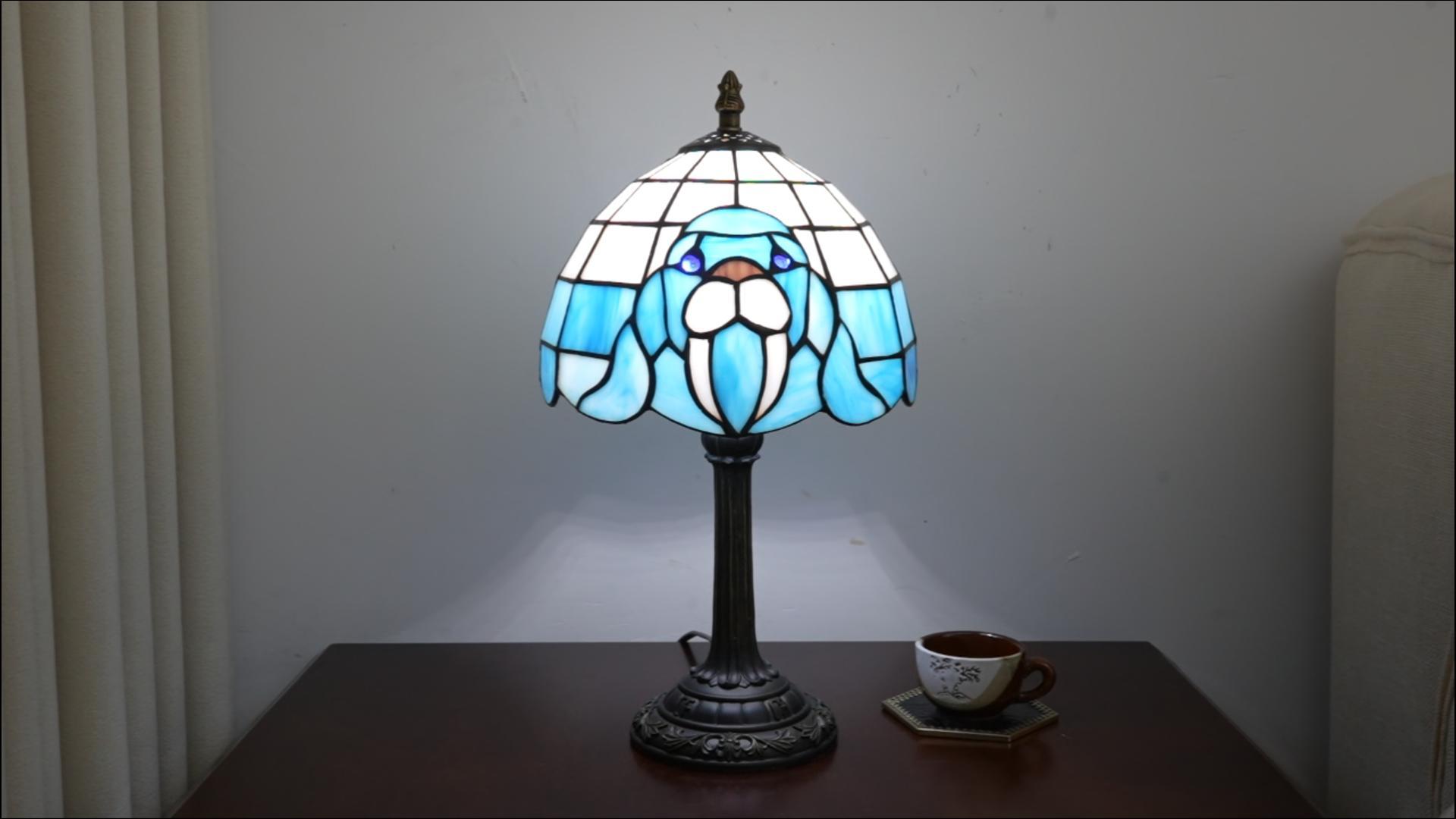
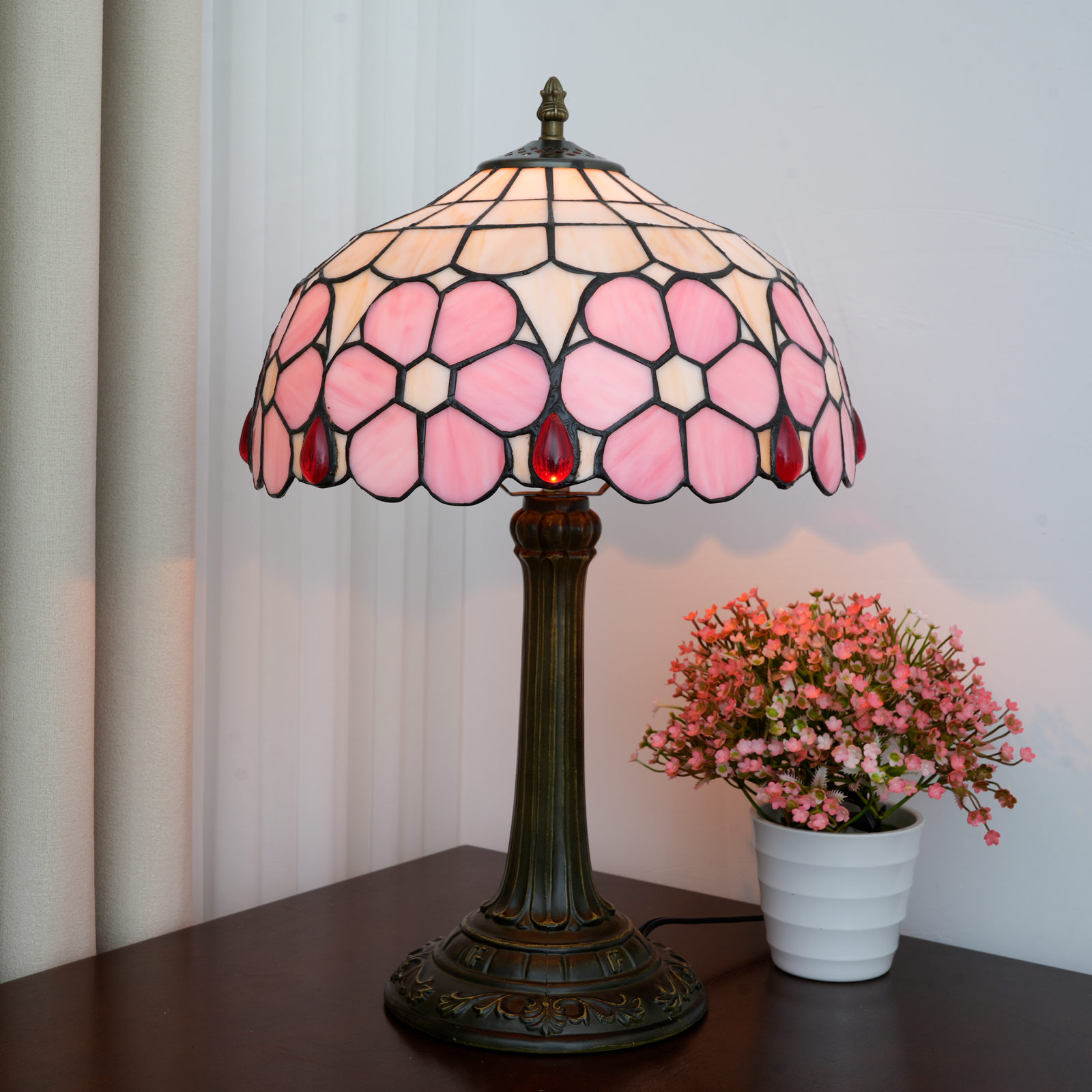
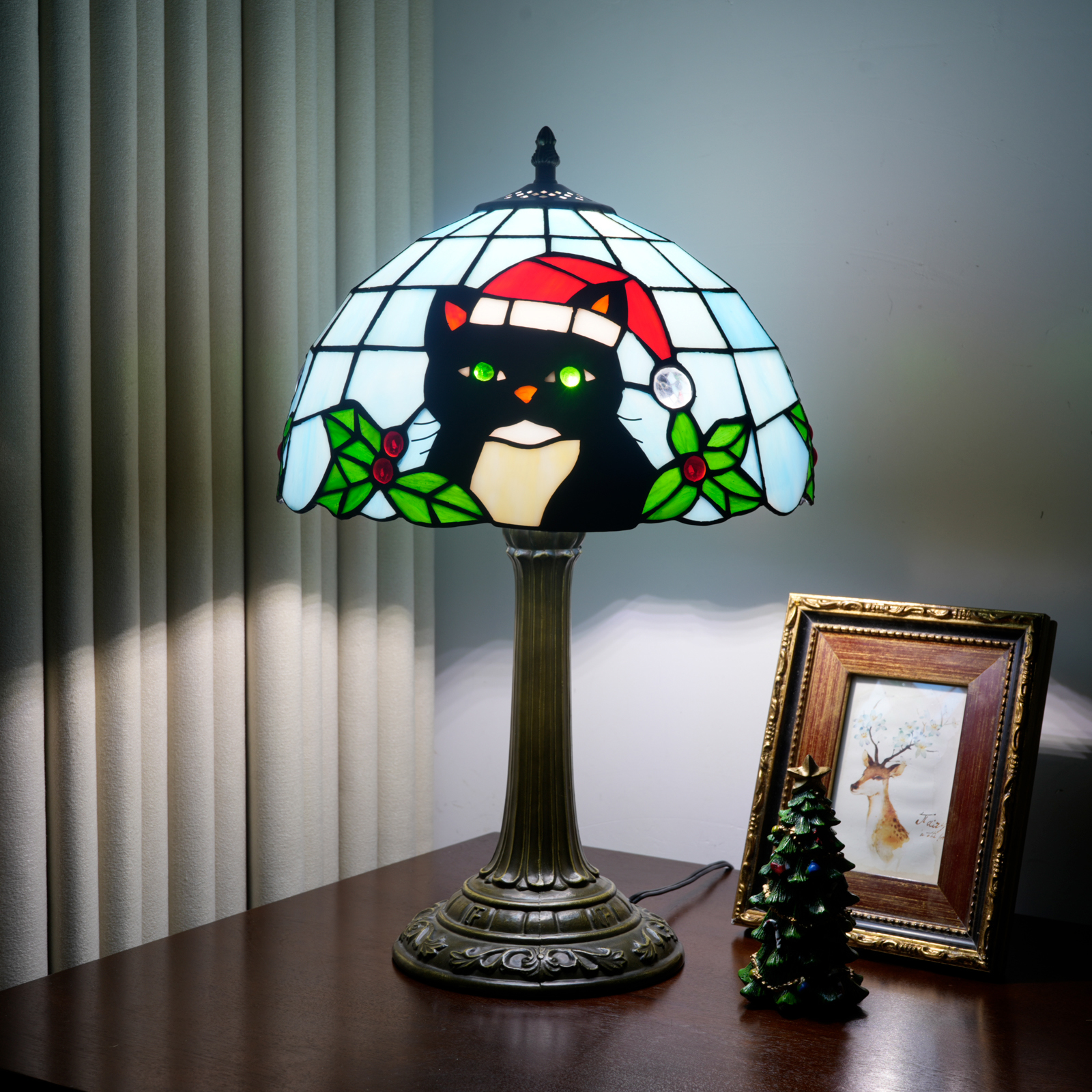
A stained glass table lamp is a decorative lighting fixture that features a shade made from pieces of colored glass joined together with metal framework. These lamps are often associated with the Arts and Crafts movement and are prized for their artistic beauty and warm, ambient light. Unlike mass-produced lamps, each stained glass lamp is a unique piece of craftsmanship, often inspired by nature and geometric patterns.
The History and Craftsmanship Behind Stained Glass Lamps
The art of stained glass dates back to medieval cathedrals, but its application in table lamps rose to prominence in the late 19th and early 20th centuries, most notably through the work of Louis Comfort Tiffany. Tiffany-style lamps became synonymous with luxury and artistry, using copper foil and lead came techniques to create intricate designs. Today, skilled artisans continue to produce these lamps using traditional methods, ensuring that each piece is a functional work of art.
How to Choose the Perfect Stained Glass Table Lamp
When selecting a stained glass table lamp, consider the following factors to ensure you find one that suits your style and needs:
1. Size and Proportion: The lamp should be proportionate to the table and the room. A lamp that is too large can overwhelm a small space, while a too-small lamp may get lost. Measure your space and consider the lamp's height and shade diameter.
2. Color and Pattern: Stained glass lamps come in a myriad of colors and patterns. Choose one that complements your existing decor. Warm colors like amber and red create a cozy atmosphere, while cool colors like blue and green add a calming effect. Geometric patterns suit modern interiors, while floral designs are perfect for traditional settings.
3. Quality of Craftsmanship: Examine the lamp for even glass cutting, tight solder lines, and a sturdy base. Handcrafted lamps may have slight irregularities, which are a hallmark of authenticity. Avoid lamps with loose pieces or excessive gaps.
4. Type of Glass: Art glass, such as opalescent or iridescent glass, offers varying levels of light diffusion and visual interest. Opalescent glass provides a soft, glowing light, while clear stained glass creates sharper patterns.
5. Light Source: Consider the type of bulb the lamp uses. Many stained glass lamps are compatible with LED bulbs, which are energy-efficient and produce less heat, preserving the glass and solder over time.
Incorporating Stained Glass Lamps into Your Decor
Stained glass table lamps are versatile and can be placed in various rooms. In a living room, they serve as a focal point on an end table. In a bedroom, they provide a soft, romantic glow. They also work well in home offices, adding a touch of inspiration. To maximize their impact, pair them with warm-toned bulbs and place them near other artisanal decor.
Caring for Your Stained Glass Table Lamp
Proper care ensures your lamp remains beautiful for years. Dust the shade regularly with a soft, dry cloth. Avoid using harsh chemicals or water, which can damage the glass and solder. For deeper cleaning, use a soft brush to remove debris from crevices. Always unplug the lamp before cleaning. If the lamp has a metal base, polish it gently to maintain its shine.
Common Questions About Stained Glass Table Lamps
Are stained glass table lamps suitable for reading?
Stained glass lamps are primarily decorative and provide ambient light. For reading, you may need a additional task lamp with a focused beam. However, some lamps with a three-way switch can offer brighter light for occasional reading.
Can I use a stained glass lamp as a primary light source?
These lamps are best used as accent lighting. For primary illumination, rely on overhead fixtures or floor lamps. Stained glass lamps create mood and atmosphere rather than bright, functional light.
How do I know if a stained glass lamp is authentic?
Authenticity can be tricky. Look for signed pieces or labels from known makers like Tiffany Studios. Handcrafted lamps often have slight variations in glass and solder lines. Research the maker and ask for provenance if buying from a dealer.
Are stained glass lamps energy-efficient?
Yes, if you use LED bulbs. LEDs consume less energy and produce less heat, which is gentler on the stained glass and solder. Avoid incandescent bulbs that generate excessive heat.
Can I repair a damaged stained glass lamp myself?
Minor repairs, such as re-soldering a loose piece, can be done by experienced DIYers. However, for valuable or antique lamps, consult a professional stained glass restorer to avoid further damage.