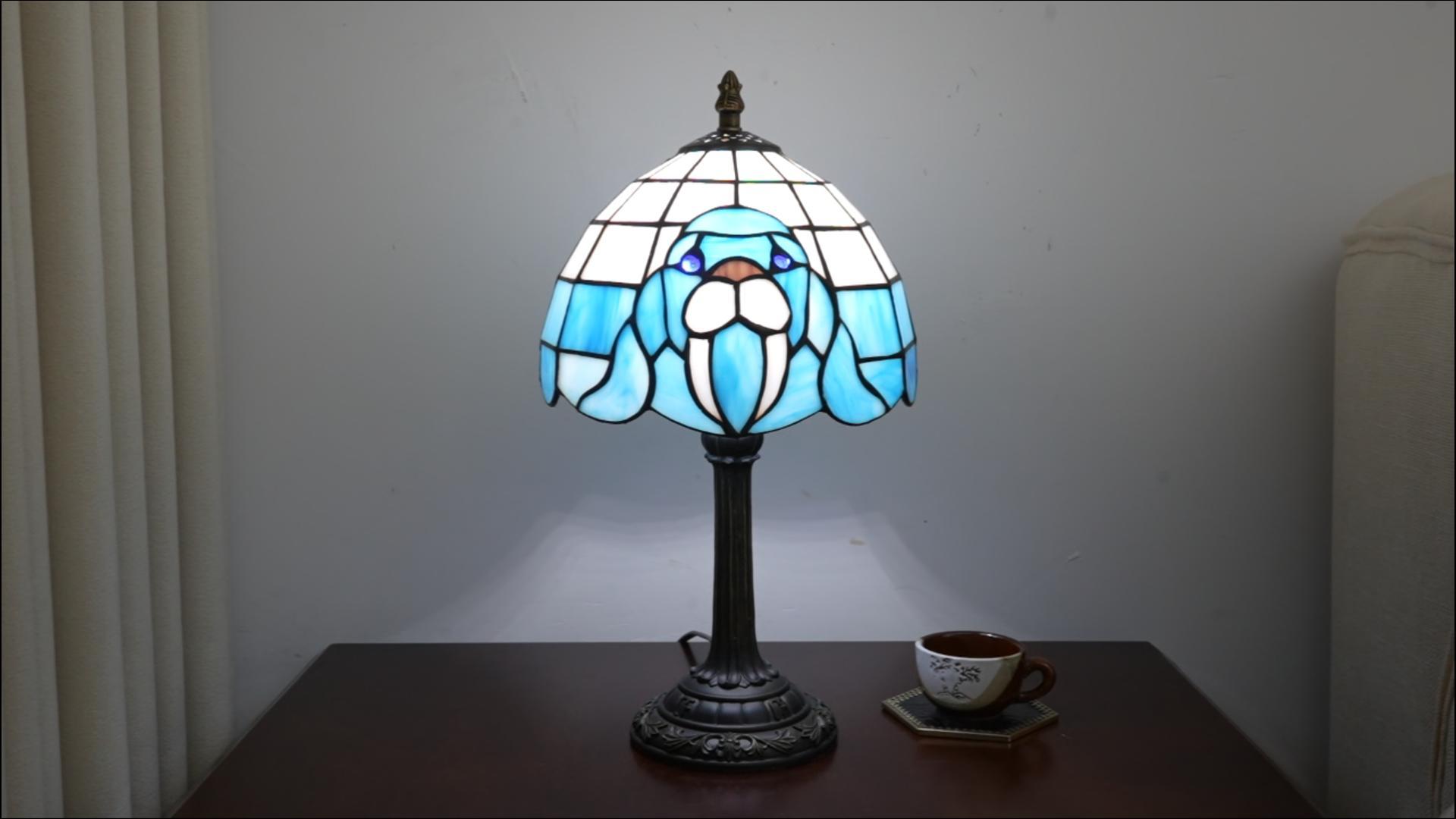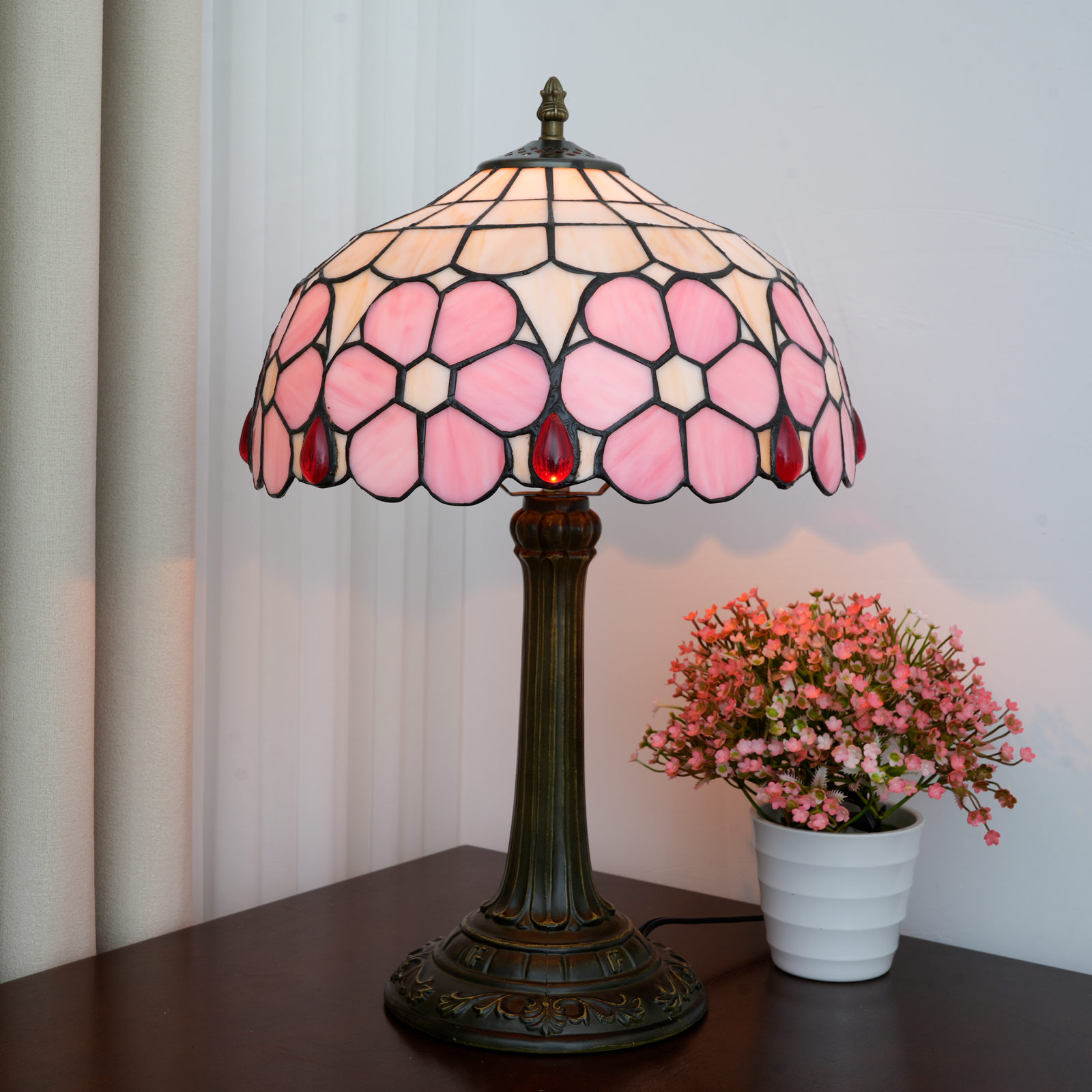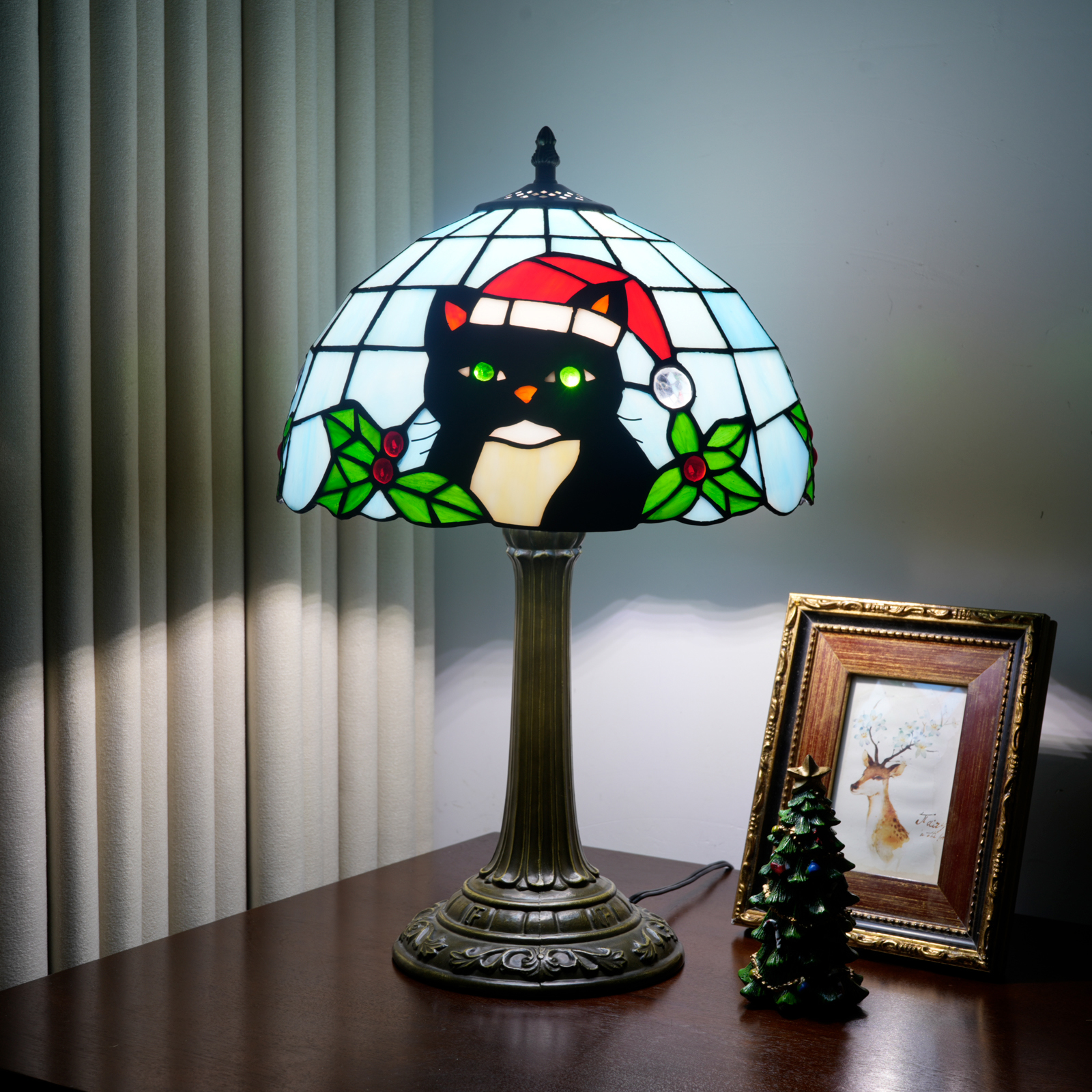





The Timeless Allure of the Tiffany Lamp: A Guide to History, Design, and Caretable light
November 6, 2026
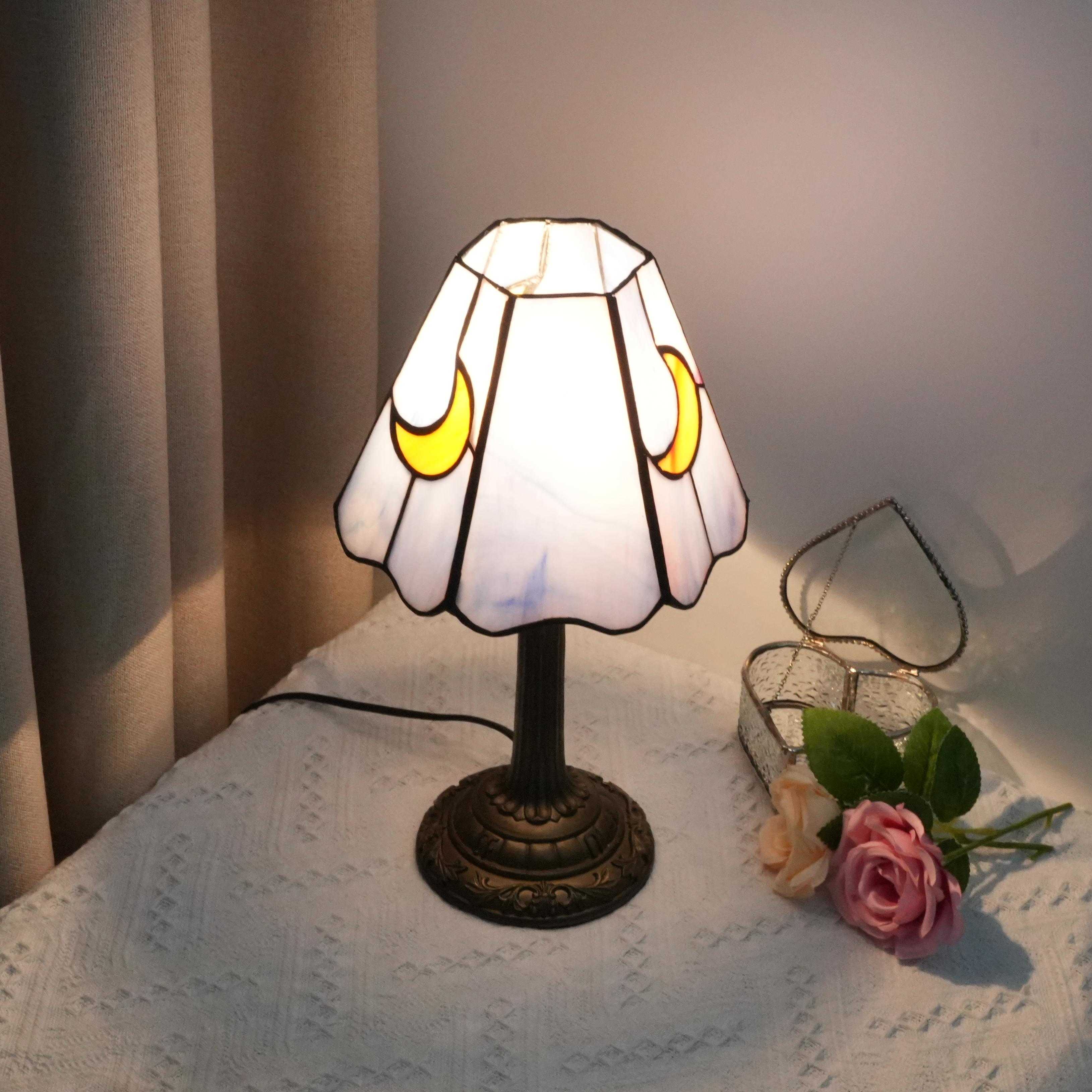
The Origins of the Tiffany Lamp
The Tiffany lamp is a celebrated symbol of American art and design, emerging from the creative genius of Louis Comfort Tiffany in the late 19th century. Tiffany, a trained painter and glassmaker, sought to bring the beauty of stained glass into everyday life. His experiments with opalescent glass—a type of glass with a milky, iridescent quality—revolutionized the art of lighting. In 1895, he established Tiffany Studios, and by the early 1900s, his lamps had become must-have items for fashionable homes. The Tiffany lamp was not merely functional; it was a statement of taste and refinement, often featuring intricate nature-inspired motifs like dragonflies, wisteria, and lotus flowers. Today, original Tiffany lamps are prized antiques, with some fetching millions at auction.
Design Elements and Craftsmanship
What sets a Tiffany lamp apart is its meticulous craftsmanship. Each lamp is assembled from hundreds of individually cut pieces of glass, held together by copper foil—a technique Tiffany perfected. The glass itself is the star: opalescent, textured, and often variegated, it creates a warm, glowing light when illuminated. The bronze bases are equally important, often cast in organic shapes like tree trunks or roots, adding to the lamp's sculptural quality. Authentic Tiffany lamps bear the maker's mark, and the quality of the glass and solder joints can indicate authenticity. Collectors should note that Tiffany Studios produced lamps in several series, including the famous Dragonfly and Wisteria models, each with distinct characteristics.
How to Identify an Authentic Tiffany Lamp
Given the popularity of Tiffany lamps, reproductions abound. To identify an authentic piece, start by examining the base: original bases are heavy and often marked with "Tiffany Studios New York" and a model number. The glass should have a three-dimensional quality—cheap copies use flat, printed glass. Look at the solder lines; on authentic lamps, they are smooth and evenly applied. The shade should sit perfectly on the base, and the overall construction should feel solid. Consulting a reputable appraiser or checking with auction houses like Sotheby's can help verify authenticity. Remember, provenance—the history of ownership—adds significant value.
Caring for Your Tiffany Lamp
Proper care preserves the beauty and value of a Tiffany lamp. Dust the shade regularly with a soft, dry cloth; avoid harsh chemicals that can damage the glass or patina. For deeper cleaning, use a mild soap solution and distilled water, but never submerge the shade. The bronze base can be wiped with a damp cloth and dried immediately to prevent tarnish. LED bulbs are recommended because they emit less heat, which can dry out the lead solder over time. Display your lamp away from direct sunlight to prevent fading, and handle it with care—the glass is fragile. If you need to repair a lamp, seek a professional who specializes in Tiffany restoration.
Collecting Tiffany Lamps: Tips for Beginners
Collecting Tiffany lamps can be a rewarding but expensive hobby. Start by researching the market: attend auctions, visit museums with Tiffany collections, and join collector groups. Set a budget and prioritize condition and rarity. Common models like the Lotus or Acorn are more accessible, while rare pieces like the Peony can be exceptionally valuable. Be wary of "bargains"—authentic Tiffany lamps rarely come cheap. Consider purchasing from established dealers who offer certificates of authenticity. Lastly, insure your collection and store it securely.
Frequently Asked Questions
How can I tell if a Tiffany lamp is real?
Look for the maker's mark on the base, examine the glass for depth and texture, and check the solder joints for quality. When in doubt, consult an expert appraiser.
What is the price range for a Tiffany lamp?
Prices vary widely: common models may start around $2,000, while rare, museum-quality pieces can exceed $1 million. Condition, rarity, and provenance are key factors.
Can I use modern bulbs in a Tiffany lamp?
Yes, but LED bulbs are best because they produce less heat, which helps preserve the solder and glass. Avoid bulbs over 60 watts.
How do I clean a Tiffany lamp shade?
Use a soft, dry cloth for regular dusting. For stubborn dirt, gently wipe with a damp cloth and mild soap, then dry immediately. Never use abrasive cleaners.
Are Tiffany lamps a good investment?
Authentic Tiffany lamps have historically appreciated in value, but the market can be volatile. Buy for love, not just profit, and focus on quality pieces with good provenance.