




The Ultimate Guide to Side Table Lamps: Illuminating Your Space with Style and Functionnightstand lamp
November 7, 2026

Why a Side Table Lamp Is a Must-Have
A side table lamp is a versatile lighting fixture that serves both practical and decorative purposes. Placed on a side table next to a sofa, bed, or reading chair, it provides focused illumination for tasks like reading or relaxing while adding a touch of style to your space. Unlike overhead lighting, a side table lamp creates warm, ambient light that can make a room feel cozy and inviting. Whether you're curling up with a book or hosting guests, these lamps are indispensable for setting the right mood.
Choosing the Right Side Table Lamp
When selecting a side table lamp, consider the following factors to ensure it meets your needs and complements your decor:
Size and Proportion: The lamp should be proportionate to the table and the room. As a rule of thumb, the lamp's height (including the shade) should be at least 24 inches shorter than the table's height? Actually, a common guideline is that the bottom of the lampshade should be at eye level when seated, so you don't stare directly into the bulb. For a side table, a lamp that is 20-30 inches tall works well.
Style and Design: From modern minimalist to traditional, the style of the lamp should harmonize with your room's aesthetic. Consider the shape of the base and the material—ceramic, metal, glass, or wood—to tie the look together.
Lighting Needs: Determine the primary function. For reading, you'll want a lamp with a three-way switch or a higher wattage bulb (60-100 watts equivalent). For ambient lighting, a lower output with a warm color temperature (2700K-3000K) is ideal.
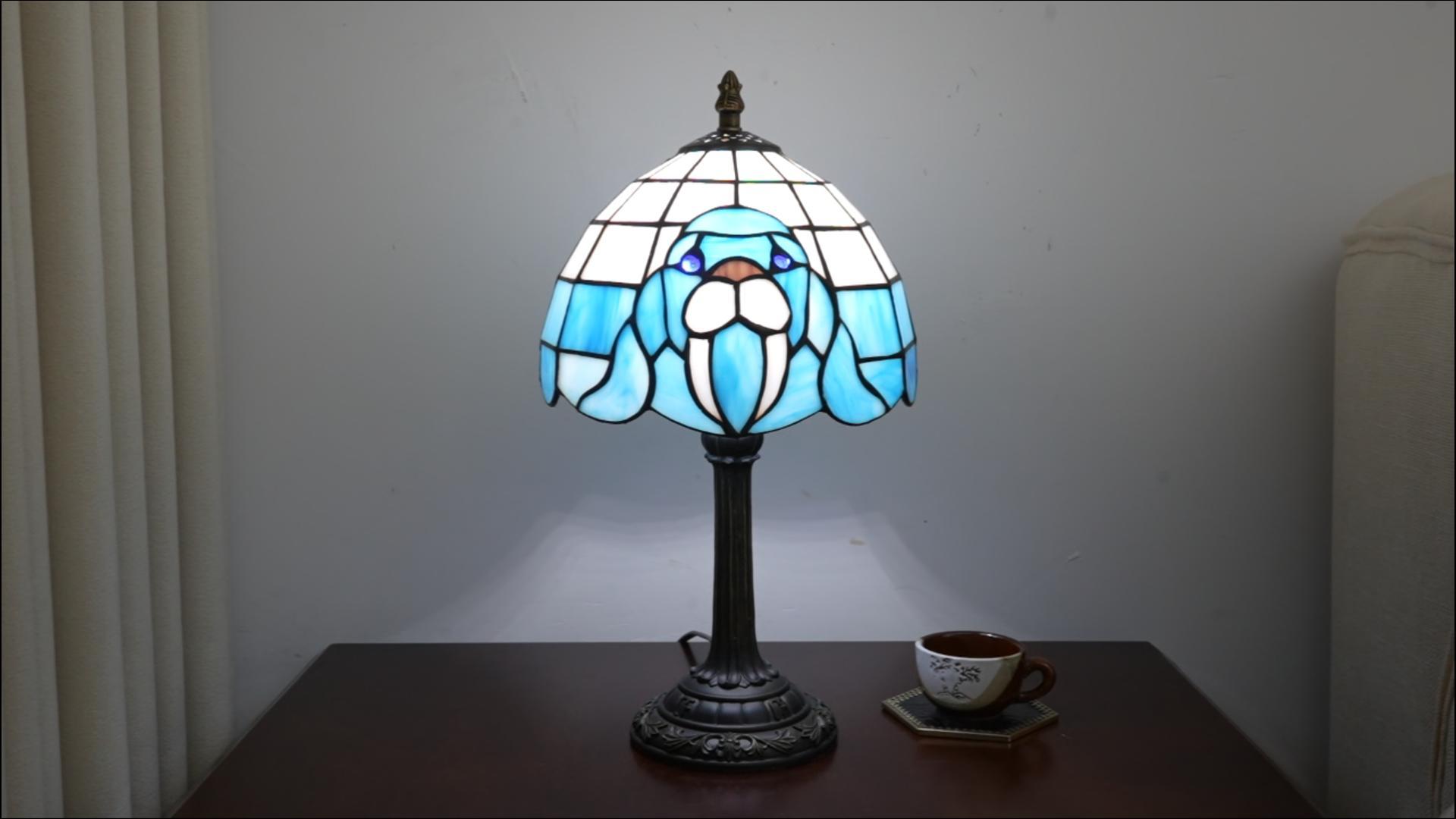
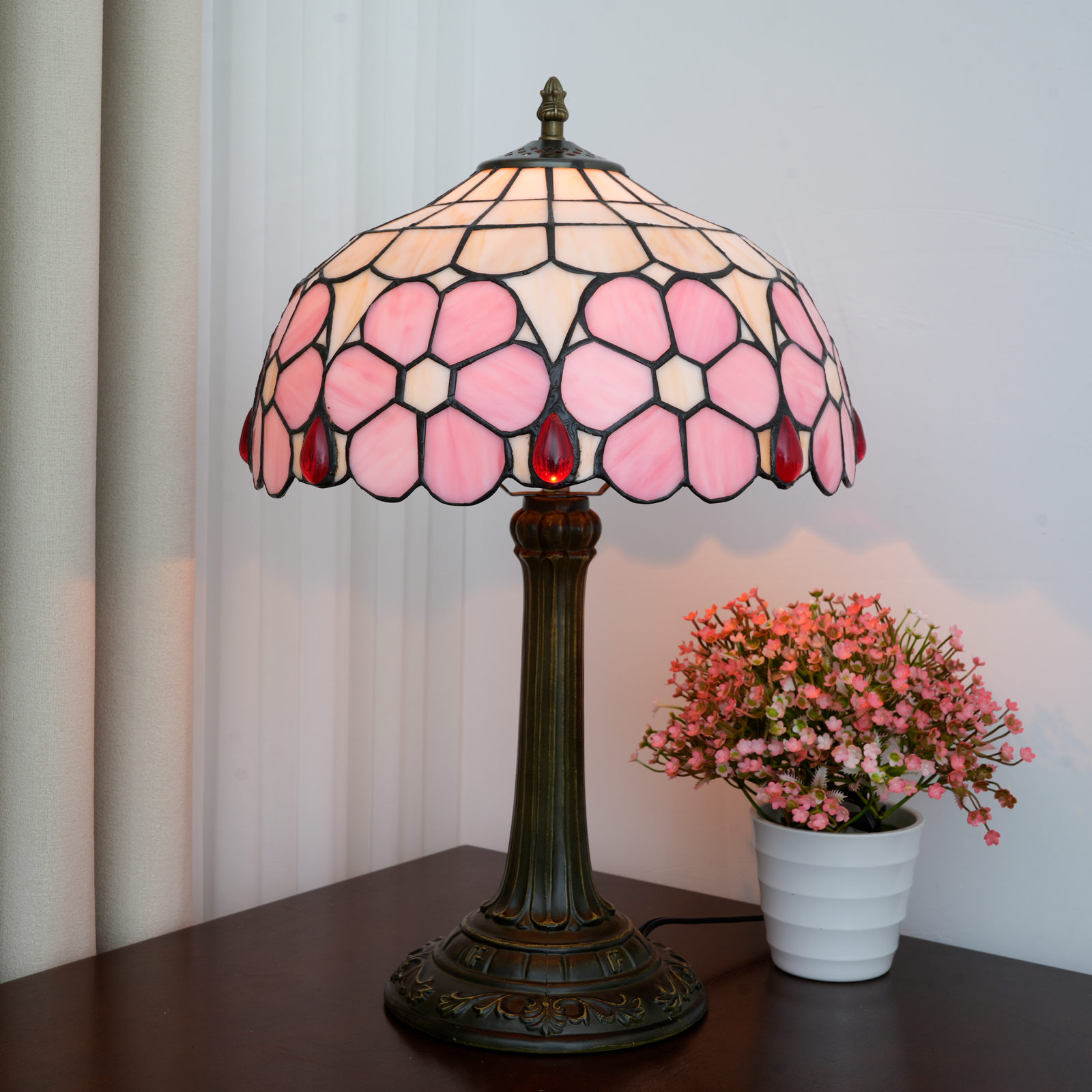
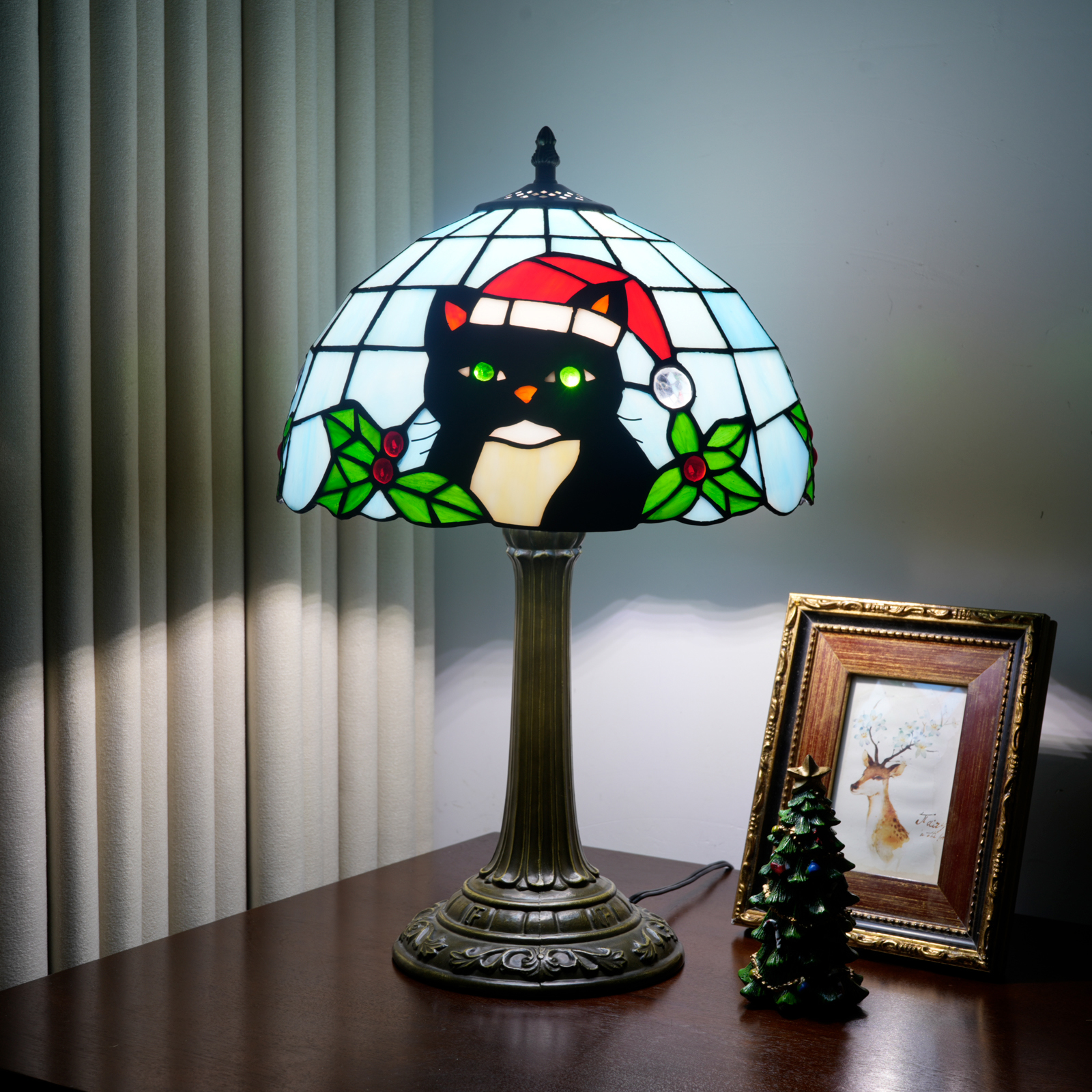
Shade Material: The shade affects the quality of light. Fabric shades diffuse light softly, while metal or glass shades create more directed or dramatic effects. Choose a shade that complements the lamp base and the room's color scheme.
Placement Tips for Side Table Lamps
Proper placement enhances both the lamp's functionality and the room's overall design. Here are some guidelines:
Living Room: Place a side table lamp at the end of a sofa or between two armchairs to create a focal point and provide light for conversation. Ensure the lamp is tall enough to cast light over seating areas.
Bedroom: On nightstands, side table lamps should be tall enough to provide reading light but not so tall that they overpower the space. Consider a lamp with an adjustable arm or a swing-arm design for flexibility.
Office or Study: Position the lamp on the side of your dominant hand to avoid shadows while writing or typing. An adjustable task lamp with a focused beam is ideal.
Balance and Symmetry: In pairs, side table lamps can create symmetry and balance, especially in bedrooms or living rooms with matching nightstands or end tables.
Styling with Side Table Lamps
A side table lamp is not just a light source—it's a styling opportunity. Here's how to make the most of it:
Layer with Other Decor: Combine the lamp with a small plant, a stack of books, or a decorative tray to create a vignette that feels curated and personal.
Mix and Match: Don't be afraid to use different lamps on either side of a bed or sofa for an eclectic look, as long as they share a common element like color or material.
Consider the Shade: The lampshade can be a statement piece. Try a patterned or colored shade to add a pop of personality, or keep it neutral for a timeless look.
Maintenance and Safety
To keep your side table lamp looking and working its best, follow these simple maintenance tips:
Cleaning: Dust the lamp base and shade regularly with a soft cloth. For fabric shades, use a lint roller or a vacuum with a brush attachment. Avoid using water or cleaning solutions that could damage the material.
Bulb Replacement: Always unplug the lamp before changing the bulb. Use the correct wattage to prevent overheating and fire hazards. Consider LED bulbs for energy efficiency and longevity.
Cord Management: Keep cords tidy and out of walkways to prevent tripping. Use cord clips or covers to conceal unsightly wires.
Stability: Ensure the lamp sits securely on the table, especially if you have children or pets. Avoid placing lamps on unstable surfaces or near edges.
Common Questions About Side Table Lamps
What is the ideal height for a side table lamp?
The ideal height depends on the table and its use. Generally, the bottom of the lampshade should be at or slightly below eye level when you are seated, to avoid glare. For a side table next to a sofa or chair, a lamp that is 20-30 inches tall is often suitable. Measure from the tabletop to your eye level when seated to determine the best height.
How do I choose the right shade for my side table lamp?
Consider the shade's size, shape, and material. The shade should be about two-thirds the height of the lamp base and wide enough to cover the bulb and harp. For a balanced look, the shade's width should be similar to the base's widest point. Fabric shades provide soft, diffused light, while metal or glass shades offer more directed illumination.
Can I use a side table lamp as the only light source in a room?
While a side table lamp can provide ambient light, it's usually not sufficient as the sole light source for a whole room. It works best as part of a layered lighting plan, combined with overhead lighting and other task or accent lights. However, in small spaces or for specific tasks, a bright side table lamp can be adequate.
How do I clean a fabric lampshade?
Start by dusting with a soft brush or vacuum with a brush attachment on low suction. For stains, use a mild detergent and water, but test on an inconspicuous area first. Avoid soaking the shade; instead, blot gently with a damp cloth. Let it air dry completely before reattaching.