




The Small Lamp: A Comprehensive Guide to Choosing, Using, and Maintaining Your Perfect Small Lampbedroom lamp
November 7, 2026

Why Choose a Small Lamp?
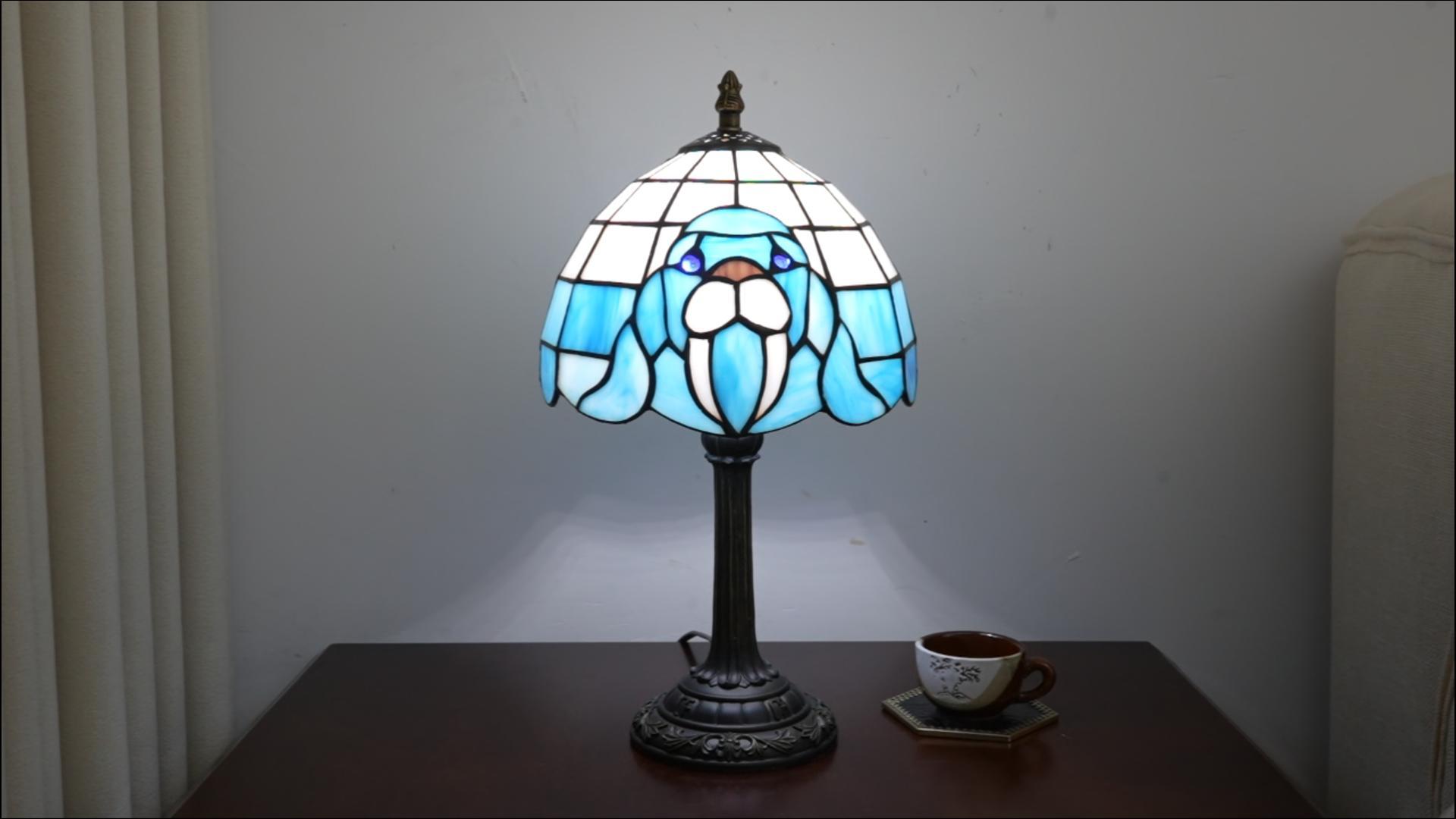
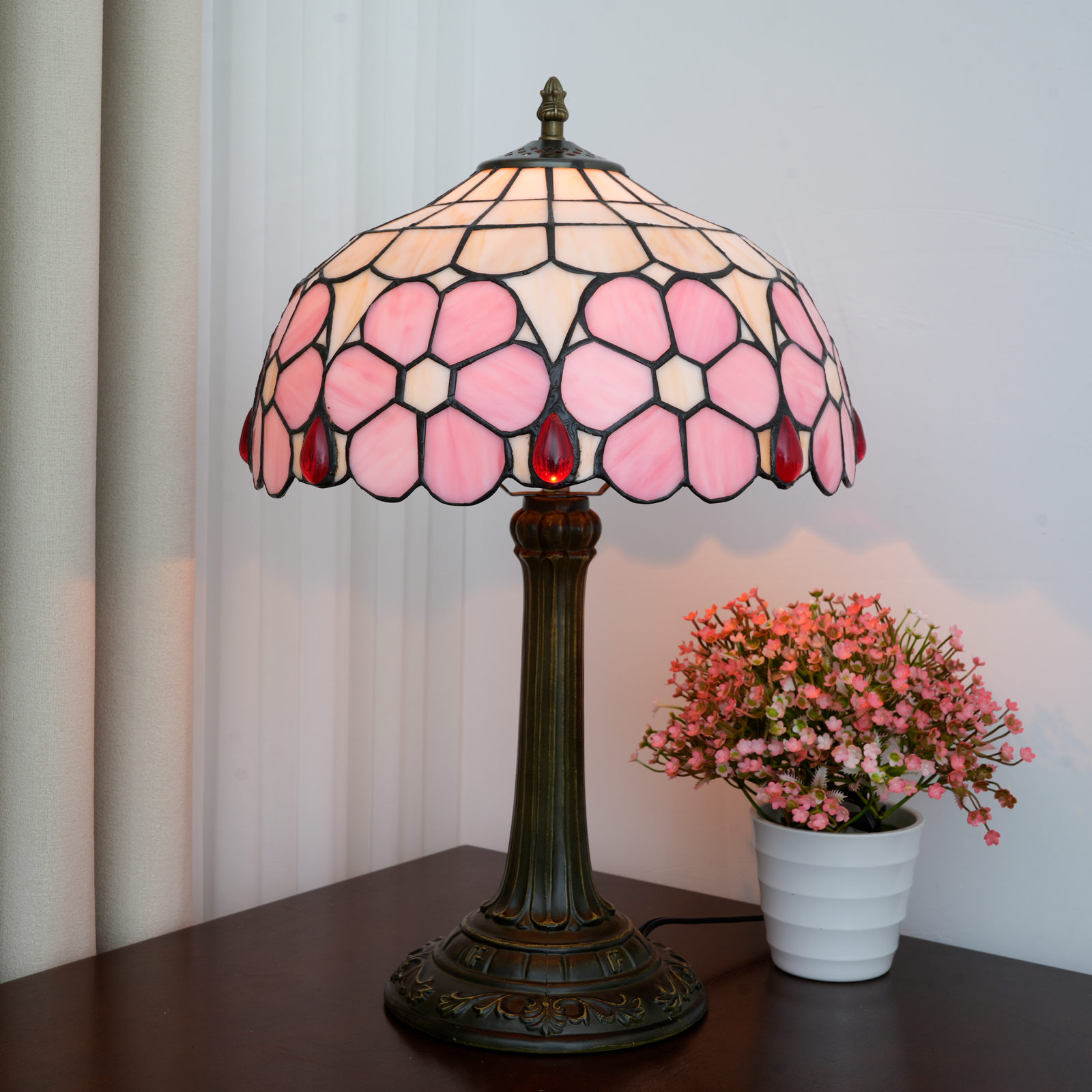
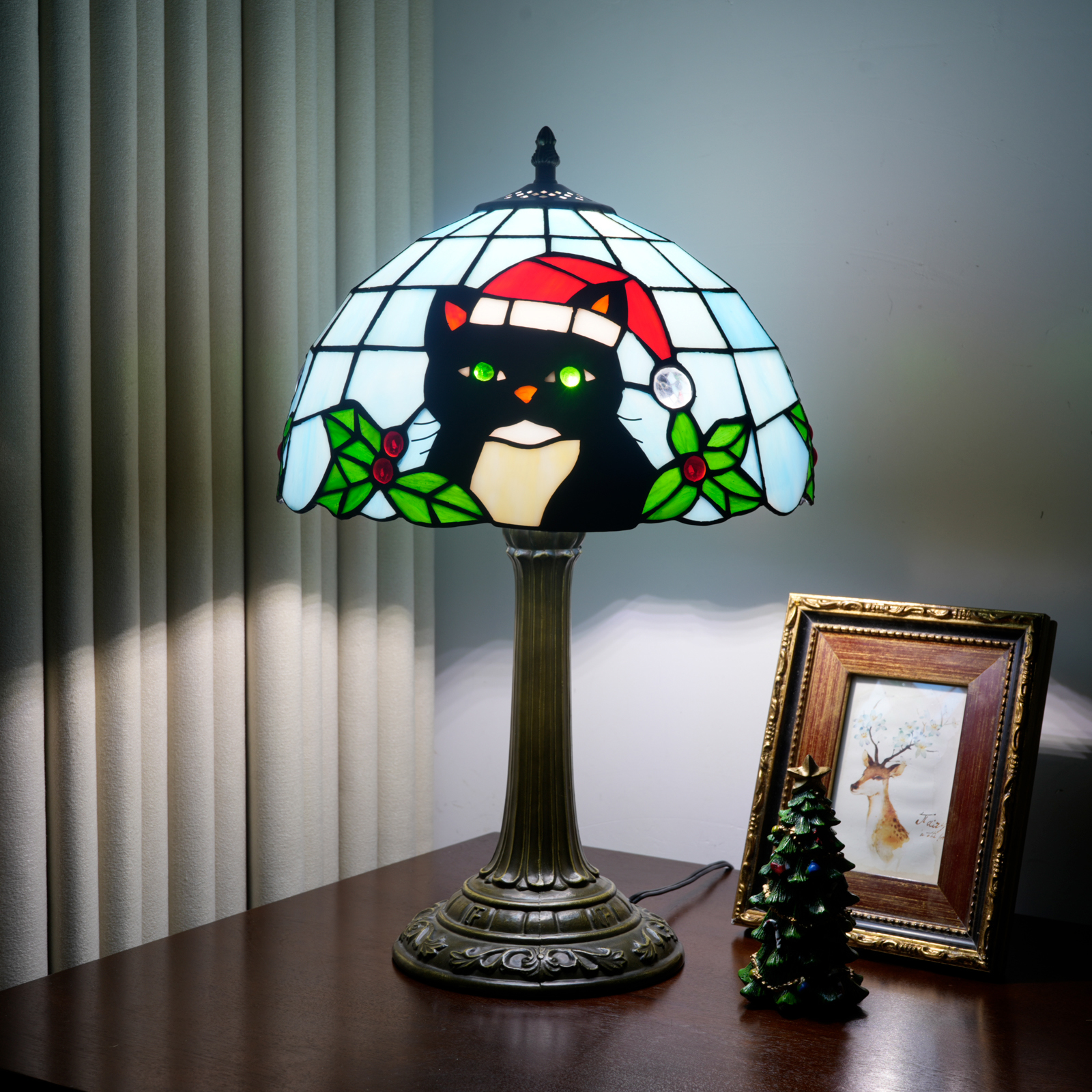
Small lamps are often overlooked in favor of larger, more statement-making light fixtures, but they offer unique advantages that make them indispensable in many settings. Small lamps provide focused illumination exactly where you need it, whether that's a bedside table, a cozy reading nook, or a home office desk. Their compact size allows them to fit into tight spaces without overwhelming the room, and they can be easily moved to adapt to changing needs. Moreover, small lamps are incredibly versatile in terms of design—they come in countless styles, from minimalist modern to vintage industrial, so you can find one that complements your decor. Energy efficiency is another key benefit; many small lamps use LED bulbs that consume minimal electricity while delivering bright, clear light. Finally, small lamps can serve as decorative accents even when turned off, adding a touch of personality to your space.
Types of Small Lamps
When shopping for a small lamp, it's helpful to understand the different types available. Desk lamps are designed for task lighting and often feature adjustable arms or heads to direct light precisely. They're ideal for workspaces, studying, or hobbies. Table lamps are more decorative and typically placed on side tables or nightstands; they provide ambient lighting and can be a focal point in a room. Bedside lamps are a subset of table lamps, usually with a smaller footprint and a shade that diffuses light softly for a relaxing atmosphere. Clip-on lamps are highly portable and can be attached to books, headboards, or shelves—perfect for reading in bed or in tight quarters. Rechargeable small lamps are battery-operated and cordless, offering flexibility for outdoor use or areas without outlets. Each type has its own strengths, so consider your primary use before deciding.
Key Factors to Consider When Buying a Small Lamp
Choosing the right small lamp involves more than just picking a pretty design. Light output and color temperature are crucial: for task lighting, look for a lamp with at least 400 lumens and a cool white (4000K-5000K) bulb to reduce eye strain. For ambiance, a warmer (2700K-3000K) bulb creates a cozy feel. Adjustability is another important factor—a lamp with a flexible neck or tilting shade lets you direct light where it's needed. Size and footprint should match your space; measure the available surface area to ensure the lamp fits without cluttering. Build quality and materials matter too: metal and glass lamps tend to be more durable than plastic, and a weighted base prevents tipping. Energy efficiency is worth considering; LED bulbs last longer and use less power. Finally, style compatibility ensures the lamp blends with your existing decor, whether your taste is traditional, contemporary, or eclectic.
Placement and Usage Tips
How you place and use your small lamp can significantly affect its effectiveness. For task lighting, position the lamp so that the light falls directly on your work area without casting shadows—typically, the lamp should be at eye level or slightly below. When used as ambient lighting, place the lamp in a corner or on a side table to create a warm glow; using a shade that diffuses light softly will enhance the effect. In a bedroom, a bedside lamp should be within easy reach and at a height that doesn't glare into your eyes when lying down. For accent lighting, consider using a small lamp to highlight a piece of art or a plant. Layering light is a pro technique: combine a small lamp with other light sources (like overhead fixtures or floor lamps) to create depth and flexibility. Also, don't forget cord management—use clips or ties to keep cords tidy and safe.
Maintenance and Safety
Proper maintenance ensures your small lamp lasts for years and operates safely. Regular cleaning is essential: dust the shade and bulb with a microfiber cloth, and wipe the base with a damp cloth (unplug first!). For fabric shades, use a lint roller to remove dust. Check the cord and plug periodically for signs of wear or damage; replace if necessary. Use the correct bulb wattage—exceeding the recommended wattage can overheat the lamp and pose a fire risk. LED bulbs are a safe and efficient choice as they generate less heat. Never cover a lamp with fabric or paper unless it's designed for that purpose, as this can cause overheating. Keep lamps away from water and ensure they are stable on flat surfaces. If children are present, choose lamps with weighted bases and avoid exposed bulbs that can get hot.
Common Mistakes to Avoid
Even with the best intentions, people often make mistakes when buying or using small lamps. Choosing style over function is a common pitfall—a beautiful lamp that doesn't provide adequate light for its intended use is a waste. Ignoring color temperature can lead to discomfort; for example, a very cool white light in a bedroom can disrupt sleep. Overlooking size results in a lamp that's either too small to be useful or too large for the space. Using the wrong bulb type (e.g., incandescent in an LED-rated fixture) can reduce efficiency and lifespan. Poor placement causes glare or shadows, defeating the lamp's purpose. Finally, neglecting maintenance leads to diminished performance and safety hazards. By avoiding these mistakes, you'll get the most out of your small lamp.
FAQs
What is the best small lamp for reading?
For reading, look for a small lamp with adjustable brightness and a focused beam, such as a desk lamp with a flexible neck. An LED bulb with a color temperature around 4000K and at least 400 lumens is ideal to reduce eye strain.
How many lumens do I need for a small lamp?
It depends on use: for ambient lighting, 200-300 lumens is sufficient; for task lighting, aim for 400-600 lumens. Check the bulb's lumen output rather than wattage for accurate brightness.
Can I use a small lamp as a nightlight?
Yes, but choose a lamp with a dimmable feature or a low-wattage bulb (e.g., 5-10 watts LED) to provide soft, gentle light. Avoid bright white light, which can interfere with sleep.
How do I clean a small lamp shade?
For fabric shades, use a lint roller or a vacuum with a brush attachment. For glass or metal shades, wipe with a damp cloth. Always unplug the lamp before cleaning.
Are small lamps energy-efficient?
Yes, especially if you use LED bulbs. LEDs consume up to 80% less energy than incandescent bulbs and last much longer, making small lamps a cost-effective lighting solution.