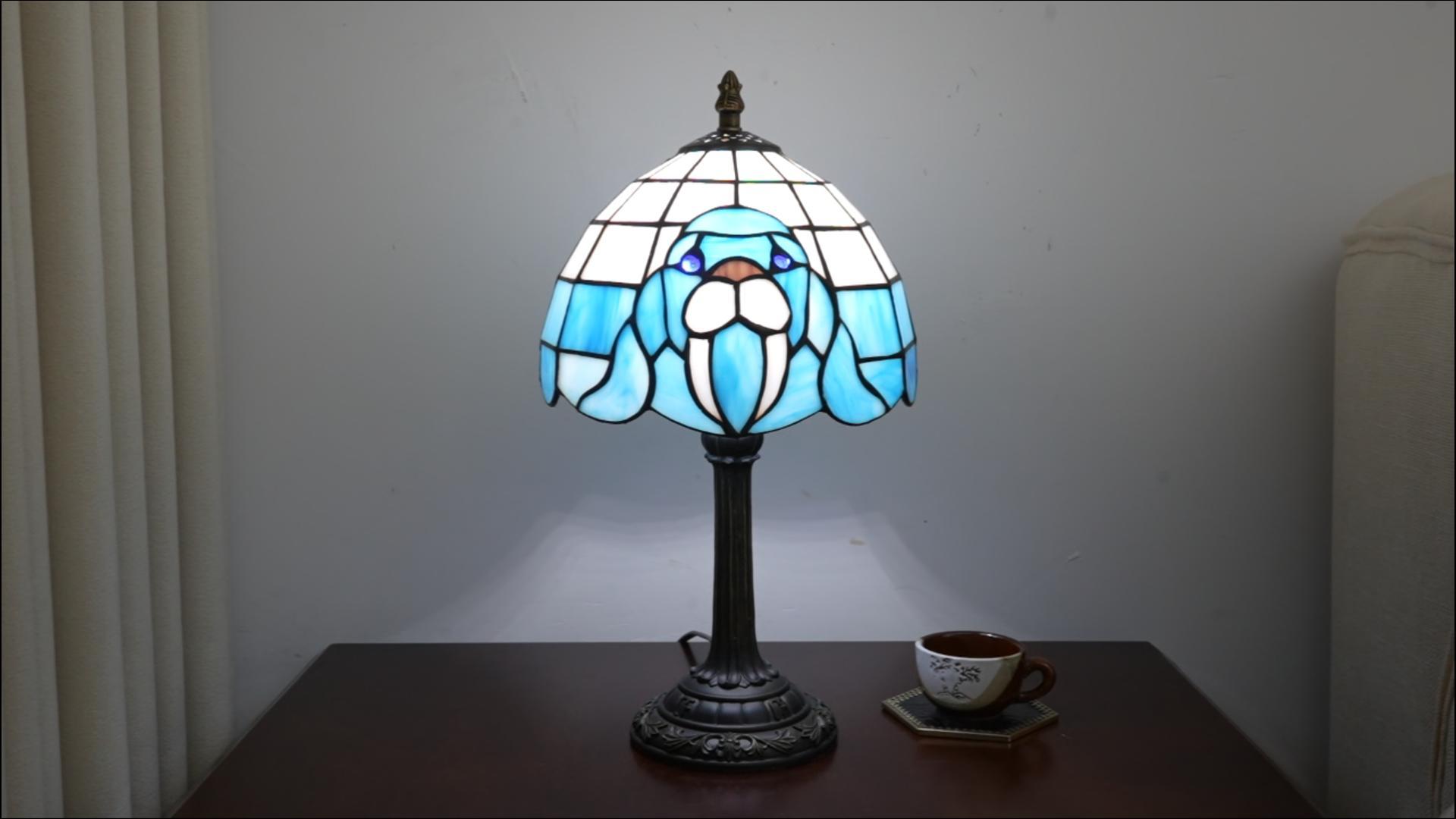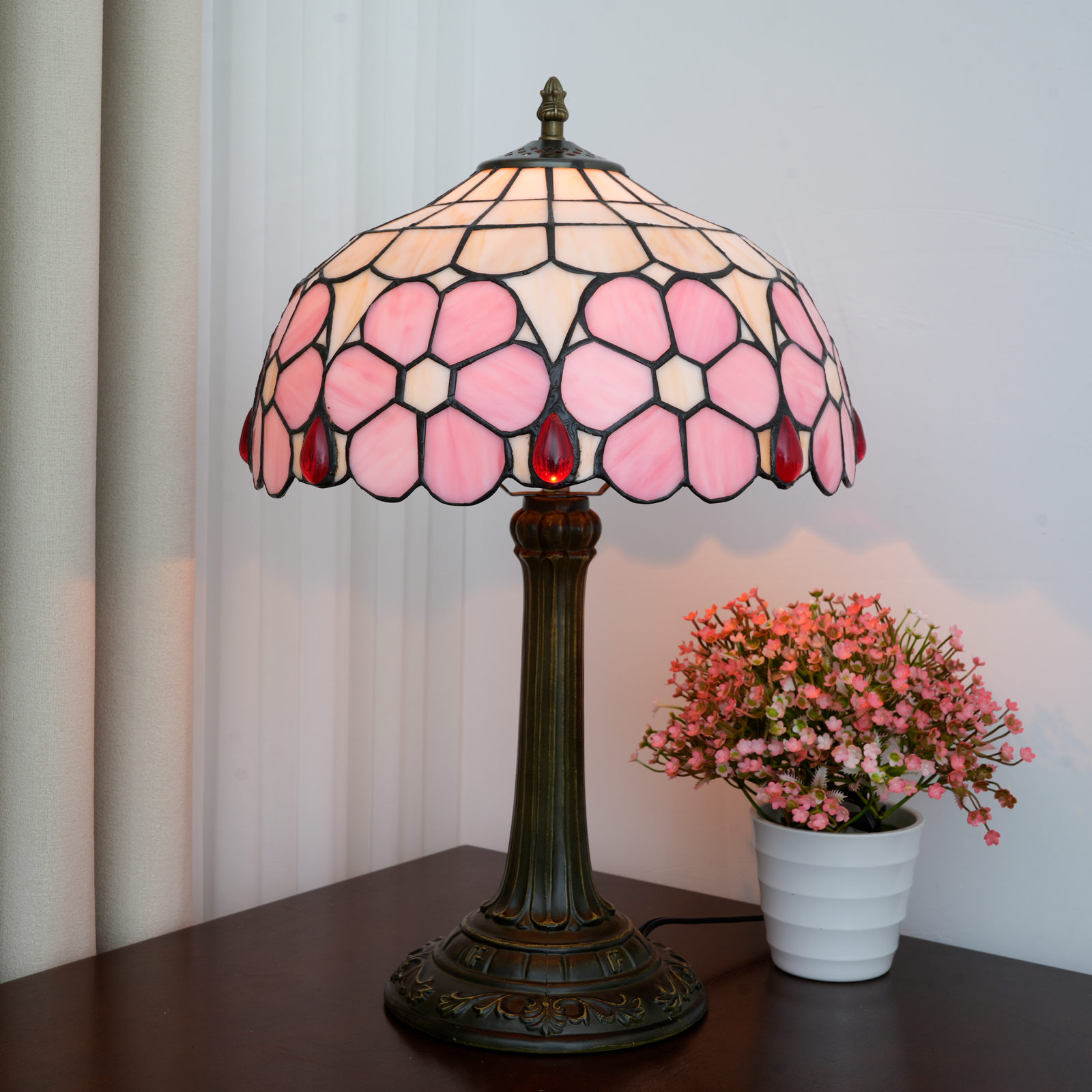





The Ultimate Guide to Night Lights: Benefits, Types, and Safety Tipssmall bedside lamp
October 29, 2026
What Is a Night Light and Why Do You Need One?
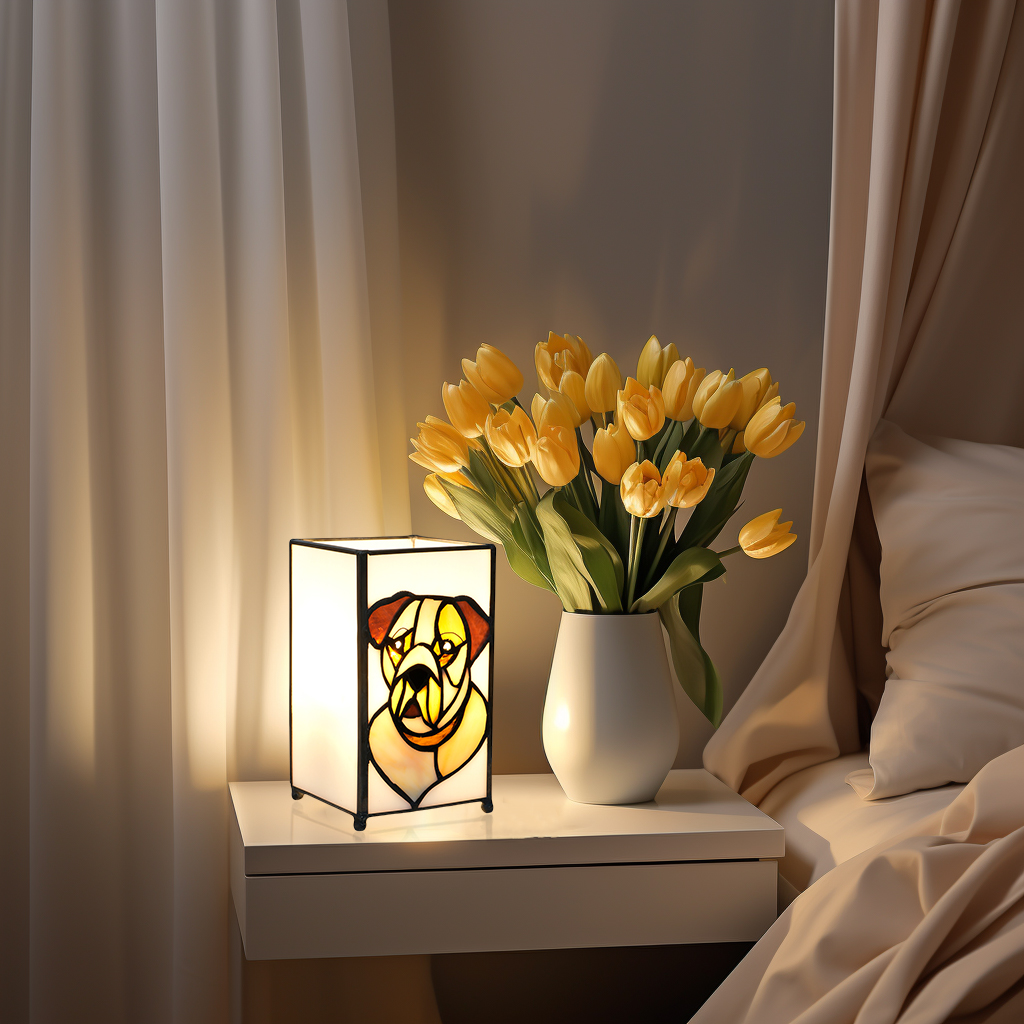
A night light is a small, low-wattage lamp designed to provide illumination during nighttime hours without being overly bright. It is typically used in bedrooms, hallways, bathrooms, and children's rooms to offer a sense of security, prevent accidents, and help people navigate in the dark. While night lights are often associated with children, they are equally valuable for adults, especially the elderly or those who wake up frequently during the night. The primary purpose of a night light is to provide just enough light to see clearly without disrupting sleep patterns or causing glare. In this guide, we'll explore the many benefits of night lights, the different types available, and essential safety tips to help you choose the best one for your needs.
The Benefits of Using a Night Light
Night lights offer a range of benefits that go beyond simple illumination. For children, a night light can ease the fear of darkness and provide comfort, making bedtime less stressful. For adults, especially parents, a night light in a hallway or nursery allows for nighttime feedings or checks without turning on harsh overhead lights that might disturb others. For the elderly, night lights reduce the risk of falls by illuminating pathways to the bathroom or kitchen. Additionally, night lights can be used as emergency lighting during power outages or as a gentle source of light for those who prefer not to sleep in complete darkness. Overall, a well-placed night light enhances safety, comfort, and convenience in the home.
Types of Night Lights: Find the Perfect Match
There are several types of night lights to suit different preferences and needs. Plug-in night lights are the most common; they plug directly into a wall outlet and often come with features like dusk-to-dawn sensors or adjustable brightness. Battery-operated night lights are portable and can be placed anywhere, making them ideal for closets, camping, or travel. Rechargeable night lights are eco-friendly and can be used without a constant power source. Motion-activated night lights turn on automatically when movement is detected, saving energy and providing light only when needed. Smart night lights can be controlled via smartphone apps or voice assistants, allowing you to customize color, brightness, and schedules. For children, there are character night lights and projector night lights that add a fun element to bedtime. When choosing a night light, consider the location, power source, and desired features to find the best fit.
Key Features to Look for in a Night Light
When selecting a night light, several features can enhance usability and safety. Brightness adjustment is important to avoid disrupting sleep; look for models with dimmable settings or low lumens. Color temperature matters too—warm white or amber light is less stimulating than cool white or blue light, making it better for sleep. Motion sensors and dusk-to-dawn sensors add convenience and energy efficiency. Energy efficiency is another consideration; LED night lights consume very little power and last for years. Safety certifications such as UL or ETL ensure the product meets safety standards. For children's rooms, choose night lights with cool-to-touch surfaces and no small parts that could be a choking hazard. Finally, consider the design and size to ensure it fits well in your space and complements your decor.
Safety Tips for Using Night Lights
While night lights are generally safe, following some basic precautions can prevent accidents. Place night lights away from flammable materials such as curtains, bedding, or paper. Avoid overloading outlets; do not plug multiple devices into the same outlet as a night light. Keep night lights out of reach of children if they are not designed for use in children's rooms, and ensure that corded night lights are secured to prevent tripping. Check for recalls and choose reputable brands with safety certifications. Do not use night lights in wet locations unless they are specifically rated for bathrooms or outdoors. Replace batteries regularly in battery-operated night lights to avoid leakage or failure. By following these tips, you can enjoy the benefits of a night light while keeping your home safe.
Night Lights for Children: A Parent's Guide
Night lights can be particularly beneficial for children, helping them feel secure and sleep better. When choosing a night light for a child's room, opt for cool-to-touch LED models that won't get hot. Avoid night lights with small detachable parts that could be a choking hazard. Choose a warm, dim light to avoid interfering with melatonin production and sleep cycles. Involve your child in the selection—letting them pick a fun design can make bedtime more appealing. Place the night light away from the bed to reduce light exposure during sleep. Consider a night light with a timer that turns off after a set period, so your child can fall asleep with light but sleep in darkness. Remember, the goal is to provide comfort without disrupting sleep, so moderation is key.
Common Questions About Night Lights
Do night lights affect sleep quality?
Yes, they can if they are too bright or emit blue light. To minimize impact, choose a dim, warm-colored night light and place it away from the bed. Using a night light with a timer or motion sensor can also reduce light exposure during sleep.
Are LED night lights safe for children?
LED night lights are generally safe for children, especially those designed for nurseries and kids' rooms. Look for cool-to-touch designs, no small parts, and safety certifications. Avoid vintage or novelty night lights that may get hot or have exposed bulbs.
Can I use a night light in the bathroom?
Yes, but ensure it is rated for damp locations. Plug-in night lights with GFCI protection or battery-operated ones are good options. Avoid placing night lights near water sources like sinks or bathtubs.
How many night lights should I have in my home?
The number depends on your home's layout and needs. Common areas include hallways, bathrooms, kitchens, and bedrooms. Focus on pathways and areas where falls are a risk, such as stairs and bathrooms. Typically, 2-4 night lights are sufficient for most homes.