




Home Decor Essentials: A Comprehensive Guide to Elevating Your Spacecute lamp
October 29, 2026
Understanding the Core of Home Decor
Home decor is more than just arranging furniture and accessories; it's about creating an environment that reflects your personality, enhances your lifestyle, and provides comfort. The key to successful home decor lies in balancing aesthetics with functionality. Start by defining the purpose of each room and consider how you want to feel in that space. Whether it's a cozy reading nook or a vibrant entertaining area, your decor should support those intentions. Invest in quality pieces that stand the test of time and mix them with affordable finds to keep the look fresh. Remember, good design often follows the 80/20 rule: 80% of your decor should be timeless and classic, while 20% can be trendy and bold.
Choosing a Color Palette
Color sets the mood of your home. A well-chosen palette can make a small room feel larger, a dark room feel brighter, and a plain room feel more dynamic. Begin with a neutral base—whites, grays, beiges—and layer in accent colors through textiles, art, and accessories. Consider the 60-30-10 rule: 60% dominant color, 30% secondary color, and 10% accent color. This creates visual harmony and prevents a space from feeling chaotic. Test paint samples on walls in different lighting conditions before committing, as colors can appear vastly different under natural versus artificial light.
Furniture Layout and Flow
The arrangement of furniture dictates how a room functions and feels. Avoid pushing all furniture against the walls; instead, create conversational groupings that encourage interaction. Define pathways to ensure easy movement through the space—aim for at least 36 inches of clearance in high-traffic areas. Anchor your seating with an area rug to unify the grouping, and use lighting to highlight focal points. In small rooms, opt for multi-functional furniture like storage ottomans or nested tables to maximize utility without clutter. Scale is crucial: a massive sofa in a tiny room will overwhelm it, while a small rug in a large space will look lost.
Lighting: The Unsung Hero of Home Decor
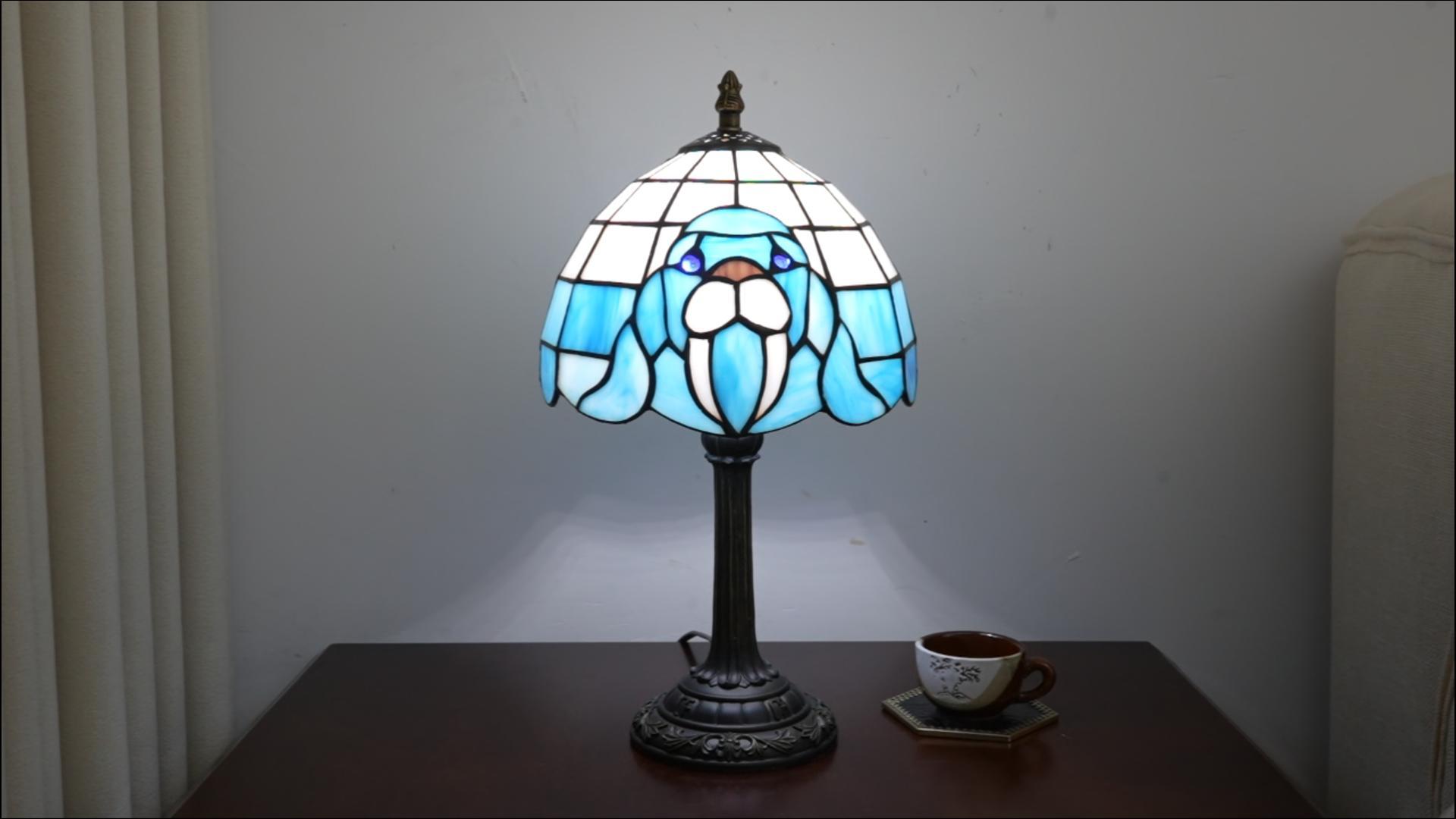
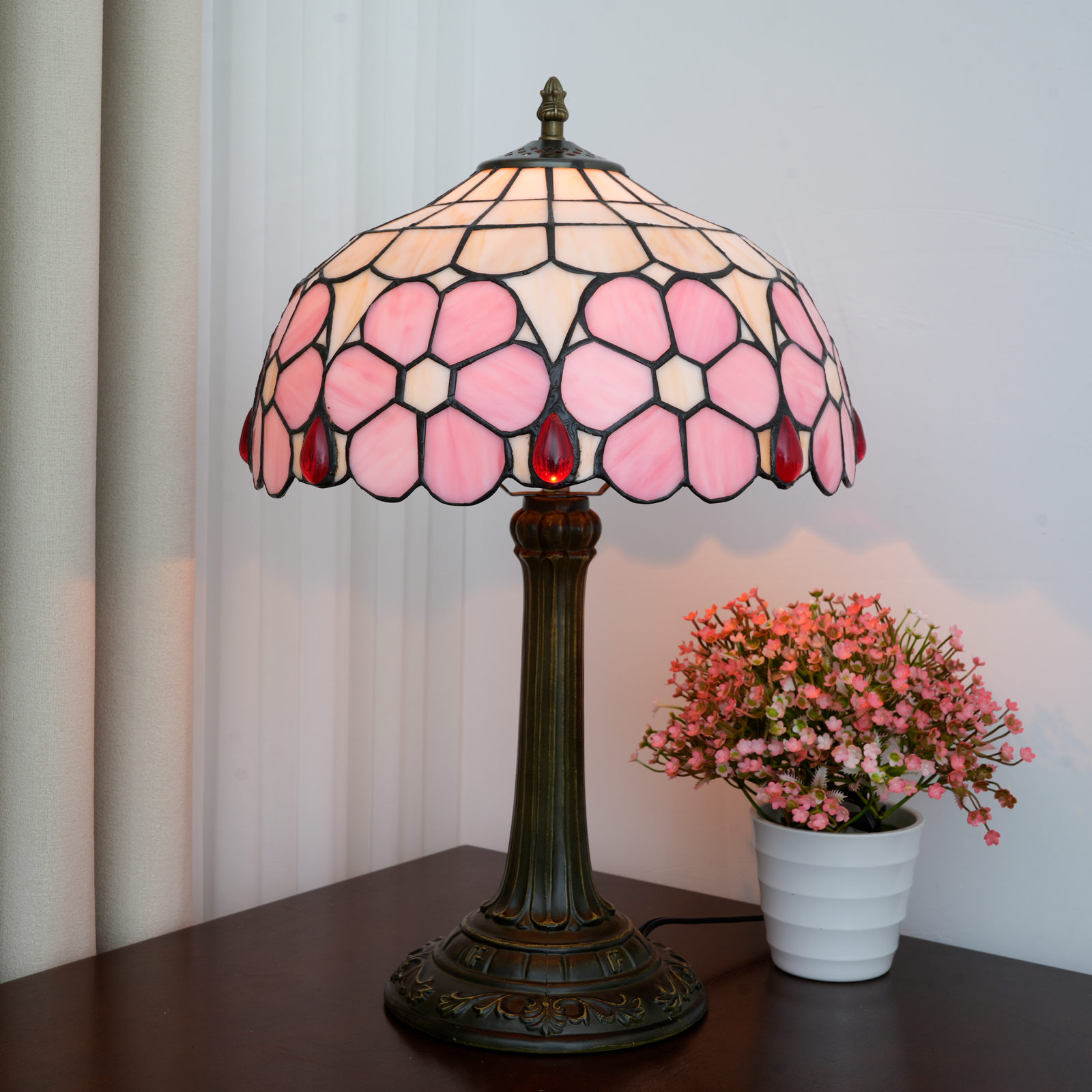
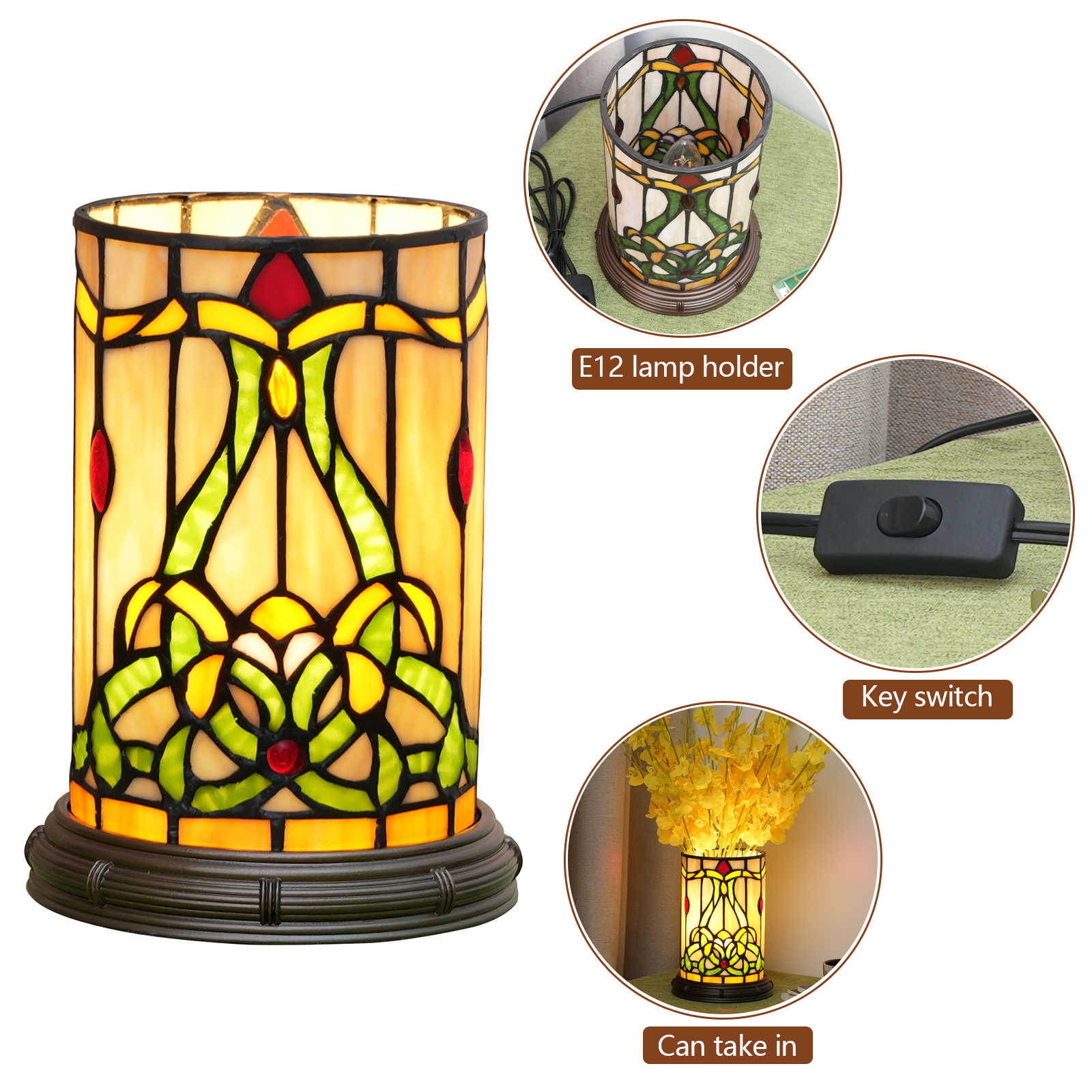
Lighting is often overlooked, yet it can dramatically transform a room. Layer your lighting with ambient, task, and accent lights. Ambient lighting provides overall illumination, task lighting aids specific activities (like reading or cooking), and accent lighting highlights architectural features or artwork. Use dimmers to adjust the intensity for different occasions, and incorporate floor lamps, table lamps, and sconces to add depth. Natural light is your best friend—keep windows unobstructed and use mirrors to bounce light around the room. Avoid relying on a single overhead fixture, which can create harsh shadows and flatness.
Incorporating Texture and Patterns
Texture adds depth and warmth to a space, while patterns bring energy and interest. Mix textures like smooth leather, soft velvet, rough wood, and shiny metal to create a tactile experience. Patterns should be balanced—if you use a bold floral wallpaper, keep other patterns subtle. Mix patterns of different scales (large, medium, small) and types (geometric, organic, abstract) for a designer look. Don't forget the floor: a textured rug or a mix of materials underfoot can ground the room. Layering textiles like throws, pillows, and curtains adds coziness and can be easily changed with the seasons.
Personalizing with Accessories and Art
Accessories are the jewelry of a room—they tell your story. Display items that have meaning: travel souvenirs, family photos, or handmade crafts. Curate your shelves and surfaces with intentional groupings, following the rule of three (odd numbers are visually appealing). Art should be hung at eye level (about 57 inches from the floor to the center of the piece) and scaled appropriately for the wall. Avoid overcrowding; edit your accessories regularly to keep the look fresh. Consider rotating your decor to reflect seasons or moods. Plants are a must—they add life, color, and improve air quality.
Common Mistakes to Avoid in Home Decor
Even seasoned decorators can fall into traps. One common mistake is hanging art too high—it should relate to the furniture below. Another is ignoring scale: oversized furniture in a small room or tiny accessories on a large wall. Overcrowding is another pitfall; less is often more. Avoid mismatched styles unless you're deliberately eclectic—consistency creates cohesion. Also, neglecting negative space can make a room feel cluttered. Finally, forgetting functionality: a beautiful room that's impractical to live in is a design failure.
Frequently Asked Questions
How can I make a small room look bigger?
Use light colors, mirrors, and multi-functional furniture. Keep clutter at bay and ensure window treatments are hung high and wide to create an illusion of height and space. Opt for a consistent flooring material to avoid visual breaks.
What is the best way to mix patterns without clashing?
Stick to a cohesive color palette and vary the scale of patterns. Combine a large floral with a small stripe or a geometric with an organic print. Use solids to break up patterns and give the eye a rest.
How do I choose the right rug size?
In living rooms, the rug should be large enough to fit under the front legs of all seating pieces. In dining rooms, it should extend at least 24 inches beyond the table on all sides. In bedrooms, it should extend beyond the bed by at least 18 inches on each side.
What are some budget-friendly ways to update my home decor?
Change pillow covers, add a new throw, rearrange furniture, update hardware on cabinets, or paint an accent wall. Thrift stores and online marketplaces offer affordable art and accessories. Rotating your existing decor can also feel like a refresh.