




The Timeless Charm of Stained Glass Table Lamps: A Buyer's Guidelamp
November 7, 2026
What Makes a Stained Glass Table Lamp Special?
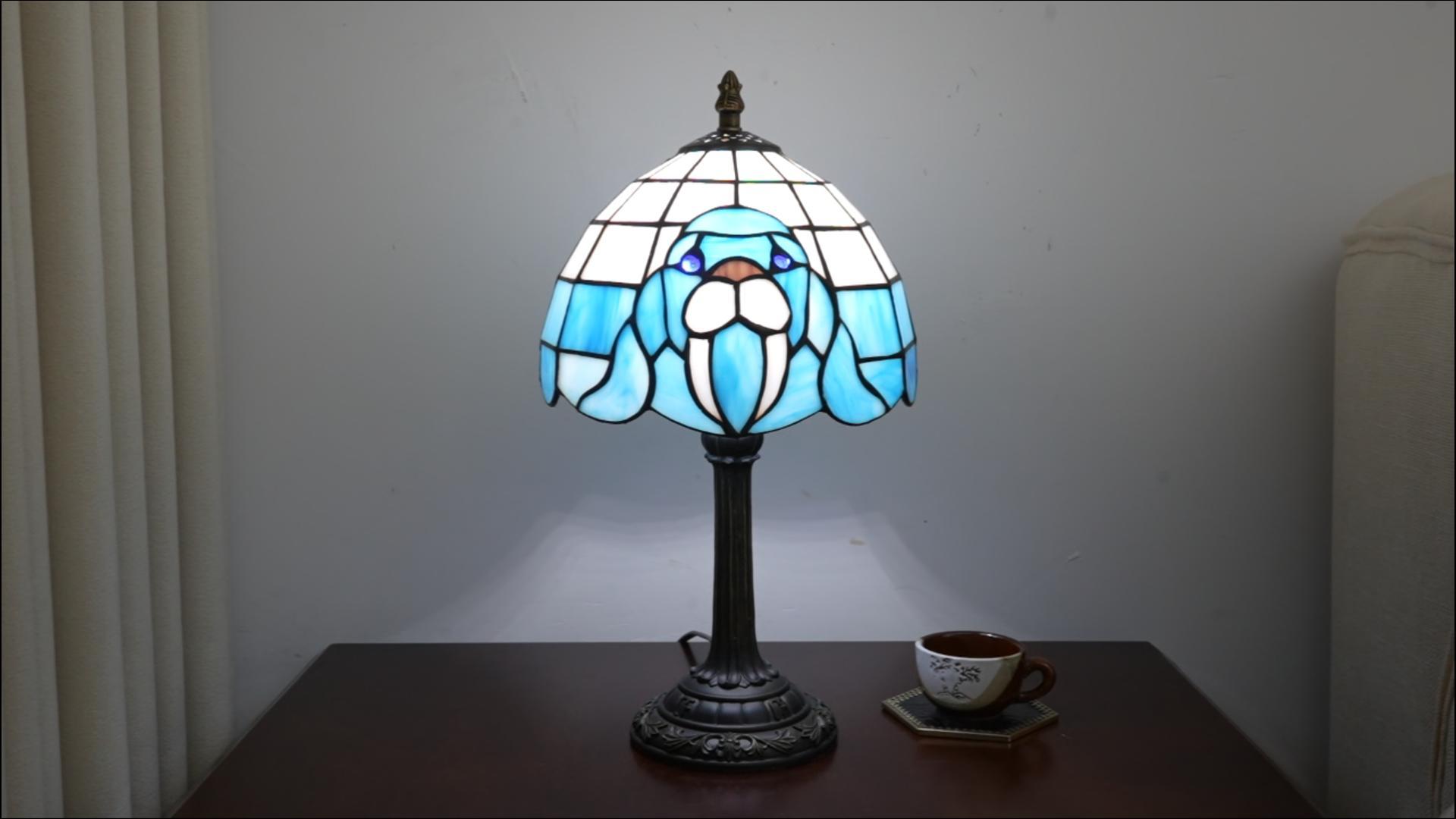
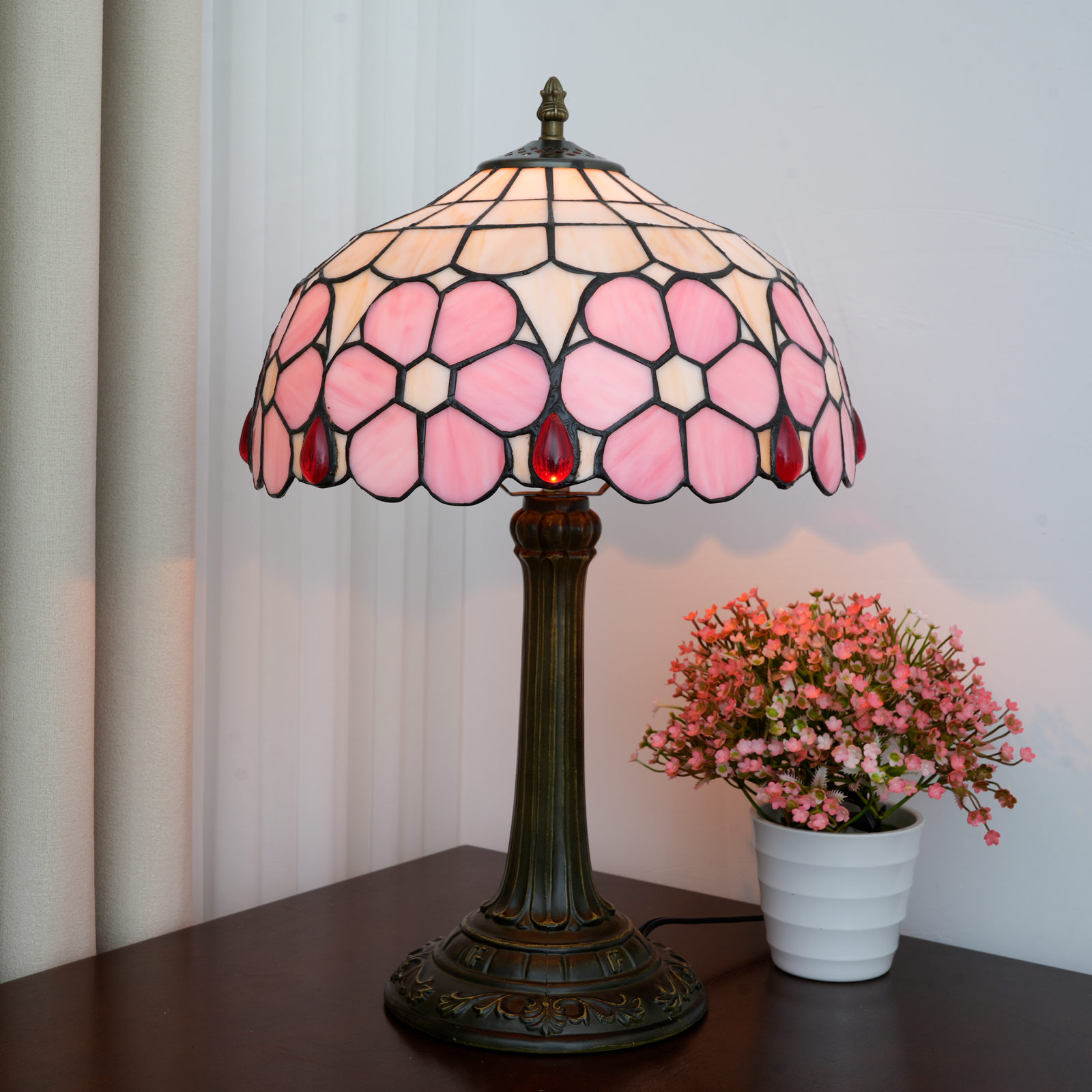
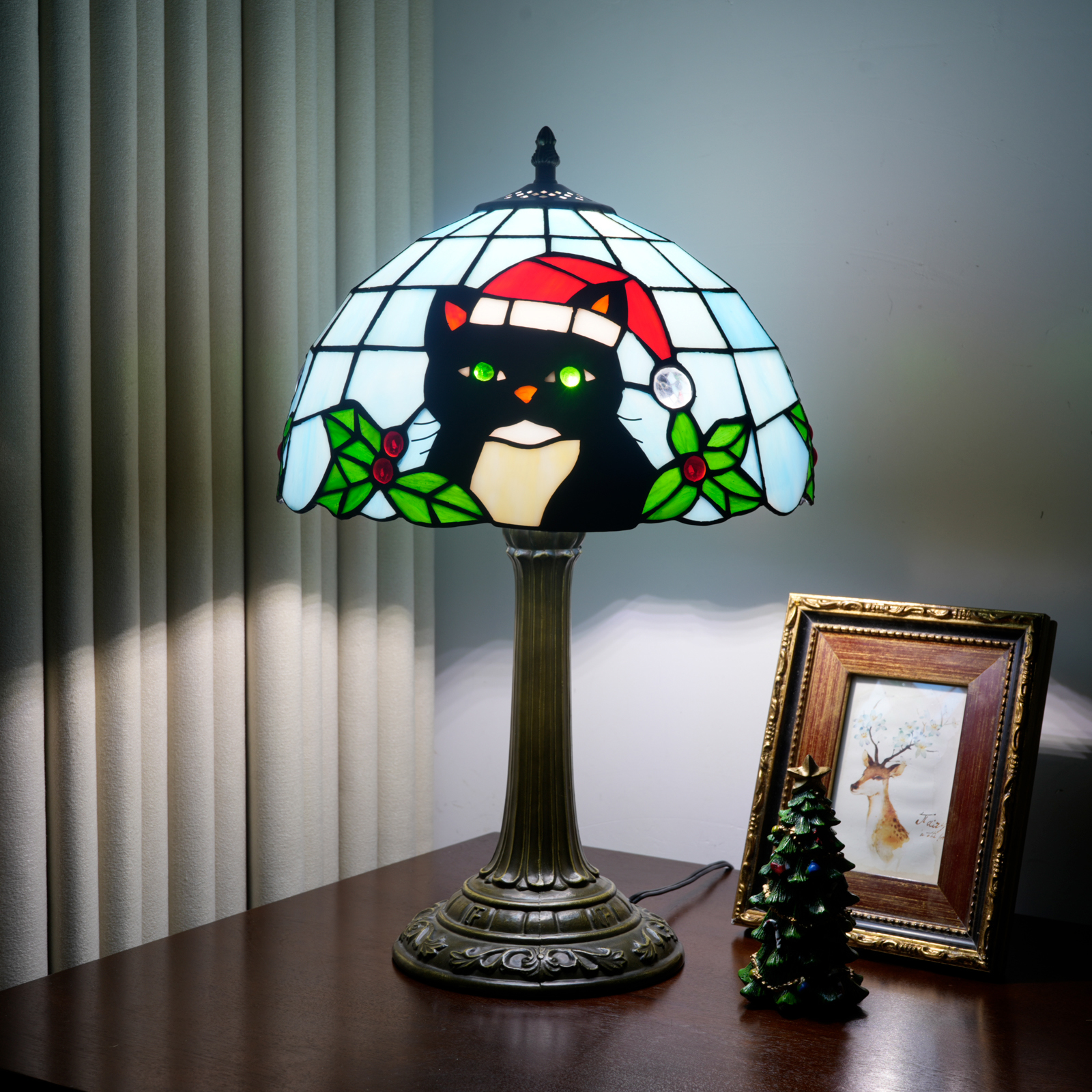
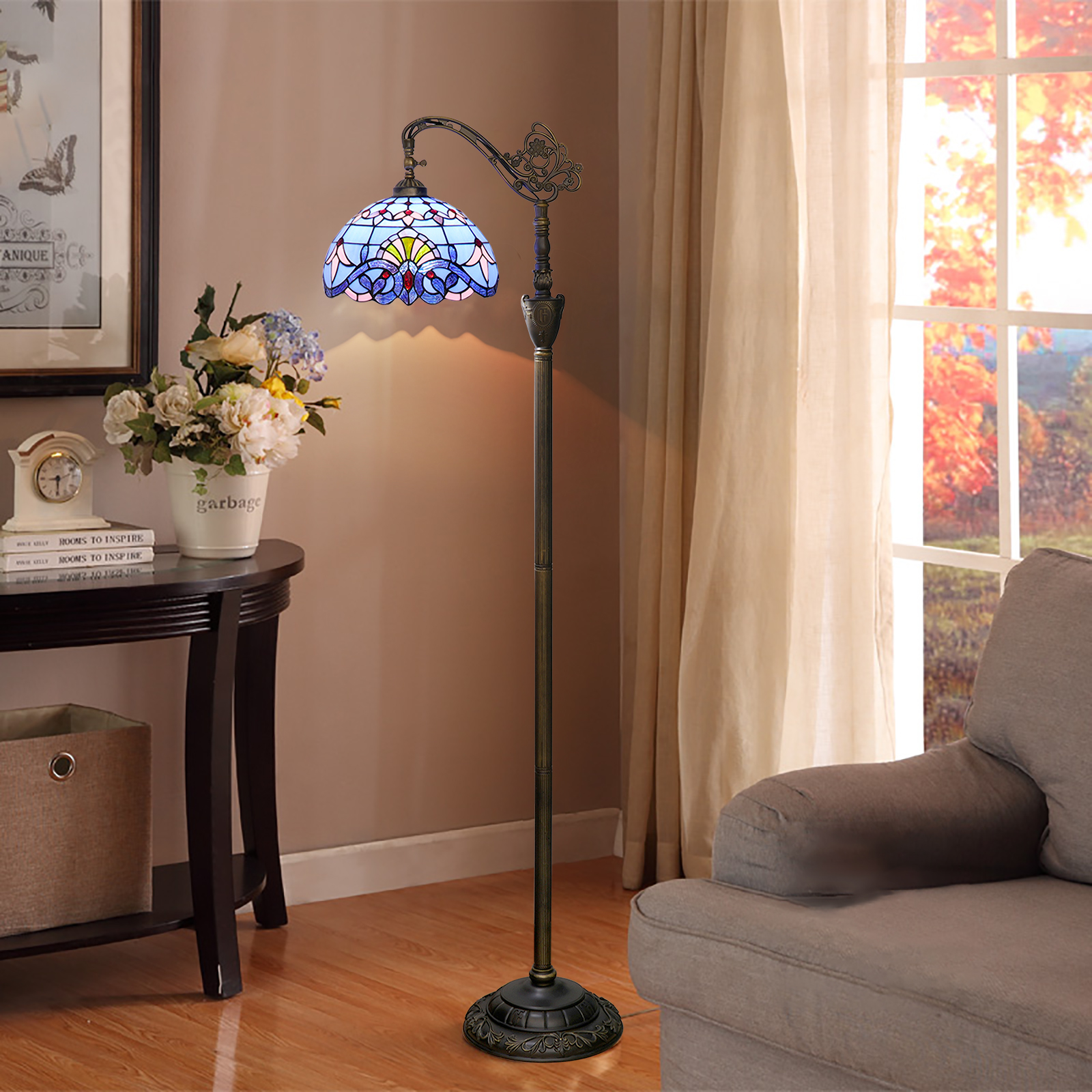
A stained glass table lamp is more than just a light source; it's a piece of functional art. Each lamp is crafted from pieces of colored glass, often joined with lead or copper foil, creating intricate patterns and vibrant hues. When illuminated, these lamps cast a warm, colorful glow that adds ambiance and character to any room. The craftsmanship involved, reminiscent of Louis Comfort Tiffany's iconic designs, ensures that no two lamps are exactly alike, making each a unique addition to your home.
Key Factors to Consider When Buying a Stained Glass Table Lamp
Before purchasing a stained glass table lamp, consider these important factors to ensure you get a high-quality piece that suits your needs.
1. Quality of Craftsmanship
Examine the lamp's construction. High-quality stained glass lamps feature tight, even solder lines and smooth joints. The glass pieces should be securely fitted without gaps. Check for any loose pieces or sharp edges. A well-made lamp will have a sturdy base, often made of metal or wood, to support the glass shade. Artisan-made lamps may show slight variations, but the overall build should be solid and durable.
2. Type of Glass
The glass itself is crucial. Opalescent glass is popular for its milky, iridescent quality that diffuses light beautifully. Cathedral glass is transparent and clear, allowing light to pass through vividly. Streaky glass has swirls of color that add depth. Consider the color palette and pattern—whether you prefer geometric designs, floral motifs, or abstract scenes. The glass should be free of cracks or chips, and the colors should be rich and consistent.
3. Size and Scale
Stained glass table lamps come in various sizes, from small accent lamps to large statement pieces. Consider the scale of the room and the table where the lamp will sit. A lamp that's too large may overwhelm a small space, while a tiny lamp might get lost in a large room. Measure the intended spot and choose a lamp that fits proportionally. Typical heights range from 12 to 24 inches, with shades spanning 8 to 18 inches in diameter.
4. Lighting and Bulb Compatibility
Check the lamp's socket type and bulb requirements. Most stained glass lamps use standard E26 bulbs, but some may require candelabra bulbs. Consider the wattage—higher wattage provides more light but may heat up the glass. LED bulbs are a great choice as they run cooler and are energy-efficient. Also, look for lamps with a 3-way switch if you want adjustable brightness. The lining of the shade (often a bronze or gold finish) affects how light reflects; a reflective lining enhances the glow.
5. Style and Design
Stained glass lamps range from traditional Tiffany-style to contemporary designs. Tiffany-style lamps often feature floral or geometric patterns with rich, jewel-toned colors. Mission-style lamps have simpler, straight lines and earthy tones. Art Nouveau designs incorporate flowing, organic shapes. Choose a style that complements your existing decor. Also, consider the base material—bronze, brass, or wrought iron bases add to the aesthetic and durability.
6. Authenticity and Brand
If you're investing in a high-end lamp, verify its authenticity. Reputable brands and artisans often provide certificates of authenticity. Handcrafted lamps may be signed by the artist. Be wary of mass-produced imitations that use printed glass or plastic instead of real stained glass. Research the maker and read reviews. Antique lamps may require provenance checks to ensure they are genuine.
7. Care and Maintenance
Stained glass lamps require gentle care. Dust regularly with a soft, dry cloth. Avoid using harsh chemicals or abrasive cleaners that can damage the glass or solder. For deeper cleaning, use a damp cloth with mild soap, but ensure no water seeps into the electrical components. Periodically check the wiring for wear and tear. If the lamp has a lead frame, wash hands after handling, as lead can be hazardous. With proper care, a quality stained glass lamp can last for generations.
8. Placement and Ambiance
Place your stained glass lamp where its colors can be appreciated. In a living room, it can serve as a focal point on a side table. In a bedroom, it creates a cozy, romantic atmosphere. Avoid direct sunlight exposure, as it can fade the glass over time. Use the lamp as an accent light rather than primary illumination, and pair it with softer background lighting to enhance the ambiance.
9. Budget and Value
Stained glass table lamps range widely in price, from affordable mass-market versions to expensive artisan pieces. Set a budget but remember that quality often correlates with price. Handcrafted lamps may cost more but offer unique beauty and durability. Consider the lamp as an investment piece that adds value to your home. Look for sales or estate sales for potential deals, but always inspect thoroughly before buying.
10. Common Mistakes to Avoid
Buying a stained glass lamp can be tricky. Avoid these common pitfalls: ignoring scale—a lamp that's too big or small for the space; overlooking craftsmanship—poor solder joints or loose glass; choosing style over substance—a pretty lamp that's poorly made won't last; skipping the bulb check—ensure the socket works and bulbs are easily available; neglecting maintenance—understand the care required before purchasing.
Frequently Asked Questions
How can I tell if a stained glass lamp is authentic?
Authentic stained glass lamps often have a signature or mark on the base or shade. Look for brands like Tiffany, Handel, or Duffner & Kimberly. The solder lines should be smooth and the glass should have natural variations. If buying online, request detailed photos and provenance. Consult an expert if unsure.
Can I use a stained glass lamp as my main light source?
Stained glass lamps are typically used as accent lighting because they don't provide bright, directional light. However, with a higher-wattage bulb, they can contribute to ambient lighting. For tasks, pair with other light sources.
How do I clean a stained glass lamp?
Dust regularly with a soft cloth. For deeper cleaning, use a damp cloth with mild soap, avoiding the electrical parts. Dry immediately. Never submerge in water or use abrasive cleaners.
Are stained glass lamps safe?
Yes, when used properly. Ensure the wiring is in good condition and don't exceed the recommended wattage. Some older lamps may contain lead, so wash hands after handling and keep away from children.
Where is the best place to buy a stained glass table lamp?
Specialty lighting stores, art fairs, and reputable online retailers offer a wide selection. Antique shops and estate sales can yield unique finds. Always inspect the lamp in person if possible, or buy from sellers with good return policies.