




The Timeless Allure of Tiffany Lamps: A Guide to History, Craftsmanship, and CollectingBlivuself
November 7, 2026

The Origins of Tiffany Lamps
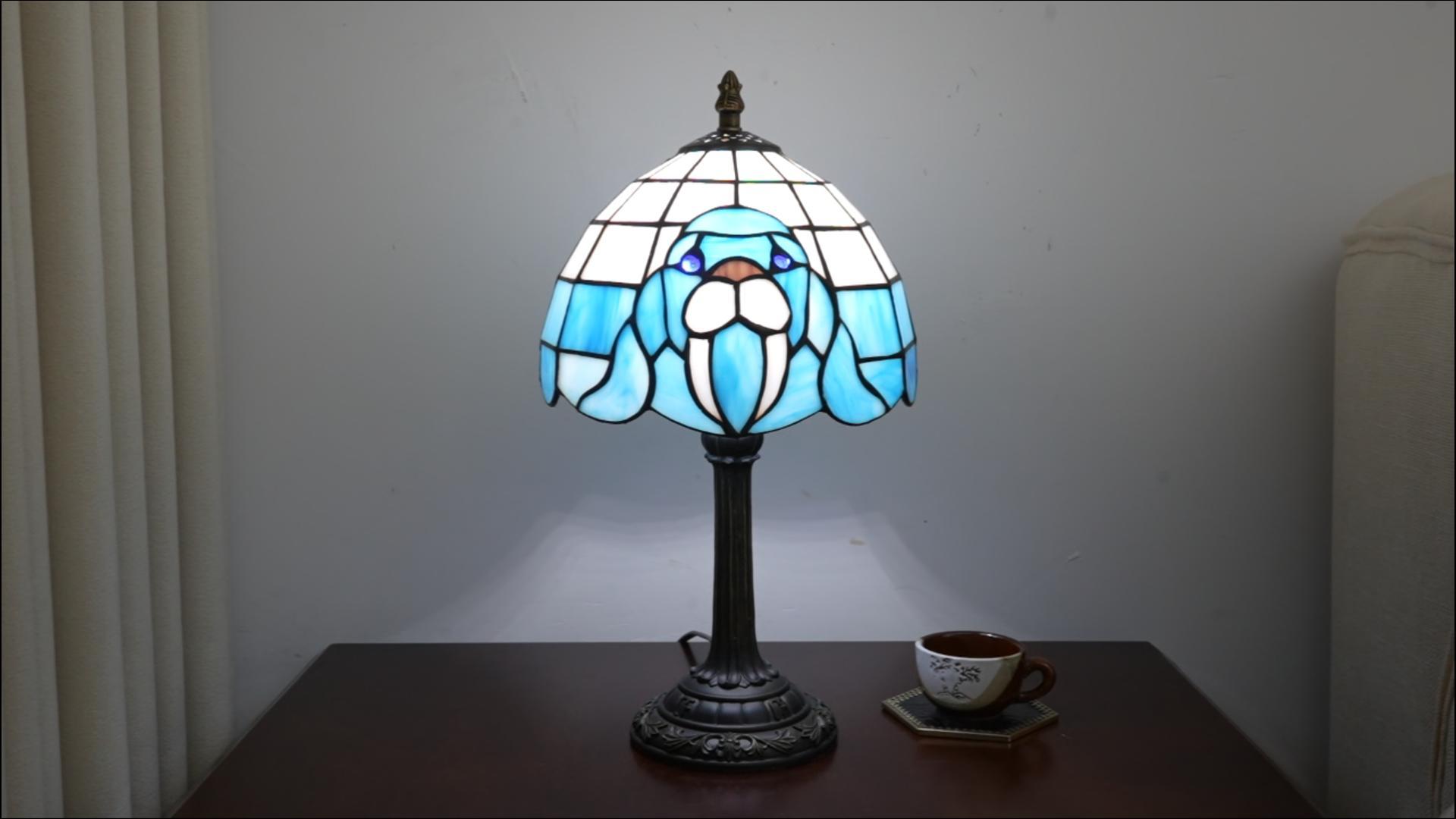
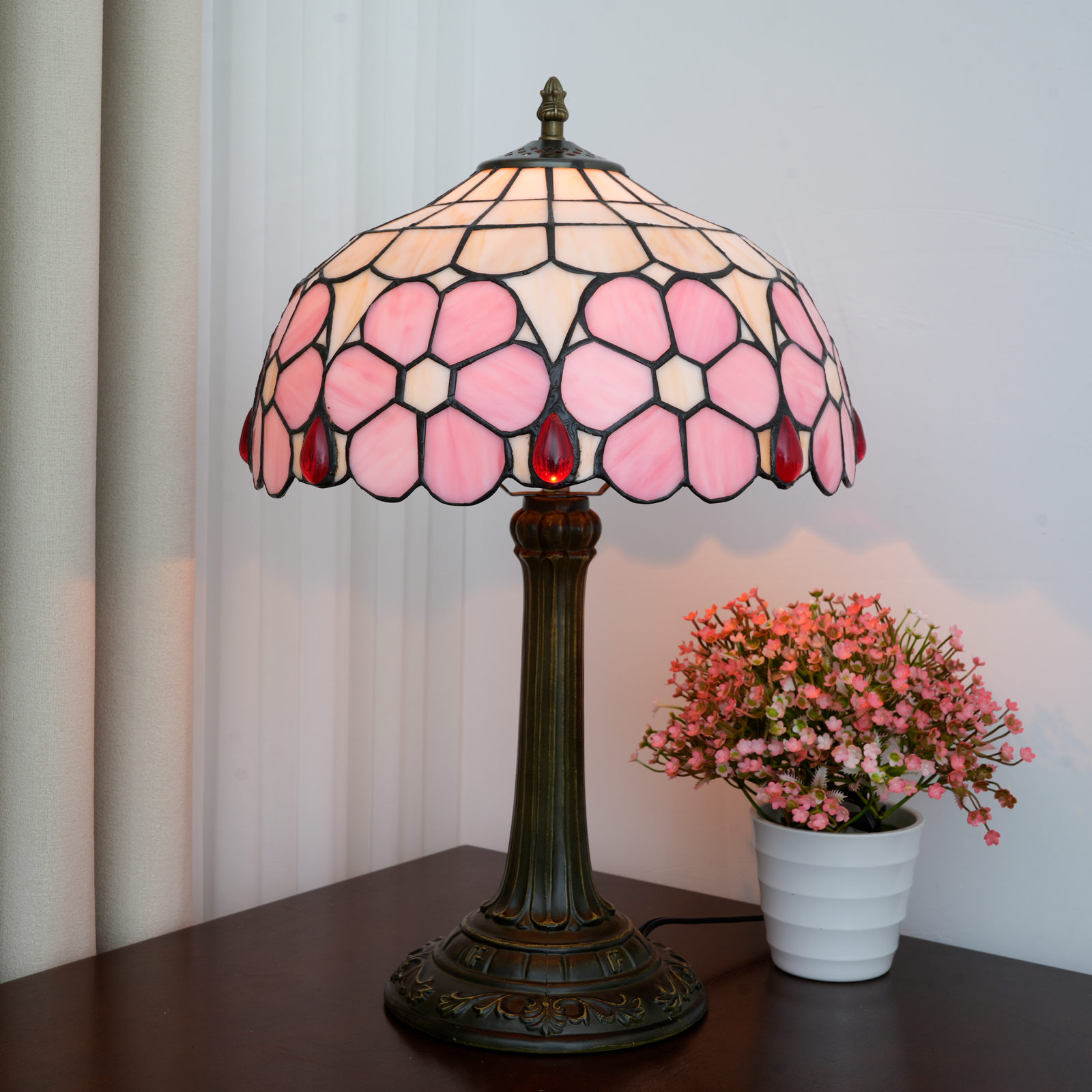
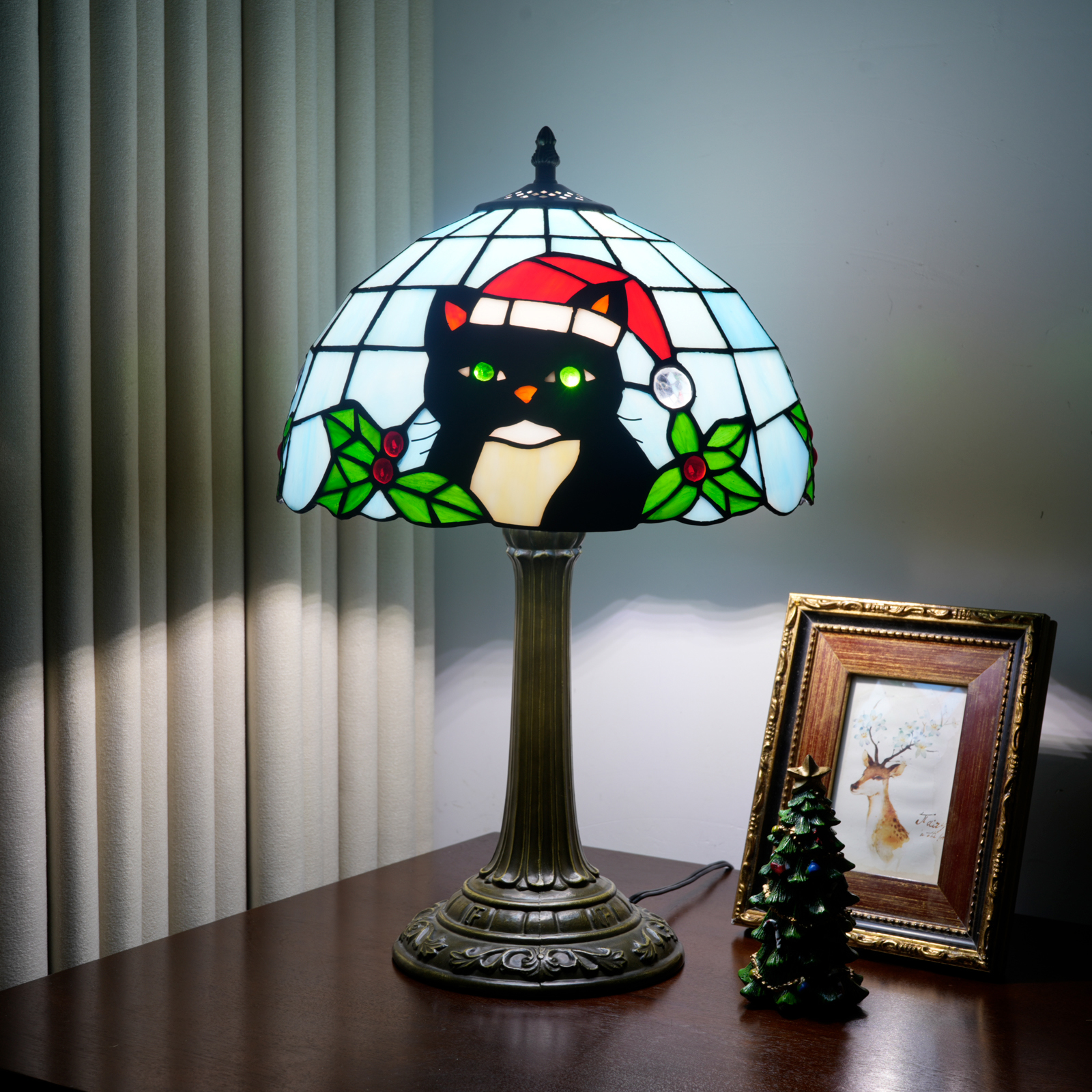
Tiffany lamps, synonymous with Louis Comfort Tiffany and his design studio, emerged during the late 19th century as part of the Art Nouveau movement. These lamps are celebrated for their intricate stained glass shades, often featuring floral, geometric, or dragonfly motifs. Tiffany's innovation lay in using opalescent glass, which allowed for a rich, iridescent effect that had never been seen before in lighting design. The first Tiffany lamp, created in the 1890s, quickly became a symbol of elegance and craftsmanship, gracing the homes of the wealthy and eventually becoming accessible to a broader audience.
Craftsmanship and Design
Each Tiffany lamp is a testament to meticulous craftsmanship. The shades are made by cutting hundreds of individual pieces of glass, wrapping them in copper foil, and soldering them together—a technique known as the copper foil method. This process allows for delicate designs and vibrant color combinations. The bases, often made of bronze, are equally detailed, sometimes featuring organic shapes that complement the shade. Authentic Tiffany lamps are signed and numbered, making them highly sought after by collectors. Reproductions exist, but true Tiffany lamps reflect a level of artistry that is hard to replicate.
Types of Tiffany Lamps
Tiffany lamps come in various styles, each with its own charm. Table lamps are the most common, with famous models like the Dragonfly and Wisteria. Floor lamps are rarer and often more elaborate, while hanging shades and sconces complete the lighting ensemble. Collectors often focus on specific patterns or eras, such as the early Favrile glass pieces. Understanding these categories helps in identifying and appreciating the unique characteristics of each lamp.
Identifying Authentic Tiffany Lamps
With many reproductions on the market, authentication is crucial. Look for the Tiffany Studios signature on the shade and base, usually found on the inner rim or underneath the base. The glass should have a distinctive texture and depth, with no two pieces exactly alike. The weight and finish of the bronze base are also indicators of authenticity. Consulting experts or obtaining a certificate of authenticity from reputable dealers is advisable before making a significant purchase. Remember, authentic Tiffany lamps are investment pieces, and their value continues to rise.
Caring for Your Tiffany Lamp
Proper care ensures that your Tiffany lamp remains a cherished heirloom. Clean the glass with a soft, damp cloth and mild soap, avoiding harsh chemicals that can damage the finish. Dust the base regularly with a dry cloth. Avoid direct sunlight, which can fade the glass over time. When moving the lamp, handle it with care, supporting both the shade and base. For electrical components, have a professional inspect the wiring periodically. With proper maintenance, a Tiffany lamp can be enjoyed for generations.
Collecting Tiffany Lamps: Tips and Insights
Collecting Tiffany lamps is a rewarding pursuit but requires knowledge and patience. Start by researching auction records and visiting museums with Tiffany collections to understand quality and pricing. Join collector communities and attend antique shows to network and learn. Set a budget and prioritize pieces that speak to you personally. Be wary of deals that seem too good to be true—authentic Tiffany lamps are rarely inexpensive. Consider the lamp's condition, rarity, and provenance, as these factors significantly impact value. Whether you're a novice or a seasoned collector, the thrill of discovering a genuine Tiffany lamp is unmatched.
Common Questions About Tiffany Lamps
How can I tell if a Tiffany lamp is real?
Look for the signature, examine the glass quality, and check the base's weight and finish. Authentic lamps have a distinct patina and intricate details that reproductions often lack. When in doubt, consult a professional appraiser.
What is the price range for Tiffany lamps?
Prices vary widely based on rarity, condition, and design. Common table lamps can start around $1,000, while rare or signed pieces can fetch hundreds of thousands of dollars at auction. Research recent sales to gauge the market.
How should I display a Tiffany lamp?
Place it in a spot where its colors can be appreciated, such as a side table or console. Use a soft, warm bulb to enhance the glass's glow. Avoid direct sunlight and extreme temperatures to preserve the materials.
Can I repair a damaged Tiffany lamp?
Yes, but restoration should be done by professionals experienced with Tiffany glass. Improper repairs can decrease value. Consult a specialist for any damage, whether to the glass or the metalwork.