




The Timeless Allure of the Tiffany Lamp: A Comprehensive Guide
October 12, 2026

What Is a Tiffany Lamp?
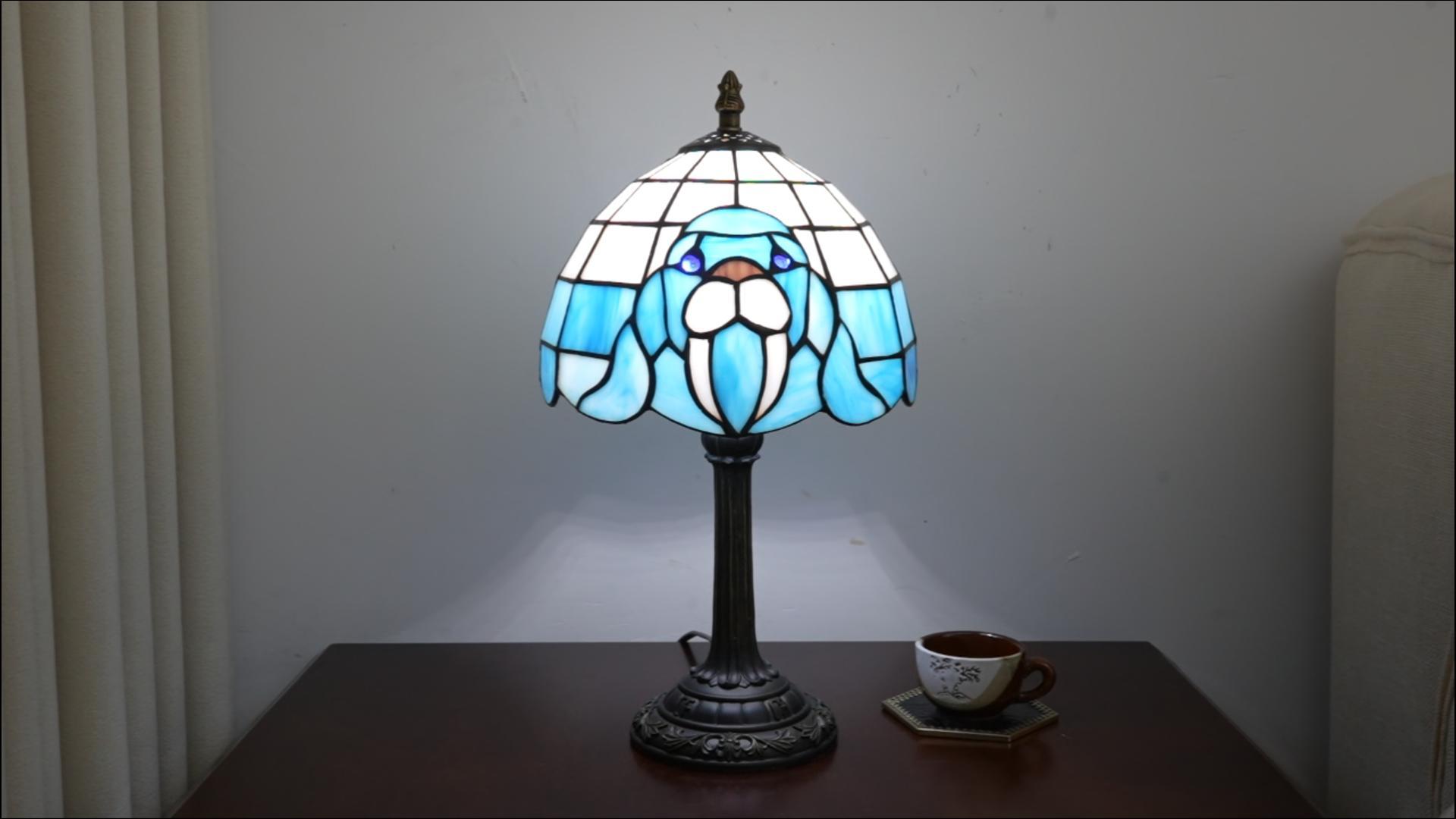
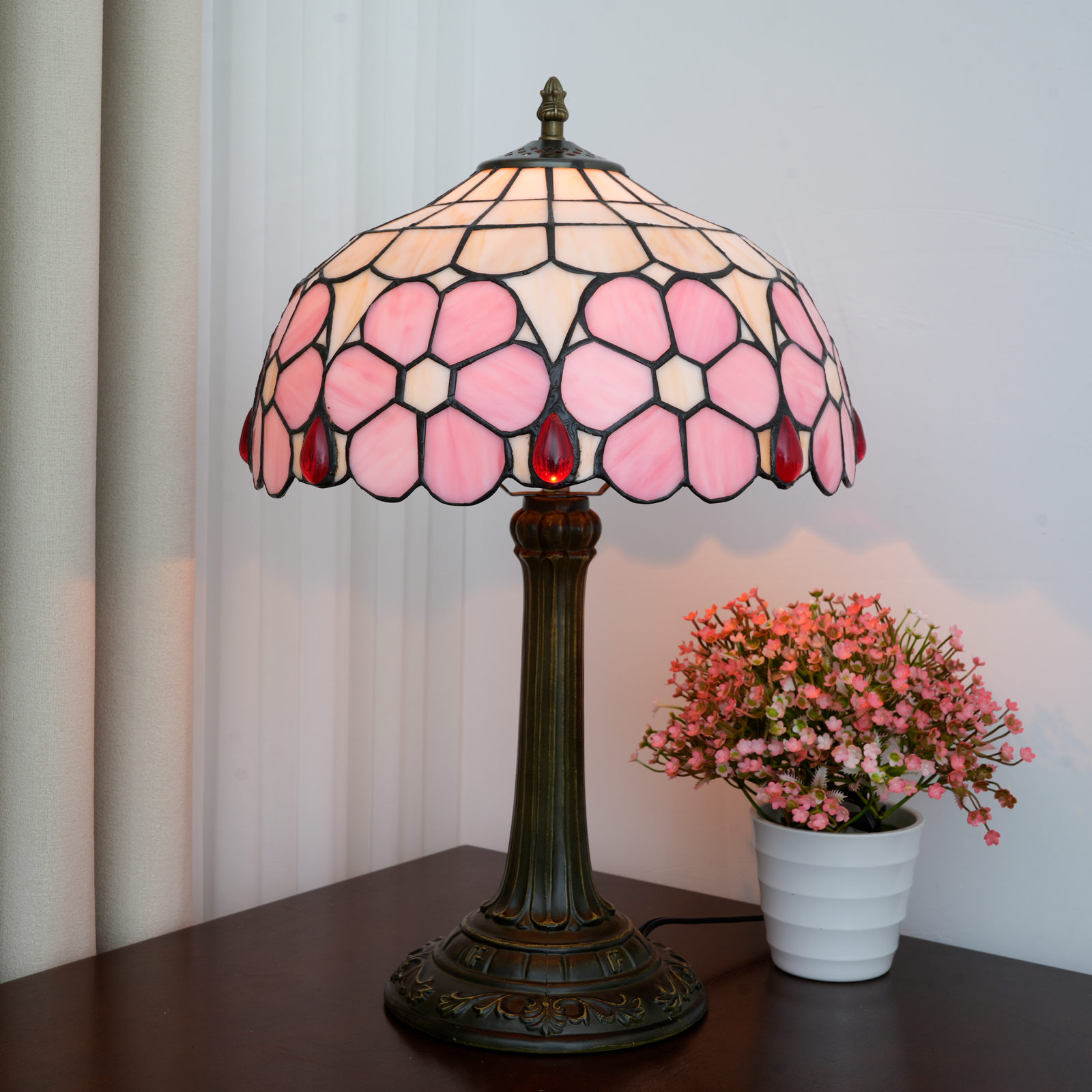
A Tiffany lamp is a type of stained glass lamp originally designed by Louis Comfort Tiffany and his design studio, Tiffany Studios, in the late 19th and early 20th centuries. These lamps are renowned for their intricate lead-glazed glass shades, often featuring floral, geometric, or nature-inspired patterns. Each lamp is a unique work of art, combining functionality with exquisite craftsmanship.
The History and Origins
Louis Comfort Tiffany, son of the founder of Tiffany & Co., was a painter and decorative artist who became fascinated with glassmaking. In the 1890s, he began producing stained glass windows and eventually applied his techniques to lamps. The first Tiffany lamps were introduced around 1895, and they quickly gained popularity among the affluent. The Louis Comfort Tiffany name became synonymous with luxury and artistic innovation. His studio produced a wide range of lamps, from the famous Dragonfly and Wisteria designs to the Peony and Daffodil patterns. After Tiffany's death in 1933, the studio closed, but the lamps remain highly sought after.
Why Are Tiffany Lamps So Valuable?
Tiffany lamps are valuable for several reasons. First, their artistic merit is unparalleled; each shade is assembled from hundreds of pieces of colored glass, carefully selected to create a harmonious design. Second, their historical significance as a symbol of the Art Nouveau movement makes them important cultural artifacts. Third, their rarity and provenance drive up prices; original Tiffany Studios lamps can fetch anywhere from a few thousand to millions of dollars at auction. For example, a rare Dragonfly lamp sold for over $2.8 million in 2018.
How to Identify an Authentic Tiffany Lamp
Identifying an authentic Tiffany lamp requires careful examination. Here are key indicators:
- Signature: Look for a signature on the base or inside the shade. Authentic Tiffany Studios pieces are often marked with "Tiffany Studios New York" or a model number.
- Glass quality: Original Tiffany glass has a distinctive iridescent sheen and a wide range of colors, with no two pieces exactly alike.
- Construction: The copper foil technique used by Tiffany creates smooth, even lines between glass pieces. Reproductions often use thicker lead came.
- Base design: Tiffany bases are cast bronze or brass, often with intricate patterns. They are heavy and well-balanced.
Collecting and Caring for Tiffany Lamps
If you're a collector, focus on condition and completeness. Cracks in the glass, missing pieces, or replaced bases significantly reduce value. Store lamps in a stable environment away from direct sunlight and extreme temperatures. Clean shades gently with a soft cloth and mild soap; avoid harsh chemicals. For restoration, seek a professional who specializes in stained glass. Insurance is essential, as these lamps are delicate and valuable.
Common Questions
Are Tiffany lamps still made today?
Original Tiffany Studios lamps are no longer produced, but many companies create reproductions in the Tiffany style. These can be beautiful but are not considered authentic antiques.
How much does a Tiffany lamp cost?
Prices vary widely. A small original lamp might cost $2,000 to $10,000, while rare, large models can exceed $1 million. Reproductions range from $100 to $1,000.
Can I use a Tiffany lamp for everyday lighting?
Yes, but be cautious. The glass can fade if exposed to bright light, and heat from high-wattage bulbs may damage the shade. Use low-wattage LED bulbs for safety.
What is the most famous Tiffany lamp design?
The Dragonfly and Wisteria are among the most iconic, but the Peony and Laburnum are also highly celebrated.