




The Complete Guide to Tiffany Style Lamps: History, Buying Tips, and Care
October 13, 2026

What Exactly Is a Tiffany Style Lamp?
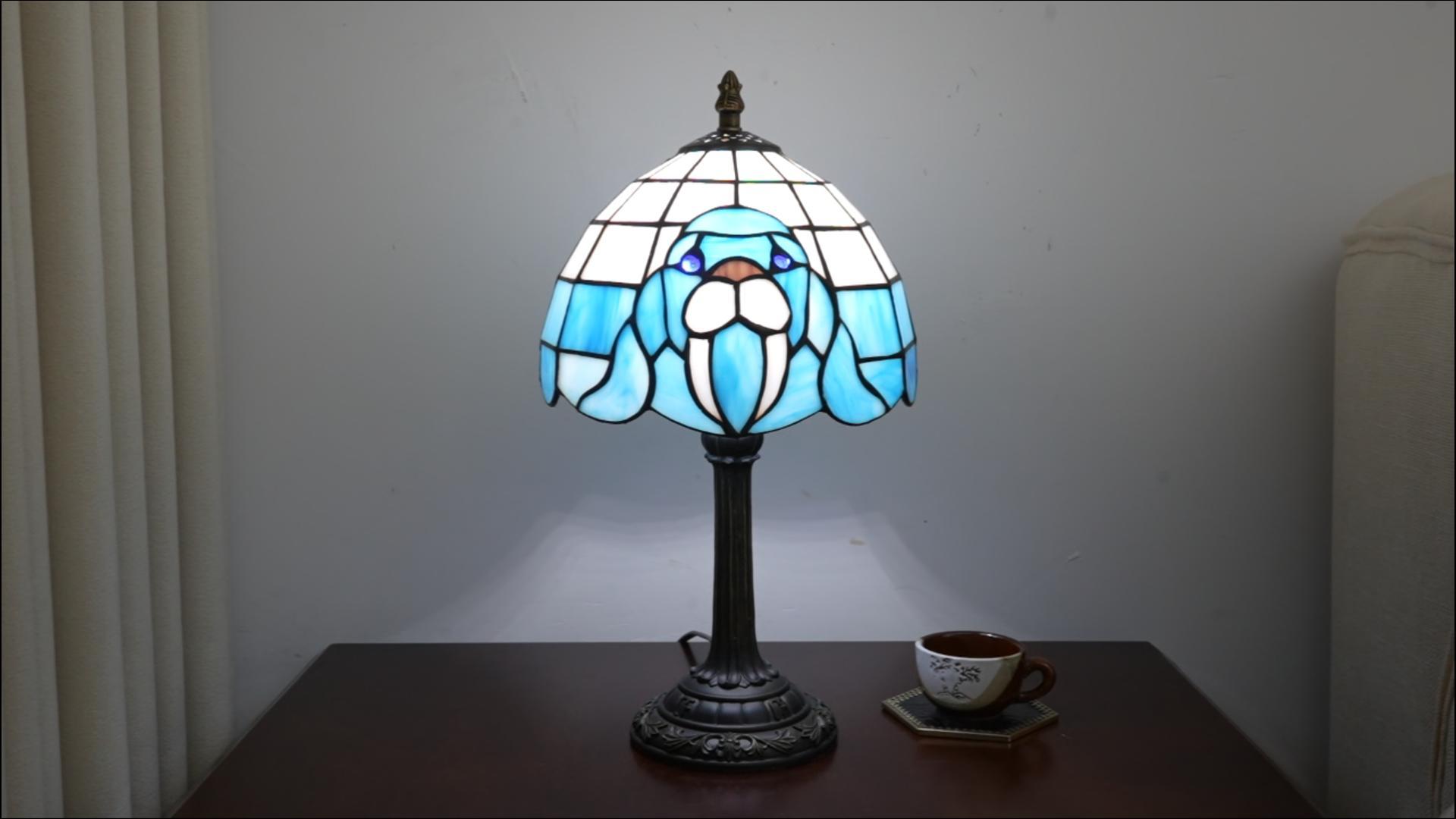
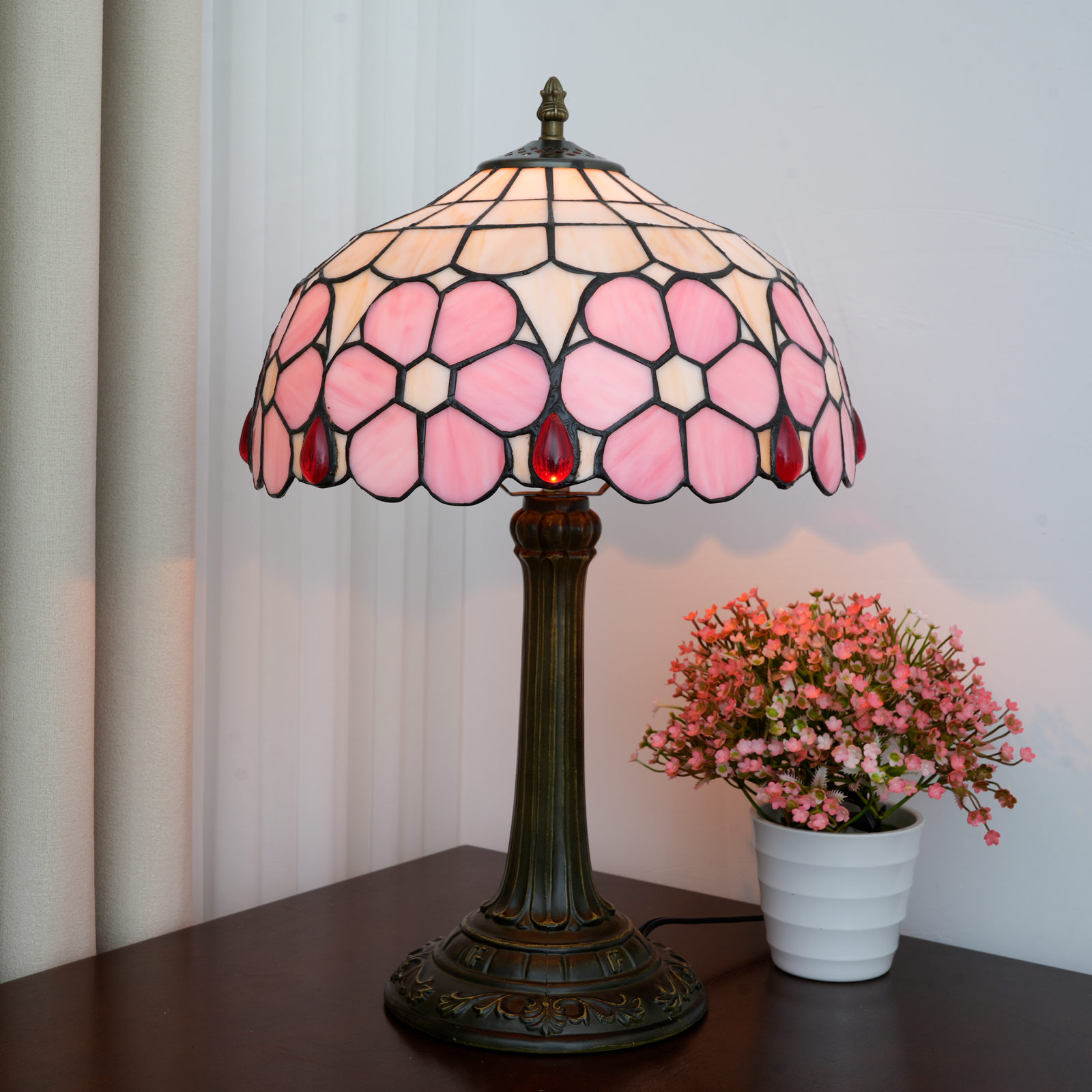
When you hear the term Tiffany style lamp, you might picture a stained-glass shade with vibrant colors and intricate patterns. But what does 'Tiffany style' actually mean? It refers to lamps designed in the manner of Louis Comfort Tiffany, an American artist and designer who revolutionized decorative arts in the late 19th and early 20th centuries. His company, Tiffany Studios, produced leaded glass lamps that became symbols of the Art Nouveau movement. Today, Tiffany style lamps are reproductions or inspired pieces that mimic his techniques—using pieces of colored glass joined by copper foil or lead came to form shades, often paired with bronze or resin bases. These lamps are not just light sources; they are statement pieces that add warmth, character, and a touch of nostalgia to any room.
A Brief History: From Louis Comfort Tiffany to Modern Reproductions
Louis Comfort Tiffany was born in 1848, the son of Charles Lewis Tiffany, founder of Tiffany & Co. Instead of joining the family jewelry business, he pursued painting and interior design. In the 1880s, he began experimenting with glass, developing a unique type called Favrile glass, which had an iridescent, hand-made quality. His lampshades, made from hundreds of small glass pieces, depicted natural motifs like dragonflies, wisteria, and peonies. These original lamps are now prized antiques, often selling for hundreds of thousands of dollars. However, the Tiffany style lamp as we know it today became widely popular in the 1960s and 1970s when reproductions flooded the market. Modern versions use similar techniques but often with more affordable materials, making the style accessible to everyone. Understanding this history helps you appreciate the craftsmanship behind each lamp—even a reproduction requires skilled labor to cut, fit, and solder the glass.
How to Choose the Perfect Tiffany Style Lamp for Your Home
With so many options available, selecting a Tiffany style lamp can feel overwhelming. Start by considering the lamp's purpose. Are you looking for a table lamp for a bedside table, a floor lamp for a reading nook, or a pendant for a dining room? Each type serves a different function and scale. Next, examine the shade's color palette. Tiffany lamps are known for their rich hues—greens, blues, ambers, and reds—so choose one that complements your existing decor. If your room is neutral, a lamp with multicolored glass can be a stunning focal point. If your space is already colorful, opt for a shade with fewer colors or a more monochromatic design. Also, pay attention to the base. Bases range from simple resin to ornate bronze, and they should be proportional to the shade. A heavy base prevents tipping, especially for floor lamps. Finally, consider the light bulb. Many Tiffany lamps use standard bulbs, but some require specific wattages to avoid overheating the glass. LED bulbs are a great choice because they run cooler and last longer. Always check the manufacturer's recommendations.
Materials and Craftsmanship: What to Look For
A quality Tiffany style lamp is defined by its materials and construction. The shade should be made of real glass, not plastic. Plastic shades may look similar at a distance, but they lack the depth and luminosity of glass. Run your fingers over the shade—you should feel the raised lines of copper foil or lead came. The solder lines should be smooth and consistent, not lumpy or sharp. Check for gaps between glass pieces; they indicate poor craftsmanship. The base should be sturdy and well-balanced. If it's metal, look for a solid weight and a smooth finish. Some high-end reproductions use bronze, which develops a patina over time. Others use resin, which is lighter and more affordable but can feel less luxurious. Also, examine the lamp's wiring. It should be UL-listed for safety, with a polarized plug and a switch that feels firm. A well-made lamp will have a felt or rubber pad on the bottom to protect furniture. Remember, a Tiffany style lamp is an investment, so take your time and inspect it carefully before buying.
Where to Place Your Tiffany Style Lamp for Maximum Impact
Placement is key to showcasing your Tiffany style lamp. These lamps are decorative by nature, so they work best in areas where they can be admired. In a living room, a table lamp on a side table or console adds a warm glow and a pop of color. In a bedroom, a pair of matching lamps on nightstands creates symmetry and elegance. For a dining room, a pendant or chandelier with Tiffany shades becomes a conversation starter above the table. Floor lamps are perfect for reading corners or beside a cozy armchair. Avoid placing them in direct sunlight, as prolonged exposure can fade the glass. Also, consider the lamp's scale relative to the room. A large floor lamp in a small room can overwhelm the space, while a tiny accent lamp in a large room may get lost. Experiment with different spots—move the lamp around until it feels right. And don't forget the bulb's color temperature. A warm white bulb (2700K–3000K) enhances the glass's colors, while a cool white bulb can make them look harsh. Dimmable bulbs are a great option for adjusting the ambiance.
Care and Maintenance: Keeping Your Lamp Beautiful for Years
To preserve your Tiffany style lamp, regular care is essential. Dust the shade weekly with a soft, dry microfiber cloth. Avoid using water or cleaning sprays, as moisture can seep between the glass pieces and damage the solder or foil. For deeper cleaning, use a soft brush attachment on a vacuum to gently remove dust from crevices. If the shade becomes sticky or dull, consult a professional restorer—do not attempt to disassemble it yourself. The base can be wiped with a damp cloth and dried immediately. For metal bases, a gentle metal polish can restore shine, but test it on a hidden area first. Check the wiring periodically for fraying or loose connections. If you notice any issues, unplug the lamp and have it repaired by a qualified electrician. Also, avoid moving the lamp by the shade; always support the base and shade separately. With proper care, a Tiffany style lamp can last for decades, becoming a cherished heirloom.
Common Questions About Tiffany Style Lamps
Are Tiffany style lamps expensive?
Prices vary widely. Mass-produced reproductions can cost $50–$200, while handcrafted, high-quality versions range from $300 to over $1,000. Antique originals can fetch tens of thousands. Set a budget and prioritize craftsmanship over brand names.
Can I use any light bulb in a Tiffany style lamp?
Most lamps accept standard E26 base bulbs, but check the max wattage (often 60W or 100W). LED bulbs are recommended because they produce less heat, which protects the glass and solder. Avoid bulbs that exceed the recommended wattage.
How can I tell if a Tiffany style lamp is real or fake?
Authentic Tiffany Studios lamps are signed and have a specific patina and glass quality. However, most 'Tiffany style' lamps are reproductions. To judge quality, look for real glass, tight solder lines, and a sturdy base. If the price seems too low, it's likely plastic or poorly made.
Do Tiffany style lamps provide enough light for reading?
They can, but it depends on the shade's colors and the bulb. Darker shades filter more light. For reading, choose a lamp with a lighter color palette and use a higher-wattage LED bulb (within limits). A floor lamp with an adjustable arm can also direct light where you need it.
How do I clean a Tiffany style lamp shade?
Dust gently with a dry microfiber cloth. For stubborn dirt, use a soft brush or a can of compressed air. Never submerge the shade in water or use liquid cleaners. If the shade is very dirty, consult a professional.