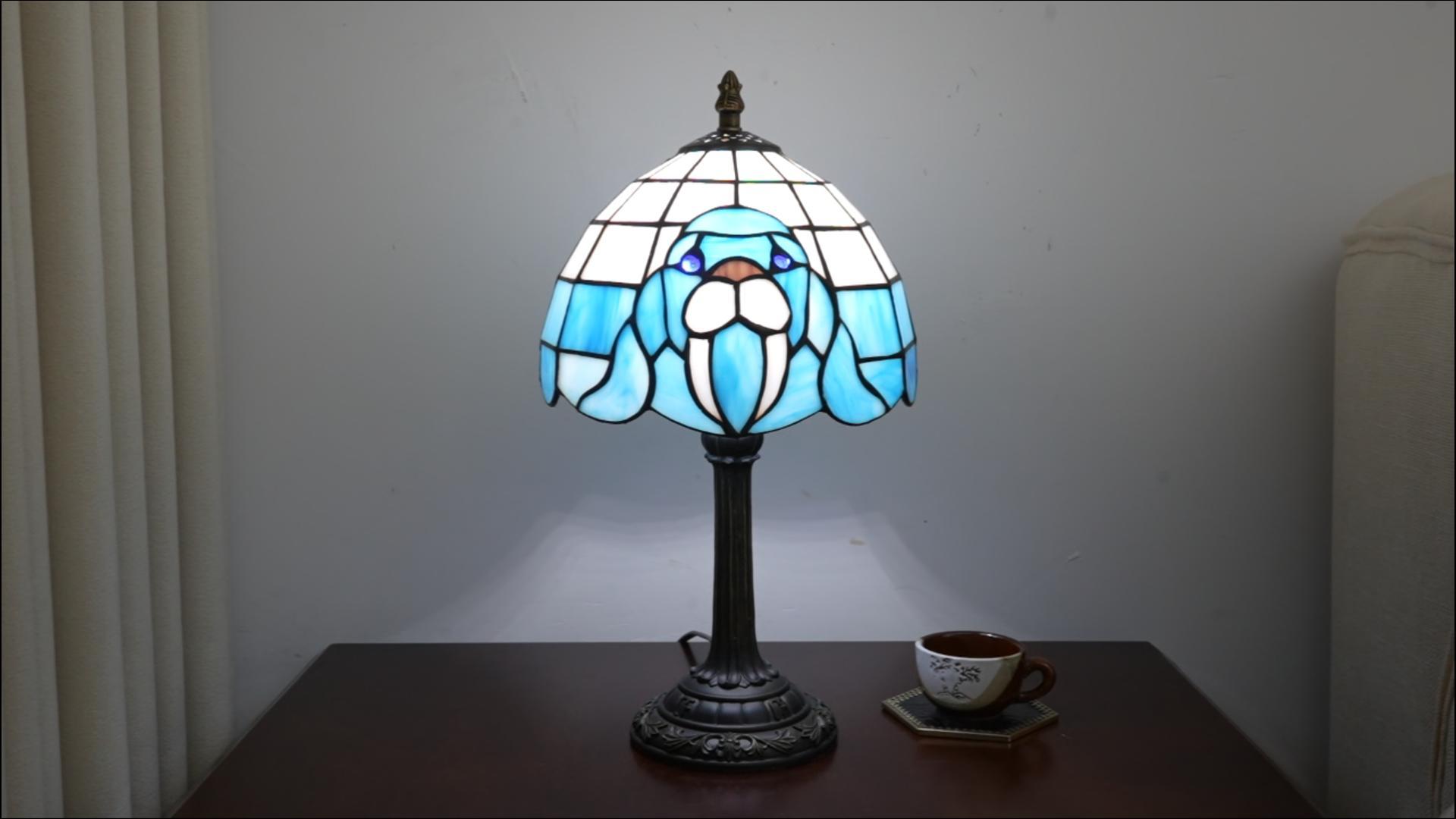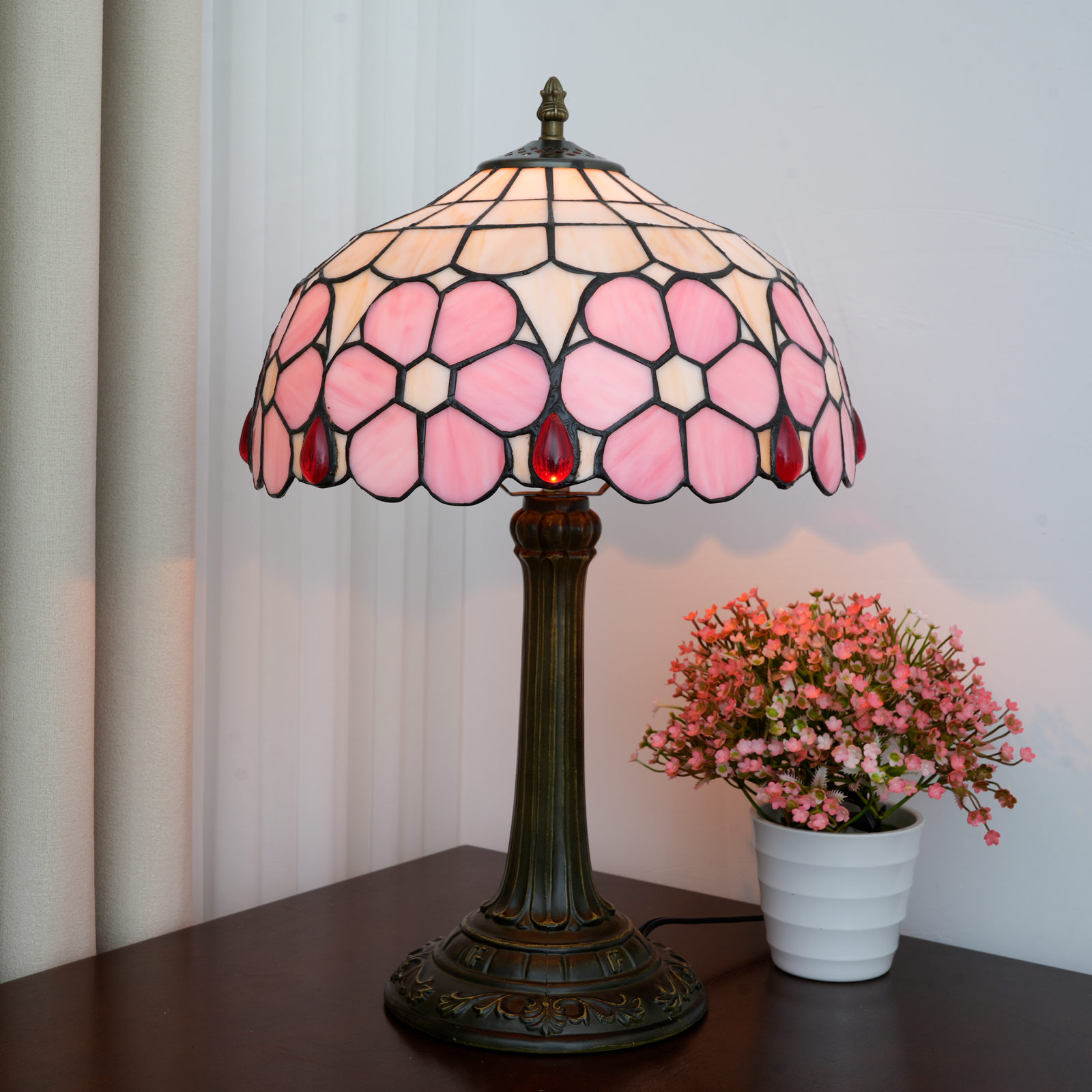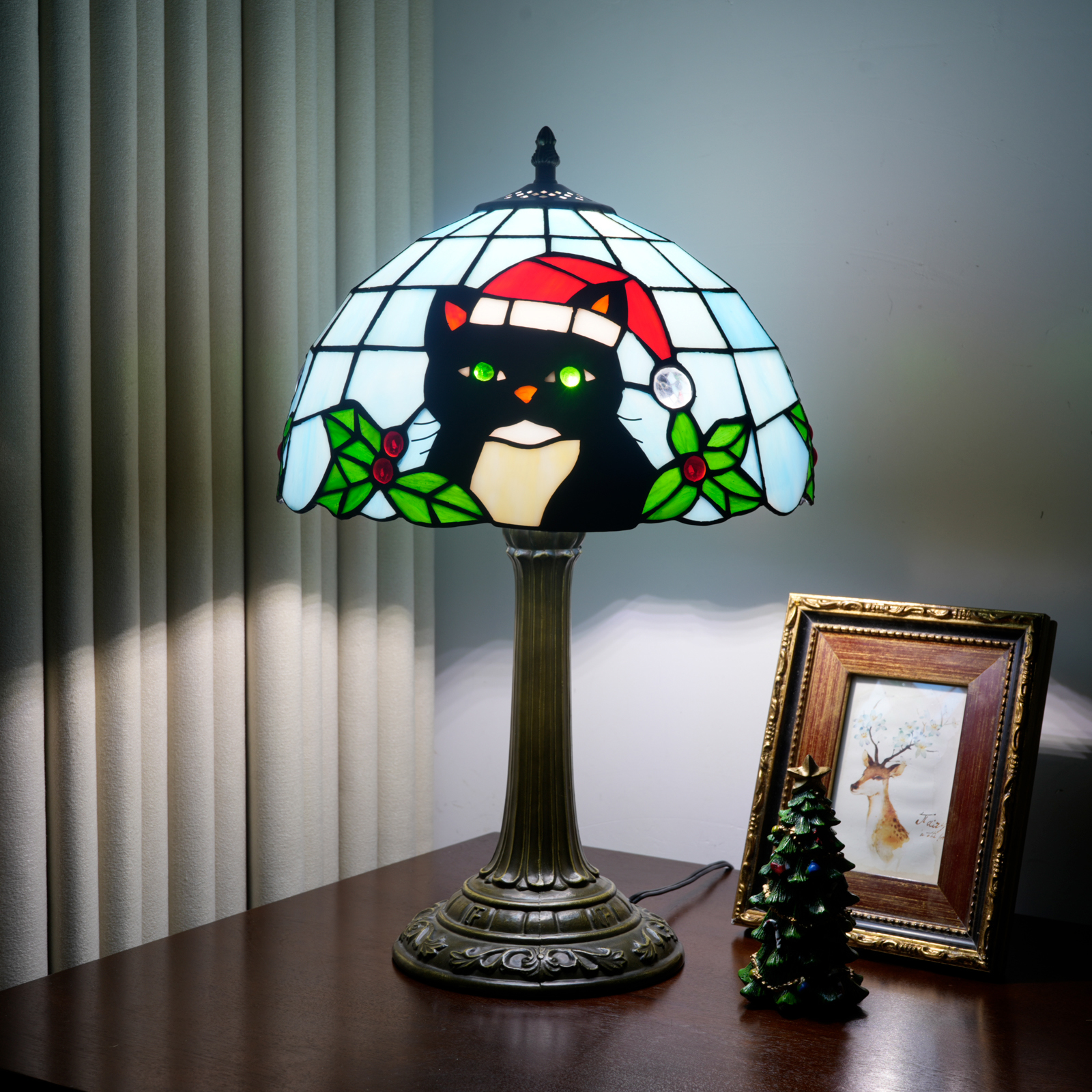





The Ultimate Guide to Table Lights: Illuminating Your Space with Style and Functioncute lamp
November 7, 2026
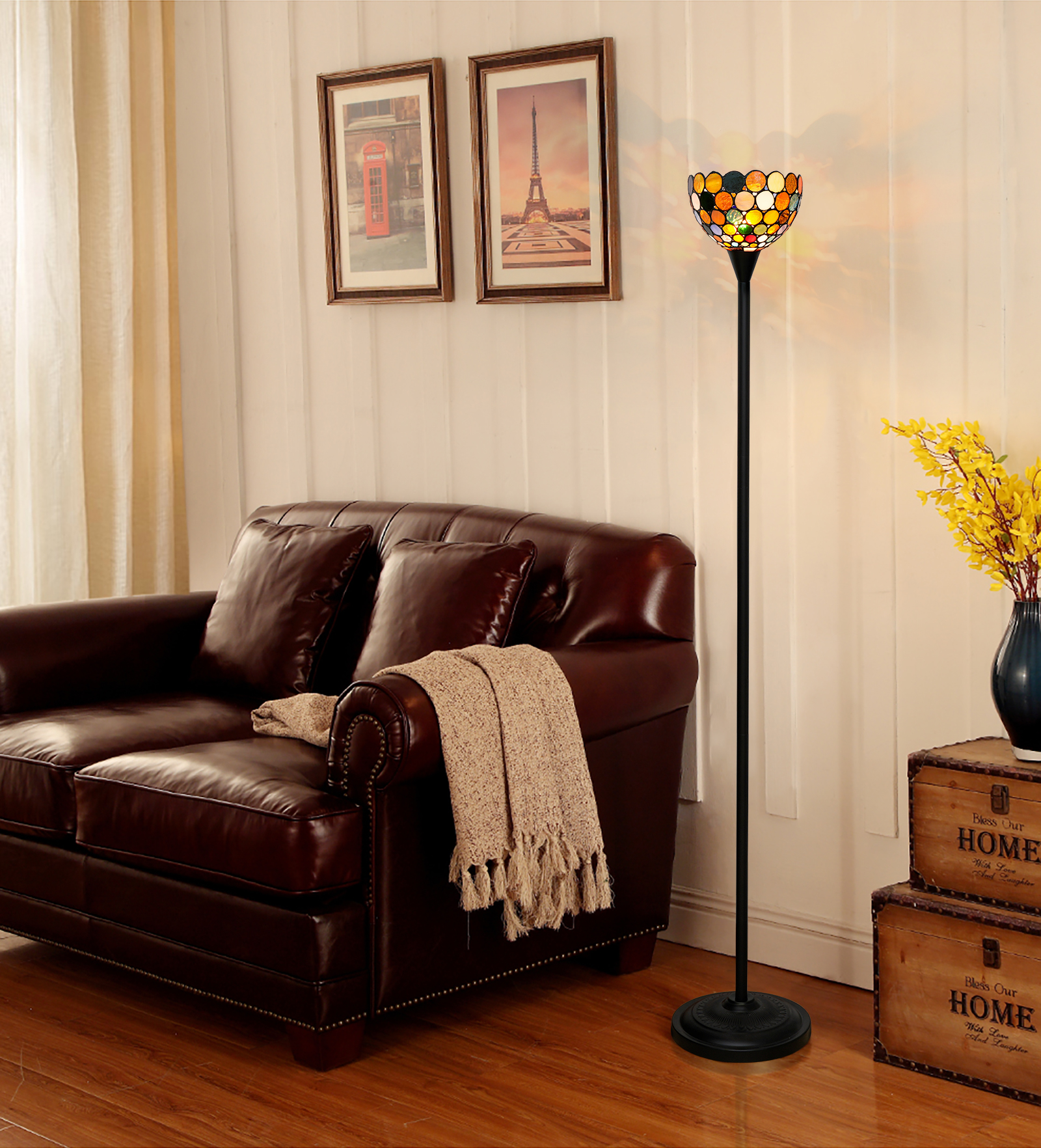
Introduction to Table Lights
Table lights, also known as table lamps, are more than just functional lighting fixtures; they are essential elements of interior design that can dramatically influence the ambiance, functionality, and aesthetic appeal of any room. Whether you're reading a book in your living room, working late at your office desk, or creating a cozy atmosphere in your bedroom, the right table light can make all the difference. In this guide, we'll explore everything you need to know about table lights, from understanding the different types to selecting the perfect one for your space and maintaining it for years to come.
Why Table Lights Matter
Table lights serve a dual purpose: they provide task lighting for activities like reading or working, and they contribute to the overall decor of a room. A well-chosen table light can act as a statement piece, adding personality and warmth to your space. Moreover, with the advancement of LED technology, table lights are now more energy-efficient and versatile than ever. They come in various styles, from modern and minimalist to vintage and ornate, ensuring there's a perfect match for every taste and interior design scheme. Proper lighting is crucial for reducing eye strain and enhancing productivity, making table lights an indispensable part of any well-designed room.
Types of Table Lights
When shopping for a table light, it's important to understand the different types available. Here are the most common categories:
1. Task Lights: These are designed for focused activities such as reading, writing, or working on a computer. They typically have adjustable arms or heads to direct light precisely where it's needed. Task lights are often found in offices, study areas, and bedrooms.
2. Ambient Lights: These table lights are intended to create a relaxing atmosphere rather than provide bright illumination. They often feature softer, diffused light and are ideal for living rooms, bedrooms, and dining areas. Ambient lights can be used to add a warm glow and enhance the mood of a space.
3. Accent Lights: These are used to highlight specific features in a room, such as a piece of art, a plant, or an architectural detail. Accent table lights are often decorative themselves and can serve as a focal point.
4. Desk Lamps: A subtype of task lights, desk lamps are specifically designed for office or study use. They often have a more utilitarian design and may include features like USB ports, wireless charging, or adjustable color temperatures.
How to Choose the Right Table Light
Selecting the perfect table light involves considering several factors to ensure it meets both your functional needs and aesthetic preferences. Here are key considerations:
1. Purpose: Determine the primary function of the light. Will it be used for reading, working, or simply as a decorative piece? This will guide you toward the appropriate type and brightness.
2. Size and Scale: The table light should be proportional to the table and the room. A lamp that's too small will look insignificant, while one that's too large can overwhelm the space. As a rule of thumb, the lamp's height should be about 1.5 times the height of the table to the bottom of the shade when seated.
3. Light Output and Color Temperature: Consider the lumens (brightness) and color temperature (measured in Kelvin). For task lighting, aim for 450-800 lumens and a color temperature of 3000K-5000K (warm to cool white). For ambient lighting, lower lumens (200-400) and warmer temperatures (2700K-3000K) create a cozy feel.
4. Style and Design: The table light should complement your existing decor. Whether your style is modern, traditional, industrial, or eclectic, there's a wide range of designs to choose from. Pay attention to the base material, shade shape, and overall silhouette.
5. Adjustability: If you need directed light, look for lamps with adjustable arms, goosenecks, or pivoting heads. Some models also offer dimmable features, allowing you to control the light intensity.
6. Energy Efficiency: LED table lights are highly energy-efficient and long-lasting. They also produce less heat, making them safer and more comfortable to use for extended periods.
Placement and Styling Tips
Once you've chosen your table light, proper placement is key to maximizing its benefits. Here are some tips:
1. Living Room: Place a table light on an end table or console table to create a warm, inviting atmosphere. Use a pair of matching lamps for symmetry if space allows. Consider a floor lamp or a larger table lamp as a statement piece.
2. Bedroom: Bedside table lights should be tall enough to provide adequate reading light without shining directly into your eyes. Place them on nightstands on either side of the bed for balanced lighting. Choose lamps with adjustable brightness for nighttime reading.
3. Office/Study: Position the table light to the side of your dominant hand to avoid shadows while writing or typing. The light should be directed at your work surface without causing glare on the computer screen. An adjustable desk lamp is ideal here.
4. Dining Room: A table light on a sideboard or buffet can add ambiance to your dining area. Use a dimmable lamp to adjust the mood for different occasions.
5. Entryway: A stylish table light on a console table can make a great first impression. It provides both functional lighting and a decorative touch.
Maintenance and Safety
To ensure your table light remains in good working condition and safe to use, follow these maintenance tips:
1. Cleaning: Dust the lamp regularly with a soft, dry cloth. For shades, use a lint roller or a vacuum with a brush attachment to remove dust. Avoid using harsh chemicals that could damage the finish.
2. Bulb Replacement: Turn off and unplug the lamp before changing the bulb. Use the correct wattage and type as recommended by the manufacturer. Consider upgrading to LED bulbs for energy savings.
3. Cord Safety: Keep cords away from walkways and ensure they are not pinched or damaged. Use cord covers if necessary to prevent tripping hazards.
4. Stability: Place the lamp on a stable surface and ensure it's not easily knocked over. If you have children or pets, consider a lamp with a weighted base or secure it to the table.
5. Electrical Safety: Check for any signs of wear on the cord or plug. Do not overload electrical outlets. If the lamp flickers or emits a burning smell, unplug it immediately and have it inspected by a professional.
常见问题
Q: What is the difference between a table light and a desk lamp?
A: While the terms are often used interchangeably, a desk lamp typically refers to a table light designed specifically for task lighting on a desk or office setting. Desk lamps often have more adjustable features and a more utilitarian design, whereas table lights can encompass a broader range of styles and purposes, including ambient and accent lighting.
Q: How many lumens do I need for reading?
A: For reading, aim for a light output of around 450-800 lumens. The light should be directed onto the reading material without causing glare. Adjustable task lights are ideal as they allow you to focus the light precisely where needed.
Q: Can I use a table light as a nightlight?
A: Yes, many table lights have dimmable features or can be paired with a low-wattage bulb to serve as a nightlight. Choose a lamp with a warm color temperature (2700K) and low brightness to create a soothing atmosphere for sleep.
Q: How do I choose the right size table light for my table?
A: A general guideline is that the lamp's height (from base to the bottom of the shade) should be approximately 1.5 times the height of the table from the floor to the tabletop when measured from a seated position. Also, ensure the lamp's width doesn't exceed the table's width to maintain proportion.
Q: Are LED table lights safe for eyes?
A: Yes, LED table lights are safe for eyes when used properly. Look for lamps with diffused shades to reduce glare and choose a color temperature that suits your activity (e.g., 3000K-4000K for reading). Avoid staring directly at the light source, and ensure the light is directed away from your eyes.