




The Ultimate Guide to Table Lamps: Illuminating Your Space with Style and Functionvintage table lamp
November 7, 2026

Why a Table Lamp Is More Than Just a Light Source
A table lamp is often overlooked as merely a functional item, but it plays a crucial role in interior design. Beyond providing illumination, it serves as a decorative accent that can define the mood of a room. A well-chosen table lamp can add warmth, character, and even serve as a conversation piece. In small spaces, it can act as a focal point, while in larger rooms, it can complement other lighting layers. The key is to view your table lamp as an integral part of your lighting design, not just an afterthought.
Types of Table Lamps: Finding the Perfect Match for Your Space
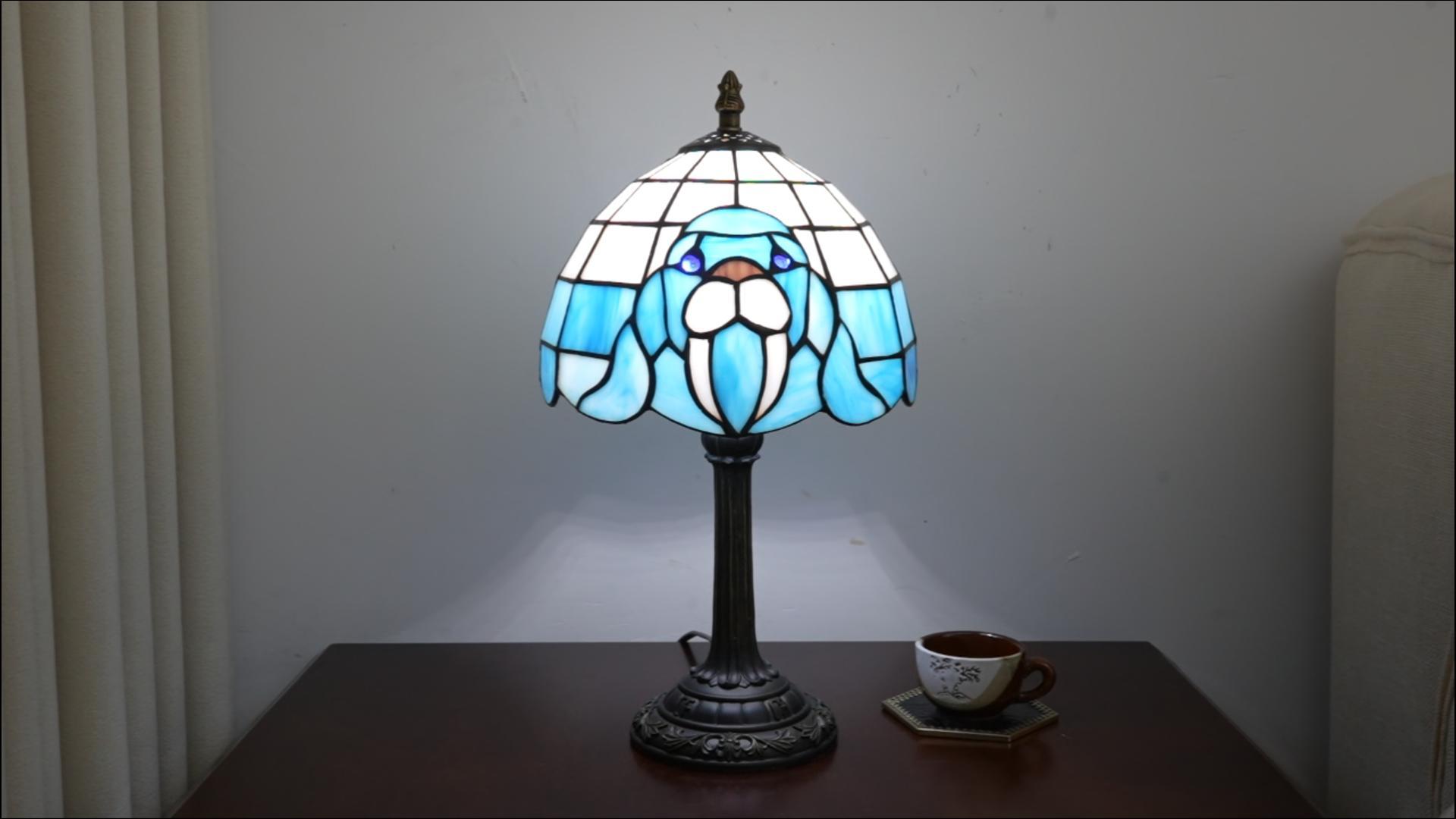
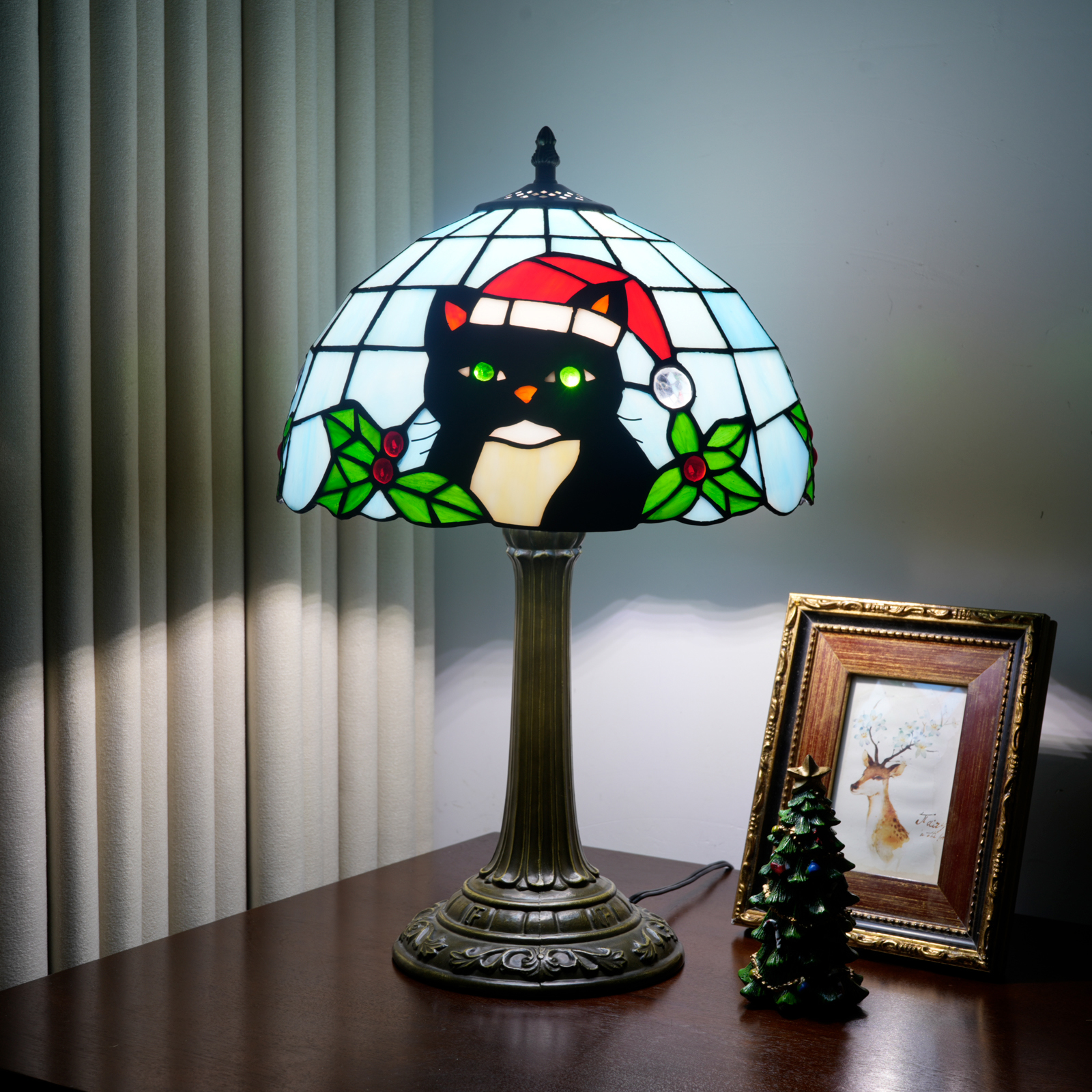
Table lamps come in various styles to suit different needs and decors. Bedside lamps are typically smaller and provide focused light for reading, often with adjustable brightness. Desk lamps are designed for task lighting, with adjustable arms and bright, directed light. Buffet lamps are taller and used in dining areas for ambient lighting. Novelty lamps add a playful touch to a child's room or a casual space. When selecting a type, consider the primary function: do you need task lighting, ambient lighting, or a statement piece? Understanding these categories will help you make an informed choice.
Key Factors to Consider When Buying a Table Lamp
Before purchasing a table lamp, evaluate these critical factors: Size and scale: The lamp should be proportional to the furniture it sits on. A general rule is that the lamp's height (including shade) should be about two-thirds the height of the table or surface. Light output and quality: Look for lamps that provide sufficient lumens for your needs and consider color temperature—warm white (2700K-3000K) for cozy spaces, cooler white (4000K-5000K) for task areas. Shade material and shape: Fabric shades diffuse light softly, while metal or glass shades create more directed or ambient effects. Style and finish: Ensure the lamp complements your existing decor, whether modern, traditional, rustic, or eclectic. Durability and safety: Check for UL or ETL certification, and consider the stability of the base, especially in households with children or pets.
How to Choose the Right Shade for Your Table Lamp
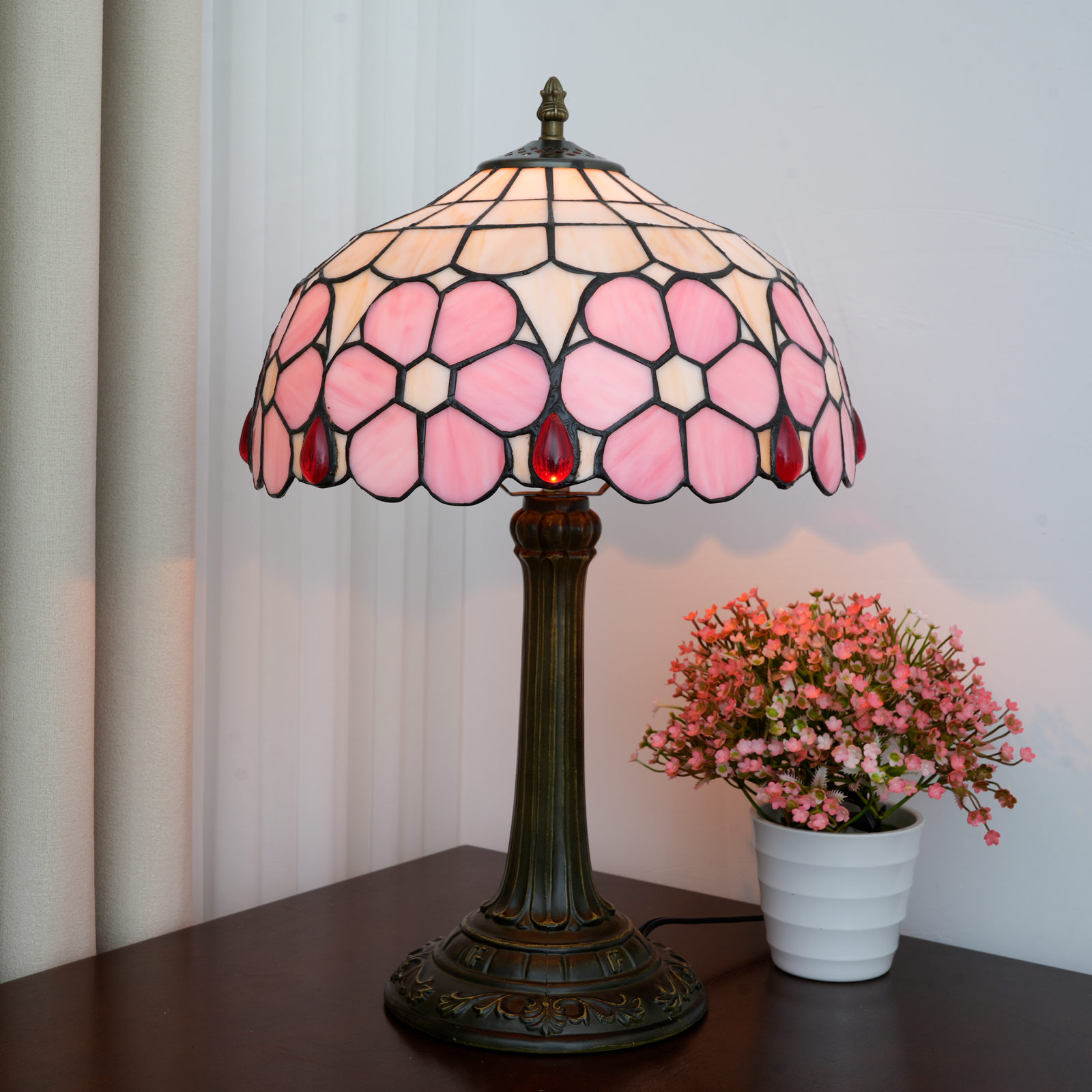
The shade is often the most visible part of a table lamp and greatly affects both light quality and aesthetics. Shade size should be proportional to the base: as a rule, the shade's width should be roughly equal to the height of the base from the bottom to the socket. Shade shape influences light direction: drum shades cast light evenly, empire shades direct light upward, and rectangular shades suit desk lamps. Shade color impacts the light's warmth: white or cream shades produce neutral light, while colored shades tint the light and create ambiance. Shade material: fabric shades are classic and soft, but they require more maintenance; metal shades are durable and modern; glass shades offer a sleek look and easy cleaning. Always test the lamp with the shade in your space to see the actual light effect.
Placement Tips: Where to Position Your Table Lamp for Maximum Effect
Proper placement enhances both function and style. In a living room, place a table lamp on an end table beside a sofa to create a cozy reading nook, ensuring the light is at eye level when seated. In a bedroom, bedside lamps should be positioned so the bottom of the shade is at shoulder height when sitting in bed, reducing glare. In a home office, a desk lamp should be placed opposite your dominant hand to minimize shadows—if you're right-handed, place the lamp on your left side. For ambient lighting, use table lamps in corners or on consoles to add layers of light. Avoid placing lamps directly in front of windows or mirrors, as this can create harsh reflections.
Table Lamp Maintenance and Safety: Best Practices
To keep your table lamp looking and working its best, follow these maintenance tips. Cleaning: Dust the base and shade regularly with a microfiber cloth; for fabric shades, use a lint roller or vacuum with a brush attachment. Bulb replacement: Always turn off and unplug the lamp before changing bulbs, and use the correct wattage to prevent overheating. Safety: Ensure cords are not pinched or frayed, and keep lamps away from water sources. For lamps with touch switches or dimmers, follow the manufacturer's instructions. Energy efficiency: Consider LED bulbs, which last longer and consume less energy. Regular maintenance not only extends the lamp's life but also ensures safety and optimal performance.
Frequently Asked Questions
What is the ideal height for a table lamp?
The ideal height depends on its use. For bedside lamps, the bottom of the shade should be at shoulder height when sitting in bed. For desk lamps, the light should come over your shoulder to illuminate your work area without glare. As a general rule, the lamp's total height should be about two-thirds the height of the table it sits on.
Can I use any bulb in my table lamp?
Not always. Check the lamp's maximum wattage and bulb type (e.g., LED, incandescent, halogen). Using a bulb with higher wattage than recommended can cause overheating and pose a fire risk. LED bulbs are a safe, energy-efficient choice for most lamps.
How do I choose the right shade size?
The shade's width should be roughly equal to the height of the lamp base (from bottom to socket). The shade should also cover the bulb and socket, and its bottom edge should sit at or slightly below eye level when seated, to avoid glare.
What is the difference between task and ambient lighting?
Task lighting provides focused, bright light for activities like reading or working, while ambient lighting creates overall illumination and mood. Table lamps can serve both purposes depending on the bulb and shade used—for example, a desk lamp with a bright bulb is task lighting, while a bedside lamp with a warm, diffused shade provides ambient light.