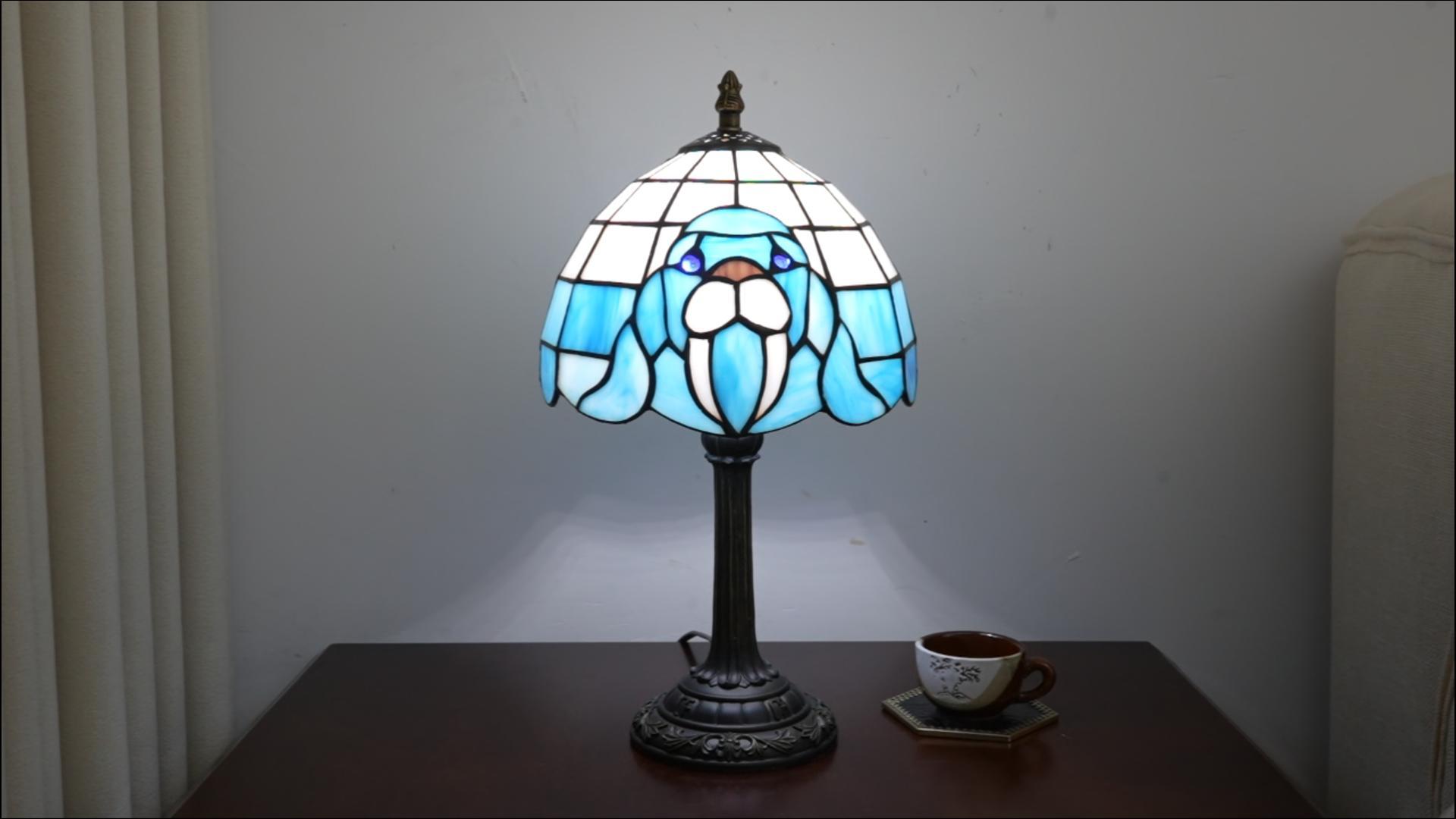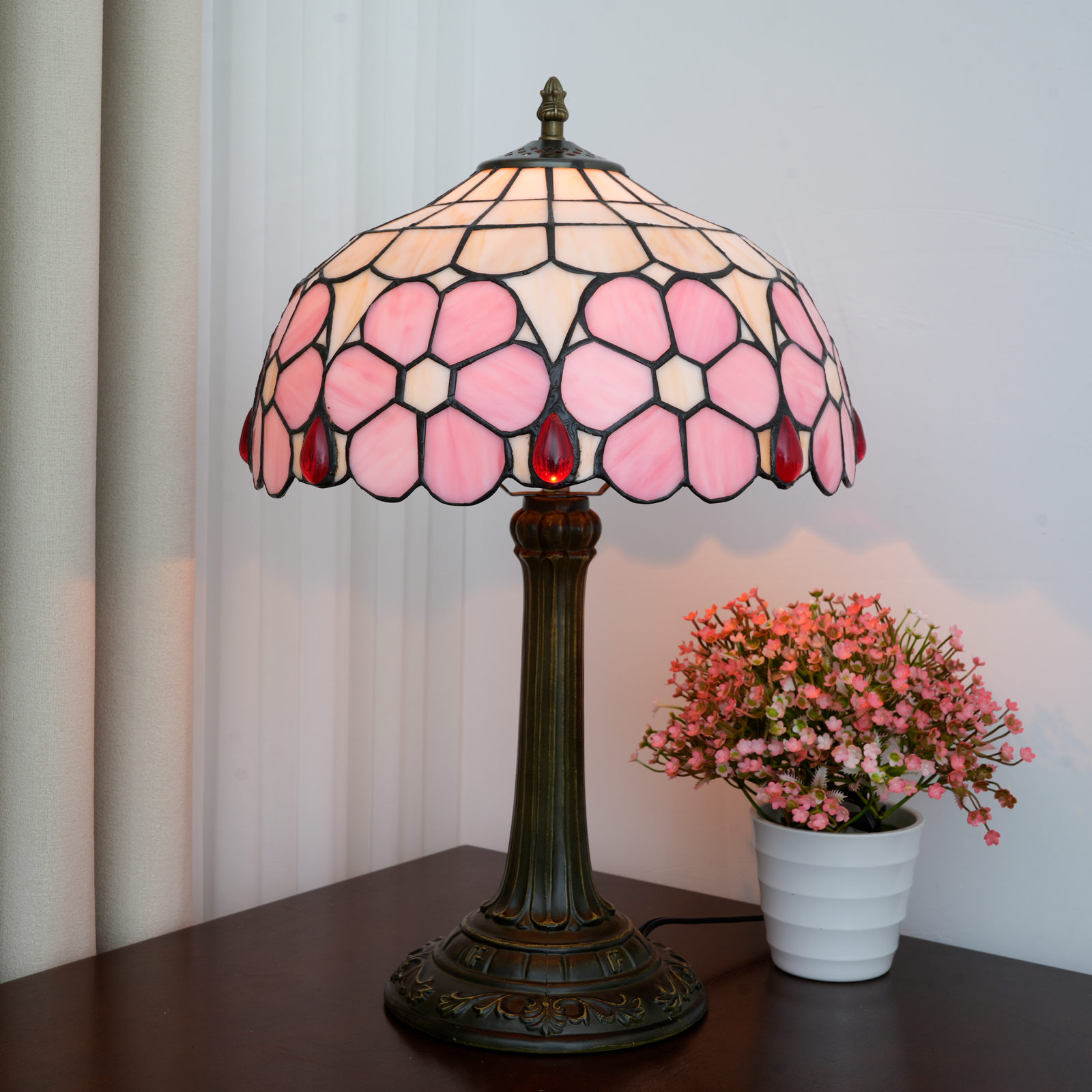





The Ultimate Guide to Stained Glass Lamps: History, Selection, and Careside table lamp
October 27, 2026
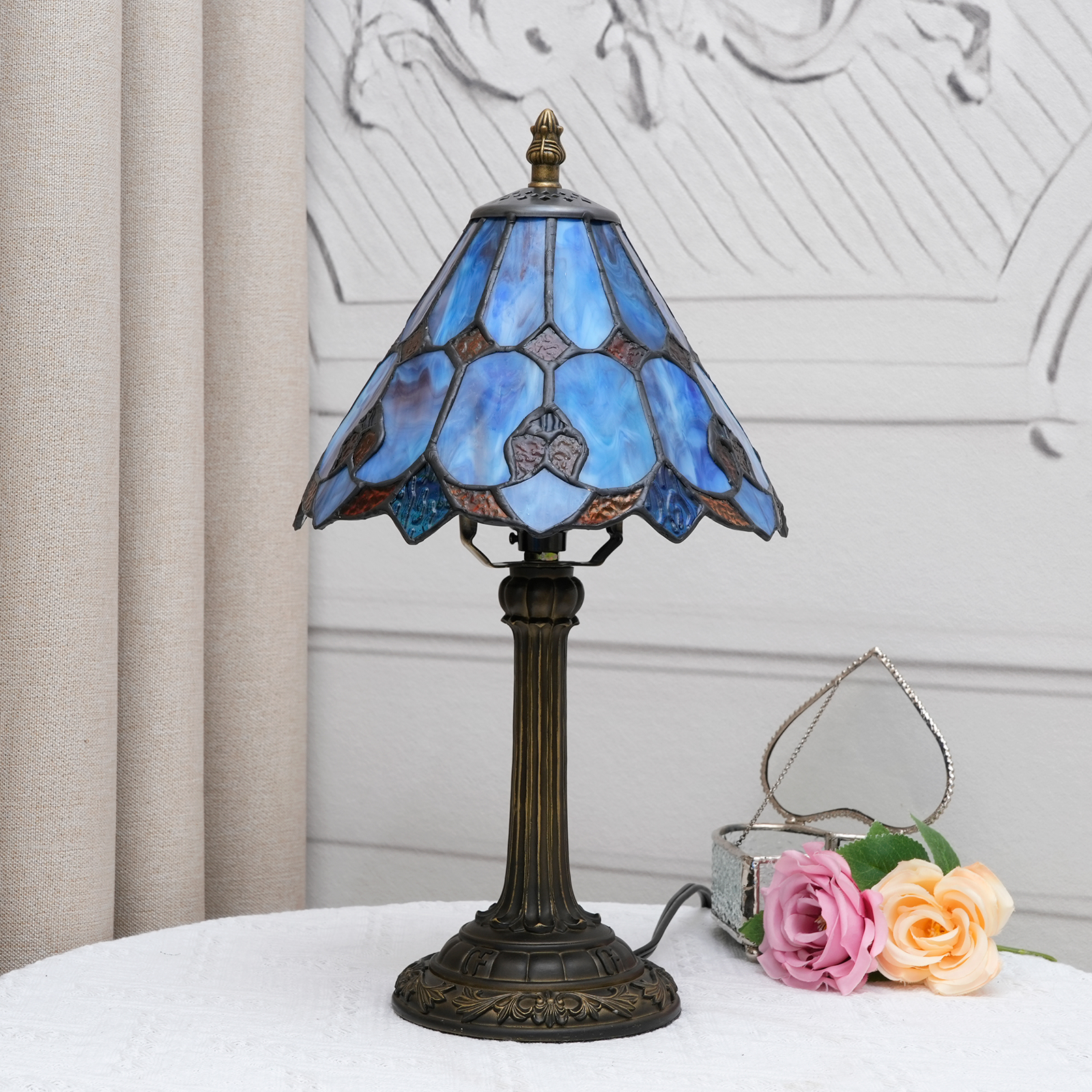
Introduction to Stained Glass Lamps
Stained glass lamps have captivated people for centuries with their vibrant colors and intricate designs. These lamps are not merely sources of light but pieces of art that enhance the ambiance of any room. Whether you are a collector, a decorator, or someone looking to add a touch of elegance to your home, understanding the world of stained glass lamps can help you make informed decisions.
In this article, we will delve into the history of stained glass lamps, provide tips on selecting the perfect one for your space, discuss how to care for them, and answer some frequently asked questions. By the end, you will have a comprehensive understanding of these beautiful objets d'art.
A Brief History of Stained Glass Lamps
The art of stained glass dates back to ancient times, with early examples found in religious buildings. However, it was during the late 19th and early 20th centuries that stained glass lamps became popular in residential settings, largely due to the work of Louis Comfort Tiffany. Tiffany's studios produced exquisite lamps with leaded glass shades featuring natural motifs like flowers and dragonflies. These lamps became symbols of the Art Nouveau movement and are still highly sought after today.
Today, stained glass lamps come in various styles, from traditional Tiffany reproductions to modern interpretations. They continue to be appreciated for their craftsmanship and the unique play of light they create.
Choosing the Perfect Stained Glass Lamp
When selecting a stained glass lamp, consider the following factors to ensure you choose one that suits your needs and enhances your space:
Size and Scale: The lamp should be proportional to the room and the furniture it will sit on. A large lamp in a small room can overpower the space, while a tiny lamp on a large table may look lost.
Style and Design: Stained glass lamps come in many styles, from geometric patterns to floral and landscape scenes. Choose a design that complements your existing decor. For example, a Tiffany-style lamp with dragonflies might suit a vintage-inspired room, while a modern abstract design could work well in a contemporary setting.
Color Palette: The colors in the lamp's shade will affect the light it casts. Warm colors like amber and red create a cozy atmosphere, while cool colors like blue and green can add a calming effect. Consider the mood you want to create.
Quality of Craftsmanship: Look for lamps with well-soldered joints and high-quality glass. The glass should have a consistent texture and vibrant colors. Handmade lamps often have slight variations, which add to their charm, but avoid pieces with obvious defects.
Type of Lamp: Stained glass lamps come in various types, including table lamps, floor lamps, pendant lights, and wall sconces. Decide which type best fits your space and functional needs.
Caring for Your Stained Glass Lamp
Proper care will ensure your stained glass lamp remains beautiful for years. Here are some tips:
Cleaning: Dust the lamp regularly with a soft, dry cloth. For deeper cleaning, use a mild soap solution and a soft brush to gently scrub the glass, then wipe dry with a lint-free cloth. Avoid harsh chemicals or abrasive materials that could damage the glass or the finish.
Handling: When moving or cleaning the lamp, handle it with care. Stained glass can be fragile, and the lead solder can weaken over time. Always support the shade with both hands.
Placement: Avoid placing the lamp in direct sunlight for extended periods, as this can cause the colors to fade. Also, keep it away from high-traffic areas where it might be knocked over.
Professional Repair: If the lamp becomes damaged, such as a cracked glass piece or loose solder, seek professional repair services. Attempting to fix it yourself could cause further damage.
Decorating with Stained Glass Lamps
Stained glass lamps can be used as focal points or as accent pieces. Here are some ideas:
Living Room: Place a large Tiffany-style floor lamp in a corner to create a cozy reading nook. The warm light will add a welcoming glow.
Bedroom: Use a stained glass table lamp on a nightstand for a soft, romantic ambiance. Choose colors that promote relaxation, such as purple or blue.
Dining Room: Hang a stained glass pendant light above the dining table to create a stunning centerpiece. The light will filter through the glass, casting colorful patterns on the table.
Hallway: A wall sconce with stained glass can add a touch of elegance to a hallway while providing gentle illumination.
Common Mistakes to Avoid
When buying and using stained glass lamps, avoid these common pitfalls:
Ignoring the Light Source: The type of bulb you use can affect the appearance of the lamp. Use bulbs with a warm color temperature (around 2700K) to enhance the colors of the glass. Avoid bulbs that are too bright, as they can wash out the colors.
Overpowering the Room: A stained glass lamp should complement, not dominate, the decor. If the lamp is very colorful, keep the surrounding decor relatively neutral.
Neglecting Maintenance: Regular cleaning and careful handling will prolong the life of your lamp. Don't wait until it's visibly dirty to clean it.
Frequently Asked Questions
What is the difference between a stained glass lamp and a Tiffany lamp?
Tiffany lamps are a specific type of stained glass lamp produced by the Tiffany Studios. They are known for their high-quality craftsmanship and distinctive designs. However, many stained glass lamps today are made in the Tiffany style but are not authentic Tiffany pieces. Authentic Tiffany lamps are rare and expensive, while reproductions are more affordable.
How do I know if a stained glass lamp is of good quality?
Look for signs of quality such as tight, uniform solder lines, glass with rich and consistent colors, and a sturdy base. The lamp should feel heavy for its size, indicating solid materials. Also, check for any cracks or chips in the glass, which can indicate poor quality or damage.
Can I use a stained glass lamp as my main light source?
Stained glass lamps are generally better suited for ambient or accent lighting rather than as a primary light source, as they may not provide enough brightness for tasks. However, you can use a higher-wattage bulb if the lamp is rated for it, or use multiple lamps to light a room.
How do I replace a bulb in a stained glass lamp?
First, unplug the lamp and allow it to cool. Remove the shade carefully and set it aside. Unscrew the old bulb and replace it with a new one of the same wattage or lower, as recommended by the manufacturer. Reattach the shade and plug the lamp back in.
Are stained glass lamps safe to use?
Yes, when used properly. Ensure the lamp is wired correctly and not damaged. Use bulbs that do not exceed the maximum wattage recommended. Keep the lamp away from flammable materials and never leave it unattended for long periods.
With this guide, you are now equipped to choose, care for, and enjoy your stained glass lamp. Whether you are drawn to its historical significance or its aesthetic appeal, a stained glass lamp is sure to be a cherished addition to your home.