




The Timeless Glow of a Tiffany Table Lamp: A Buyer's Guide
October 15, 2026
Introduction: The Magic of Tiffany Table Lamps
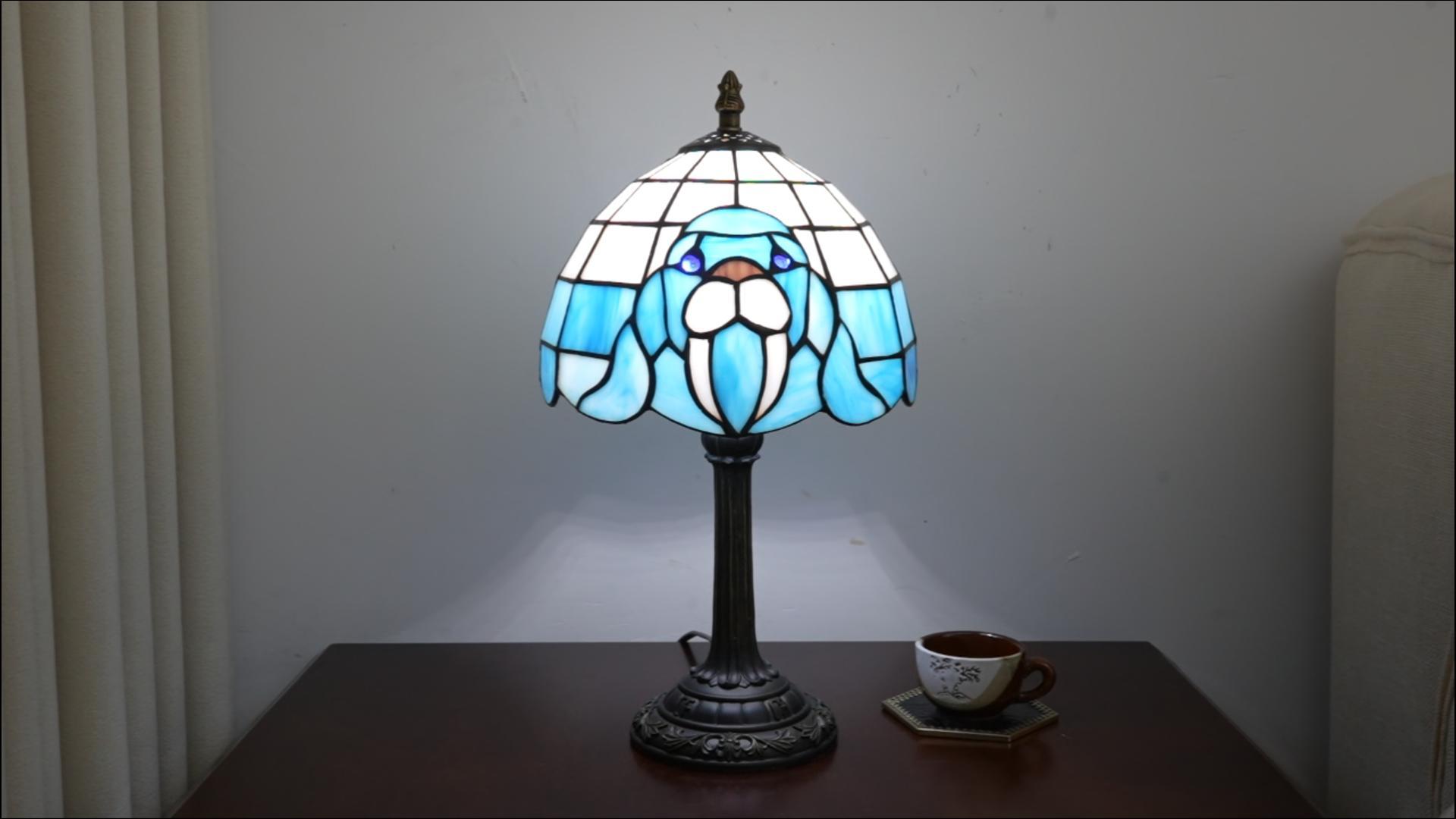
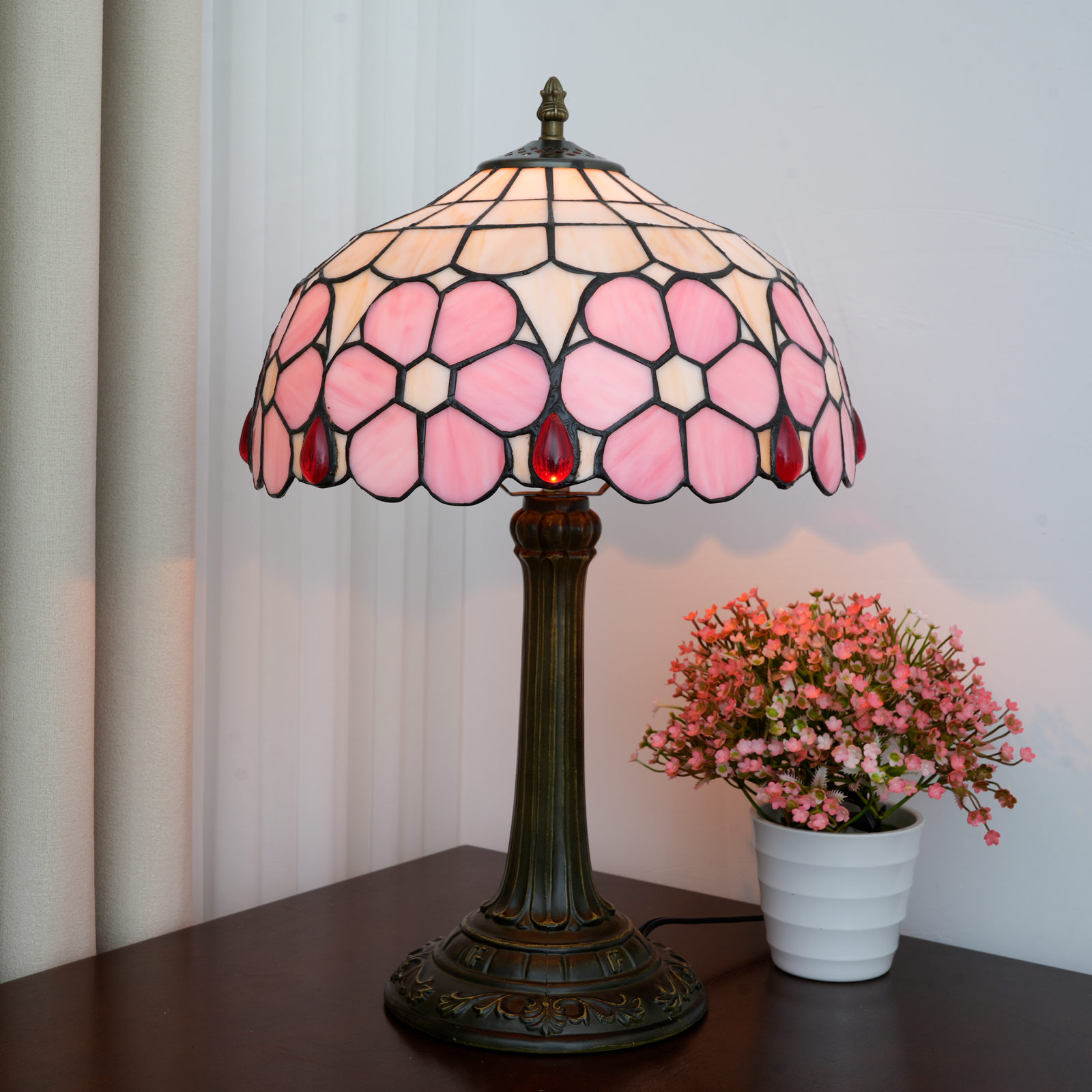
When you think of classic, artistic lighting, the Tiffany table lamp immediately comes to mind. With its vibrant stained-glass shade and intricate metalwork, this lamp is more than just a source of light—it's a piece of history and a work of art. Originally designed by Louis Comfort Tiffany in the late 19th century, these lamps have become synonymous with elegance, craftsmanship, and timeless beauty. Whether you're a collector or simply looking to add a touch of vintage charm to your home, a Tiffany table lamp can transform any room. In this article, we'll explore the history, styles, buying tips, and care instructions for these beloved lamps.
A Brief History of Tiffany Lamps
Louis Comfort Tiffany was an American artist and designer who revolutionized the world of decorative arts. In the 1890s, he began creating lamps with bases made of bronze and shades composed of hundreds of pieces of colored glass, often arranged in floral or geometric patterns. These lamps were initially produced by his company, Tiffany Studios, and quickly gained popularity among the wealthy. However, during the Great Depression, the demand for such luxurious items declined, and Tiffany lamps fell out of fashion. It wasn't until the 1950s that they experienced a revival, thanks to collectors who appreciated their artistry. Today, original Tiffany lamps are highly sought after by antique dealers, while reproductions make the style accessible to a wider audience.
What Makes a Tiffany Table Lamp Special?
The hallmark of a Tiffany table lamp is its shade, which is made using the copper foil technique. Each piece of glass is wrapped in copper foil, then soldered together to form a mosaic-like design. This method allows for intricate details and a stunning interplay of light and color. The bases are typically made of bronze or other metals and can be simple or highly ornate. When the lamp is turned on, the light shines through the stained glass, creating a warm, ambient glow that is perfect for reading or setting a cozy mood. Unlike modern lamps that provide direct light, Tiffany lamps offer a soft, diffused illumination that enhances the atmosphere of a room.
Popular Styles and Designs
Tiffany table lamps come in a variety of styles, each with its own unique character. Some of the most popular include:
- Dragonfly: One of Tiffany's most iconic designs, featuring dragonflies with iridescent wings set against a background of blue or green glass.
- Wisteria: A floral design with cascading wisteria blossoms in shades of purple and white.
- Peony: A lush, romantic pattern with large peony flowers in pinks, reds, and greens.
- Geometric: Clean lines and repeating patterns, perfect for a more modern or Arts and Crafts interior.
- Poppy: Vibrant red poppies that stand out against a green and blue background.
Each style has its own personality, so choose one that resonates with your decor and personal taste.
How to Choose the Right Tiffany Table Lamp
With so many options available, selecting the perfect Tiffany table lamp can be overwhelming. Here are some factors to consider:
- Size: Consider the scale of the lamp in relation to the table or nightstand it will sit on. A lamp that's too large can overpower a small space, while a tiny lamp may get lost on a large desk.
- Color: Think about the dominant colors in your room. A lamp with complementary hues will enhance your existing decor, while a contrasting color can serve as a bold accent.
- Lighting needs: If you plan to use the lamp for reading, ensure it has a suitable bulb and that the shade directs light downward. Some Tiffany lamps have a single bulb, while others have multiple, allowing for adjustable brightness.
- Budget: Original antique Tiffany lamps can cost thousands of dollars, but high-quality reproductions are available at various price points. Set a budget and stick to it.
- Authenticity: If you're buying an antique, do your research to avoid fakes. Look for a signature on the base and shade, and consult an expert if possible.
Decorating with Tiffany Table Lamps
A Tiffany table lamp can be a stunning focal point in any room. Here are some decorating ideas:
- Living room: Place a lamp on a side table or console to add warmth and color. It works well with traditional, Arts and Crafts, and even bohemian styles.
- Bedroom: Use a Tiffany lamp as a bedside reading light. The soft glow is easy on the eyes and creates a relaxing ambiance.
- Home office: A lamp with a green or blue shade can provide a calming effect while you work.
- Entryway: Greet guests with a beautiful Tiffany lamp on a console table. It adds a touch of elegance and makes a great first impression.
Remember, less is more. If you have a Tiffany lamp, let it be the star. Avoid cluttering the surrounding area with too many other decorative items.
Care and Maintenance
To keep your Tiffany table lamp looking its best, follow these care tips:
- Dust regularly: Use a soft, dry cloth to gently dust the shade and base. Avoid using water or cleaning solutions, as they can damage the glass and metal.
- Handle with care: The solder joints can be fragile, so always lift the lamp by the base, not the shade.
- Use the right bulb: Tiffany lamps typically require a bulb with a maximum wattage of 60 to 100 watts. Using a higher wattage can cause the shade to overheat and crack. LED bulbs are a good choice as they produce less heat.
- Avoid direct sunlight: Prolonged exposure to direct sunlight can fade the colors of the glass.
- Professional cleaning: If the lamp is very dirty or has tarnished metal, consider having it professionally cleaned by a specialist.
Common Questions About Tiffany Table Lamps
Are Tiffany table lamps still made today?
Yes, many companies produce Tiffany-style lamps using the same techniques. However, original Tiffany Studios lamps are no longer made, as the company closed in the 1930s. Reproductions vary in quality, so choose a reputable manufacturer.
How can I tell if a Tiffany lamp is authentic?
Authentic Tiffany lamps usually have a signature or tag on the base and sometimes on the shade. The glass should be iridescent and the craftsmanship impeccable. If in doubt, consult an antique appraiser.
Can I use a Tiffany table lamp as my main light source?
While Tiffany lamps provide beautiful ambient light, they may not be bright enough for tasks like reading or working. They are best used as accent lighting.
How much should I expect to pay for a Tiffany table lamp?
Reproductions can range from $100 to $500, while original antiques can cost anywhere from $1,000 to over $100,000, depending on rarity and condition.
What type of bulb is best for a Tiffany table lamp?
Use a soft white or warm white LED bulb with a wattage that does not exceed the lamp's maximum rating. This will provide a warm glow without damaging the shade.
Conclusion
A Tiffany table lamp is more than just a lighting fixture; it's a piece of art that brings history, color, and warmth into your home. Whether you own an original or a reproduction, these lamps are sure to be conversation starters. By understanding their history, choosing the right style, and caring for them properly, you can enjoy your Tiffany lamp for generations to come. So go ahead, illuminate your space with a touch of Tiffany magic.