




The Timeless Allure of Vintage Lamps: A Guide to Selection, Care, and Decorside table lamp
November 13, 2026
Why Vintage Lamps Still Shine in Modern Interiors
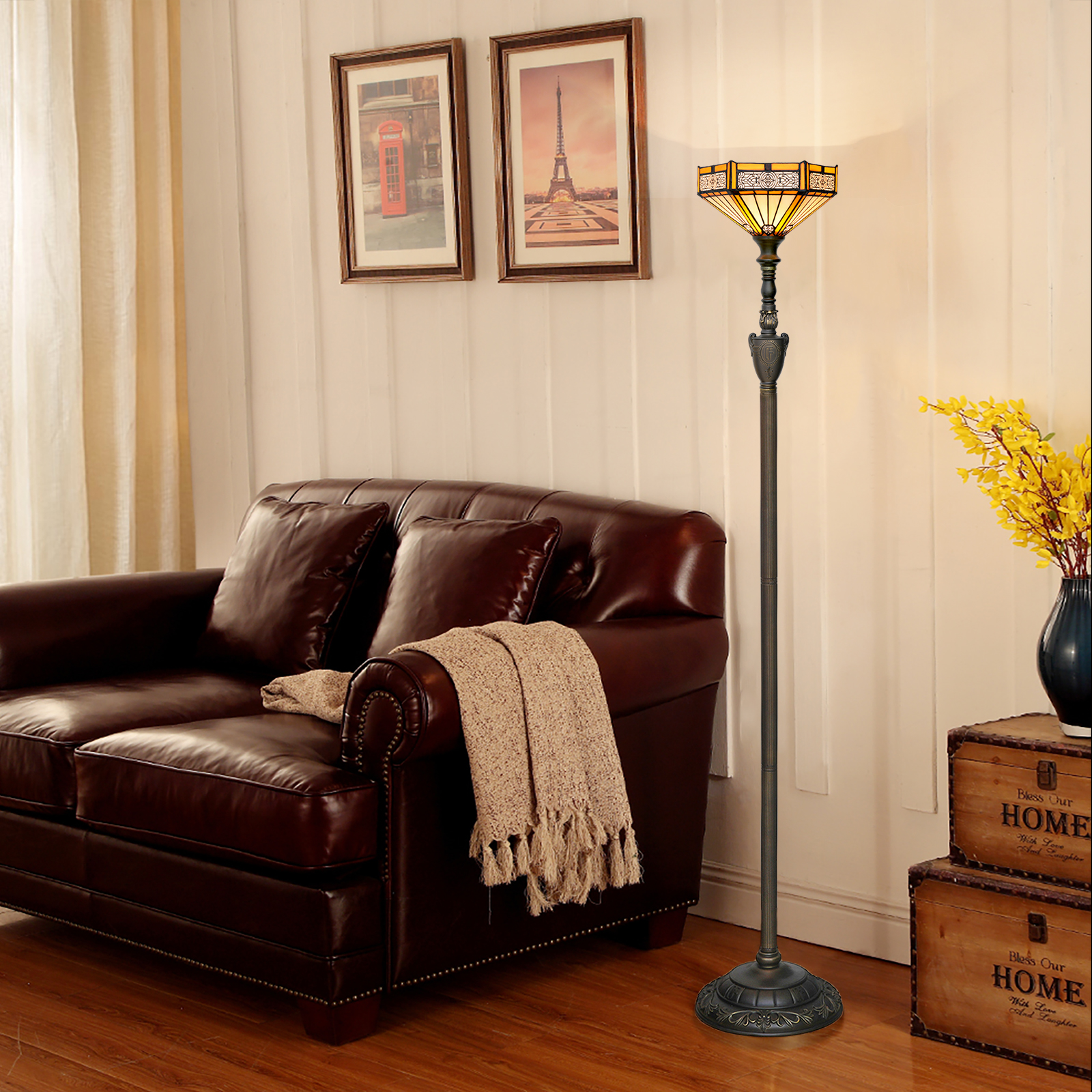
In an era of mass-produced décor, vintage lamps stand out as unique artifacts that bring history, character, and craftsmanship into the home. Each piece carries a story—whether it's an Art Deco table lamp from the 1920s or a mid-century modern floor lamp—adding depth and personality that new items simply cannot match. Beyond aesthetics, many vintage lamps are built with superior materials like brass, hand-blown glass, and solid wood, ensuring durability that often surpasses contemporary counterparts. They also offer an opportunity for sustainability, giving new life to beautifully crafted objects and reducing waste. From cozy reading nooks to statement living room pieces, vintage lamps seamlessly blend with various design styles, making them a versatile and timeless choice.
How to Identify Quality Vintage Lamps
Distinguishing a true gem from a mediocre find requires a keen eye. Start by examining the materials and construction: solid brass or bronze bases, hand-blown glass shades, and finely carved wood are hallmarks of quality. Look for signatures or maker's marks—brands like Tiffany, Handel, or Artemide can significantly increase value. Check the wiring; original cords may be brittle, so ensure it has been updated or budget for rewiring. The patina—the surface wear acquired over time—should be consistent and attractive, not indicative of damage. Test all switches and sockets, and inspect for cracks, chips, or repairs that might affect functionality. Finally, consider the lamp's proportion and scale; a well-designed lamp will feel balanced and harmonious, regardless of its age.
Practical Tips for Caring for Your Vintage Lamp
Proper care preserves both beauty and value. Always unplug the lamp before cleaning. For metal parts, use a soft cloth with a mild soap solution; avoid abrasive cleaners that can strip the patina. Glass shades should be washed gently with warm water and mild detergent, then dried thoroughly to prevent water spots. For fabric shades, dust regularly with a soft brush or vacuum using a upholstery attachment. Rewiring is often necessary for safety; consult a professional electrician to replace old cords and sockets with modern, grounded components. Avoid placing vintage lamps in direct sunlight or damp areas, as this can cause fading or corrosion. With routine care, your vintage lamp will continue to illuminate and enchant for generations.
Integrating Vintage Lamps into Contemporary Decor
Vintage lamps can seamlessly bridge the old and new. Use a statement piece as a focal point, such as a chandelier in a minimalist dining room or a sculptural table lamp on a sleek console. Mixing eras works well: pair a mid-century lamp with modern furniture for an eclectic vibe, or use a Victorian brass lamp to add warmth to an industrial loft. Consider scale and proportion; a large vintage floor lamp can anchor a reading corner, while smaller accent lamps add layers of light. Pay attention to lighting layers—combine vintage lamps with modern recessed lighting to create depth. Finally, don't be afraid to experiment with placement; a vintage lamp in a bathroom or kitchen can add unexpected charm.
Common Mistakes to Avoid When Buying Vintage Lamps
Even seasoned collectors can stumble. Avoid overlooking the wiring; always check for frayed cords or outdated sockets, as rewiring can add significant cost. Don't ignore reproduction pieces; some sellers pass off new lamps as vintage, so verify authenticity through maker's marks and construction details. Skip the impulse buy; ensure the lamp fits your space and style, and consider whether it can be adapted (e.g., rewired, repainted) without losing its character. Beware of hidden damage; inspect thoroughly for cracks, dents, or repairs that might not be immediately visible. Lastly, don't dismiss lamps with minor flaws; a little patina or a small chip can add character and reduce the price, making it a worthwhile restoration project.
Frequently Asked Questions
How can I tell if a vintage lamp is valuable?Value depends on maker, age, condition, and rarity. Look for signatures, research comparable sales, and consult an appraiser for high-end pieces.
Is it safe to use a vintage lamp daily?Only if it has been rewired with modern components and inspected by a professional. Original wiring is often unsafe.
Can I use a higher-wattage bulb in my vintage lamp?No, exceeding the recommended wattage can overheat the fixture and pose a fire risk. Always use the bulb specified or lower.
How do I clean a delicate vintage lampshade?For fabric shades, gently vacuum with a brush attachment. For glass or metal, wipe with a soft damp cloth and mild soap. Avoid soaking.
Where can I find authentic vintage lamps?Estates sales, antique shops, flea markets, and reputable online auctions are good sources. Always verify authenticity and condition before purchasing.