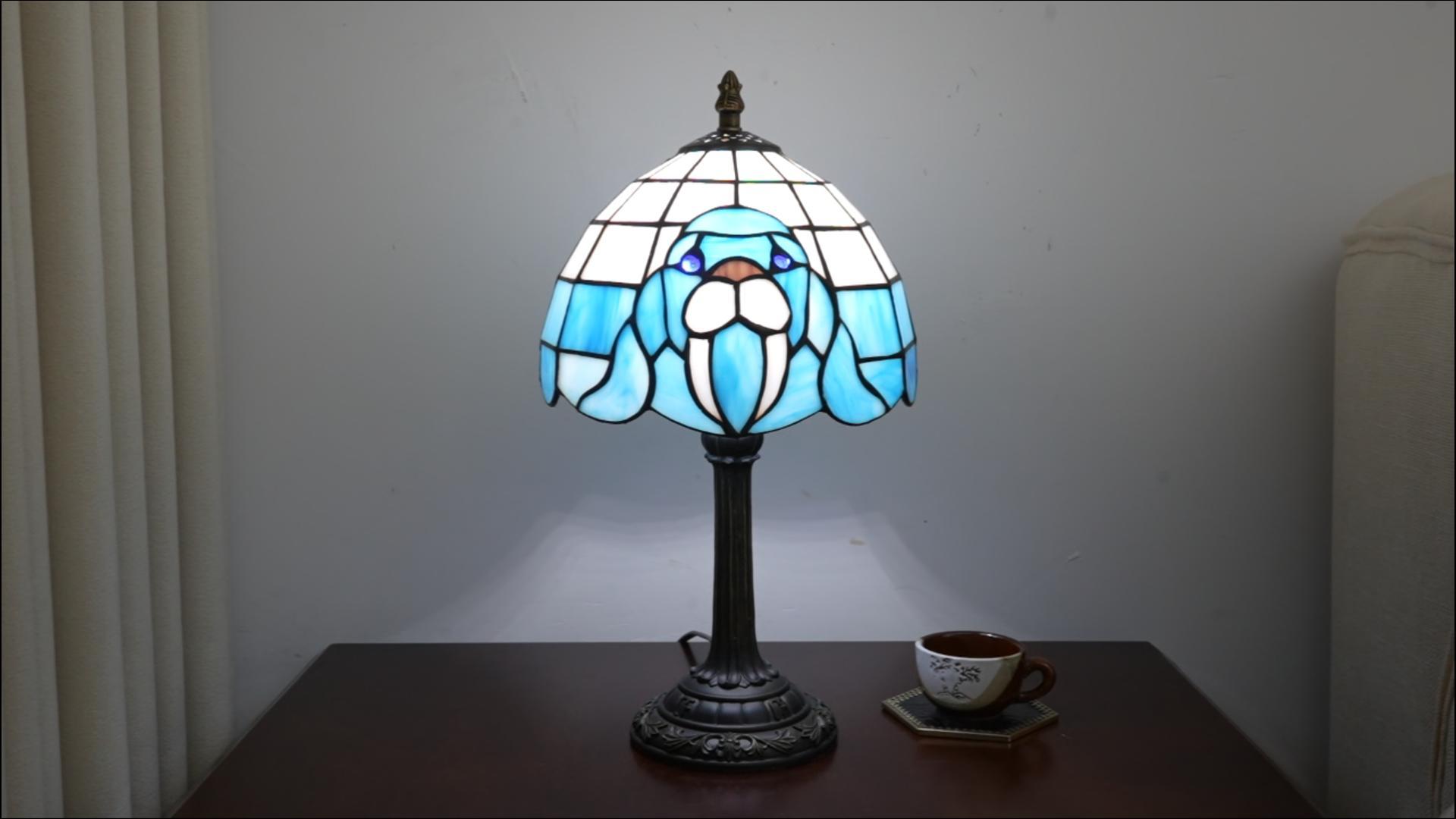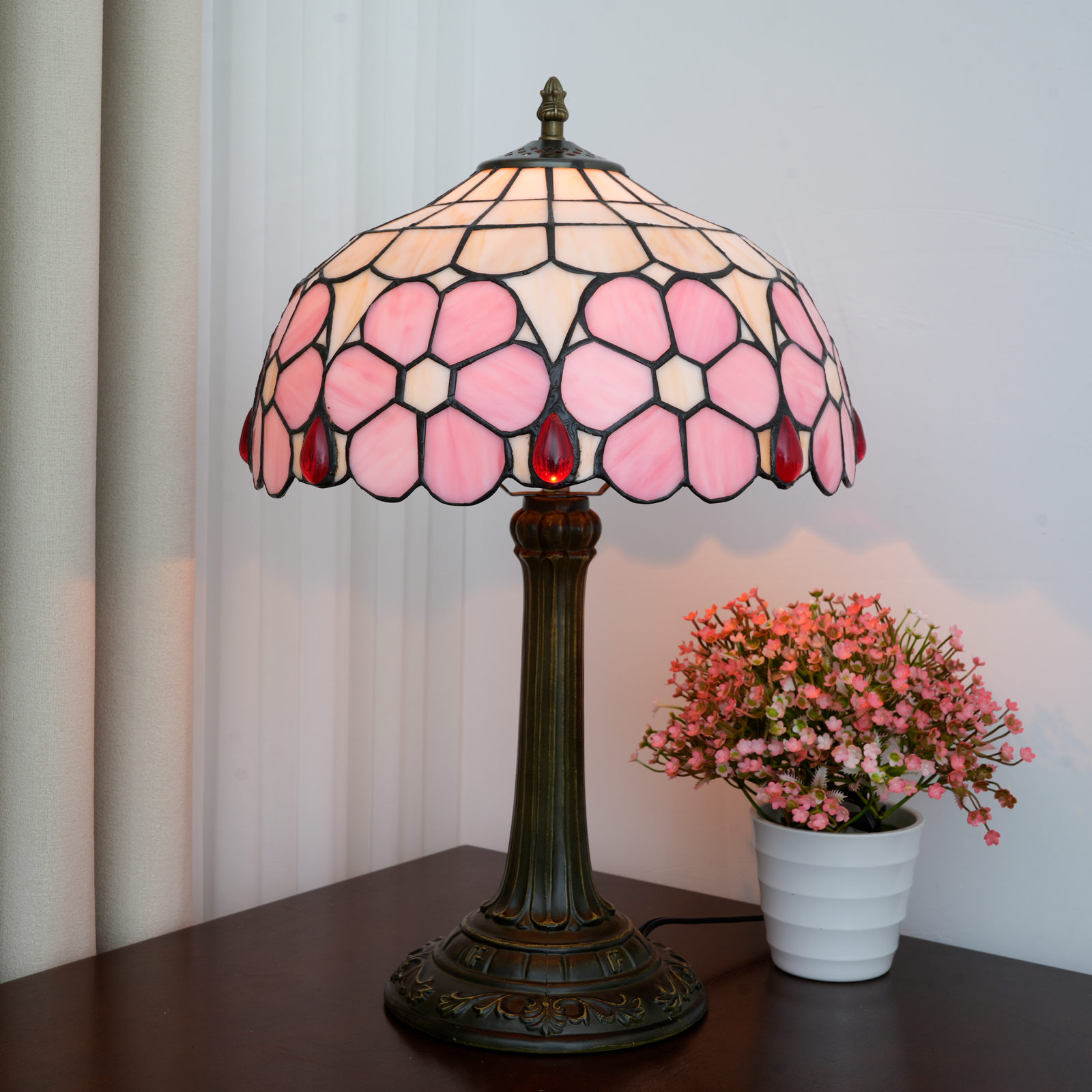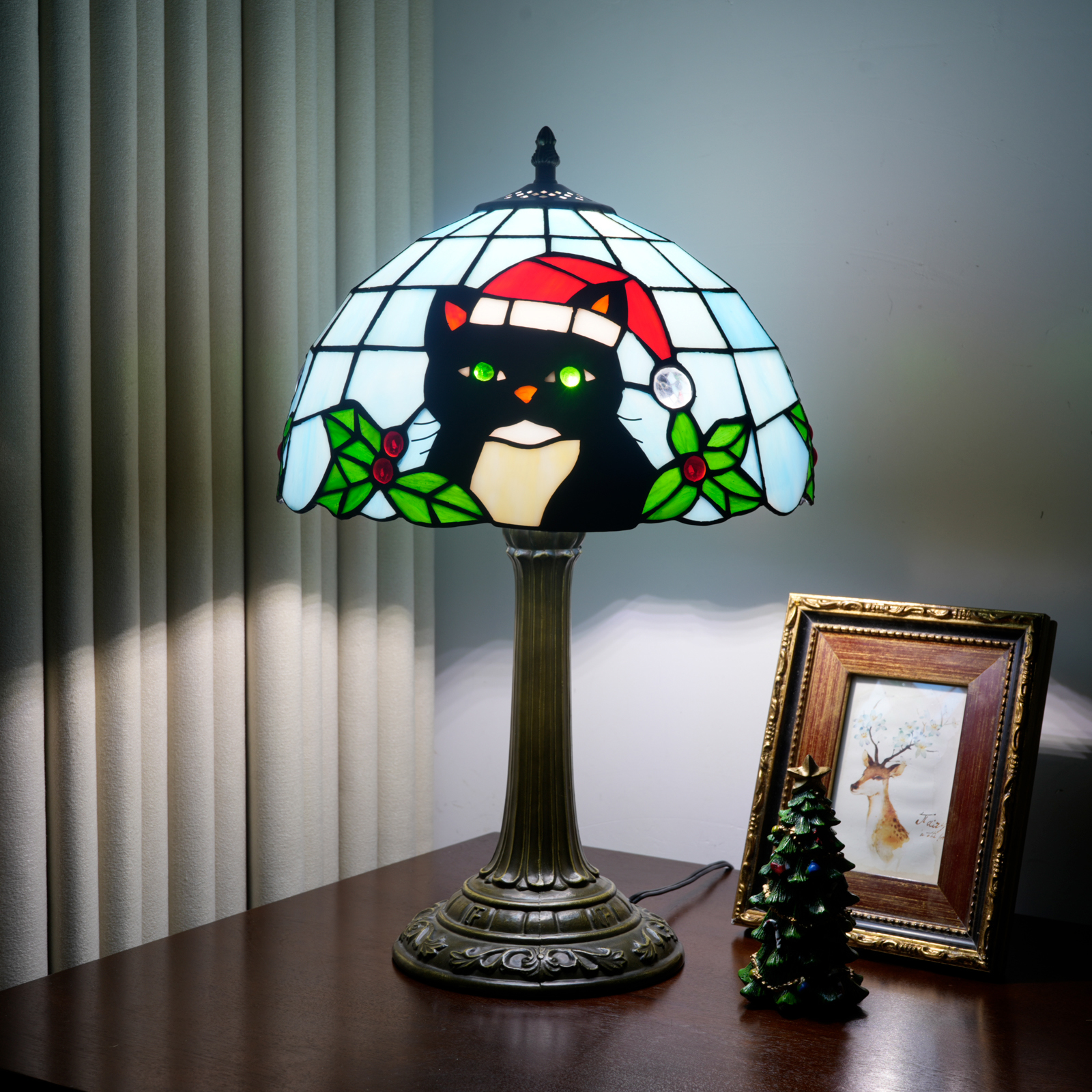





The Timeless Allure of Tiffany Lamps: A Comprehensive Guide to History, Design, and Caretiffany style lamp
November 13, 2026

The Origins of Tiffany Lamps: A Revolution in Lighting
Louis Comfort Tiffany, a visionary artist and designer, introduced the world to a new form of art glass in the late 19th century. His fascination with color and light led to the development of favrile glass, a type of iridescent glass that became the hallmark of Tiffany Studios. In 1895, Tiffany began producing lamps that combined his innovative glass with intricate metalwork, creating pieces that were both functional and breathtakingly beautiful. These early lamps were initially created for his own residences but soon gained popularity among the elite, including Mark Twain and President Chester A. Arthur. The Tiffany lamp quickly became a symbol of status and refined taste, adorning the finest homes of the era.
The Craftsmanship Behind a Tiffany Lamp
Each Tiffany lamp is a testament to meticulous craftsmanship. The process begins with the design, often inspired by nature—flowers, dragonflies, and geometric patterns were common motifs. Artisans would select hundreds of pieces of colored glass, each carefully cut and shaped to fit the design. The copper foil technique, developed by Tiffany, involved wrapping each glass piece in copper foil, then soldering them together to form the shade. This method allowed for greater flexibility and detail compared to traditional leaded glass. The bases were equally ornate, often cast in bronze and finished with intricate patterns. The collaboration between designers, glassmakers, and metalworkers resulted in lamps that were not only visually stunning but also durable. Today, original Tiffany lamps are highly prized by collectors, with some fetching millions at auction.
Identifying an Authentic Tiffany Lamp
With the rise in popularity of Tiffany-style lamps, many reproductions flood the market. To distinguish an authentic piece, look for the Tiffany Studios signature on the base or inside the shade. Authentic lamps often have a bronze tag with the studio's name and sometimes a model number. The glass quality is another indicator: original Tiffany glass has a unique texture and iridescence that is difficult to replicate. The copper foil on authentic pieces is typically thin and evenly applied, while reproductions may use thicker lead lines. Additionally, research the provenance—original lamps often come with a documented history. Consulting with experts or appraisers can also help verify authenticity, especially for high-value pieces.
Incorporating Tiffany Lamps into Modern Interiors
While Tiffany lamps are often associated with traditional or vintage decor, they can be seamlessly integrated into contemporary spaces. A Tiffany lamp can serve as a striking focal point in a minimalist room, adding a splash of color and texture. Consider placing a Tiffany floor lamp in a reading corner or using a smaller table lamp on a console table. The warm, ambient light they emit is perfect for creating a cozy atmosphere. To avoid a cluttered look, pair Tiffany lamps with simple, understated furniture. In modern settings, a single Tiffany pendant light over a dining table can be a showstopper. Mixing styles can also work well—a Tiffany lamp in a sleek, modern office adds character and a touch of history.
Caring for Your Tiffany Lamp: Practical Tips
Proper care ensures that your Tiffany lamp remains beautiful for generations. Dust the shade regularly with a soft, dry cloth to prevent buildup. Avoid using harsh chemicals or abrasive cleaners, which can damage the glass and metal. For deeper cleaning, use a mild soap solution and a soft brush, then dry immediately. Be gentle when handling the shade; the copper foil and solder can be fragile. If a piece of glass becomes loose, consult a professional restorer. The bronze base can be polished with a quality metal polish, but take care not to remove the patina, which adds to its character. Display your lamp away from direct sunlight to prevent fading, and use a low-wattage bulb to avoid overheating the glass.
The Investment Value of Tiffany Lamps
Tiffany lamps are not only decorative but also valuable investments. Original lamps from the early 20th century have appreciated significantly in value. Rarity, condition, and design complexity all influence price. For example, a Dragonfly lamp or a Wisteria lamp can command high prices due to their intricate designs. However, the market for Tiffany lamps can be volatile, so it's essential to do thorough research before purchasing. Auction records from houses like Christie's and Sotheby's provide insight into current market trends. Authentication is crucial; always buy from reputable dealers or auctions with a guarantee. For those unable to afford an original, high-quality reproductions can offer the aesthetic appeal at a fraction of the cost.
Common Questions About Tiffany Lamps
How can I tell if a Tiffany lamp is authentic?
Look for the Tiffany Studios signature, typically on the base or inside the shade rim. Authentic lamps often have a bronze tag with the studio name and a model number. The glass should have a distinct texture and iridescence, and the copper foil should be thin and evenly applied. Provenance and expert appraisal are also recommended.
What type of bulb should I use in a Tiffany lamp?
Use a low-wattage incandescent or LED bulb (typically 40-60 watts) to prevent overheating and damage to the glass. Avoid high-wattage bulbs, which can cause the glass to crack or the solder to weaken.
How do I clean a Tiffany lamp shade?
Dust regularly with a soft, dry cloth. For deeper cleaning, use a mild soap solution and a soft brush, then dry immediately. Avoid harsh chemicals and excessive moisture. Never submerge the shade in water.
Are Tiffany lamps still made today?
Original Tiffany lamps are no longer produced, as Tiffany Studios closed in the 1930s. However, many companies produce high-quality reproductions in the Tiffany style. These vary in quality and price, so research carefully before purchasing.
What is the value of a Tiffany lamp?
Values range widely based on authenticity, condition, design, and rarity. Common models might sell for a few thousand dollars, while rare, signed pieces can fetch millions at auction. Consult appraisers and auction records for accurate valuations.