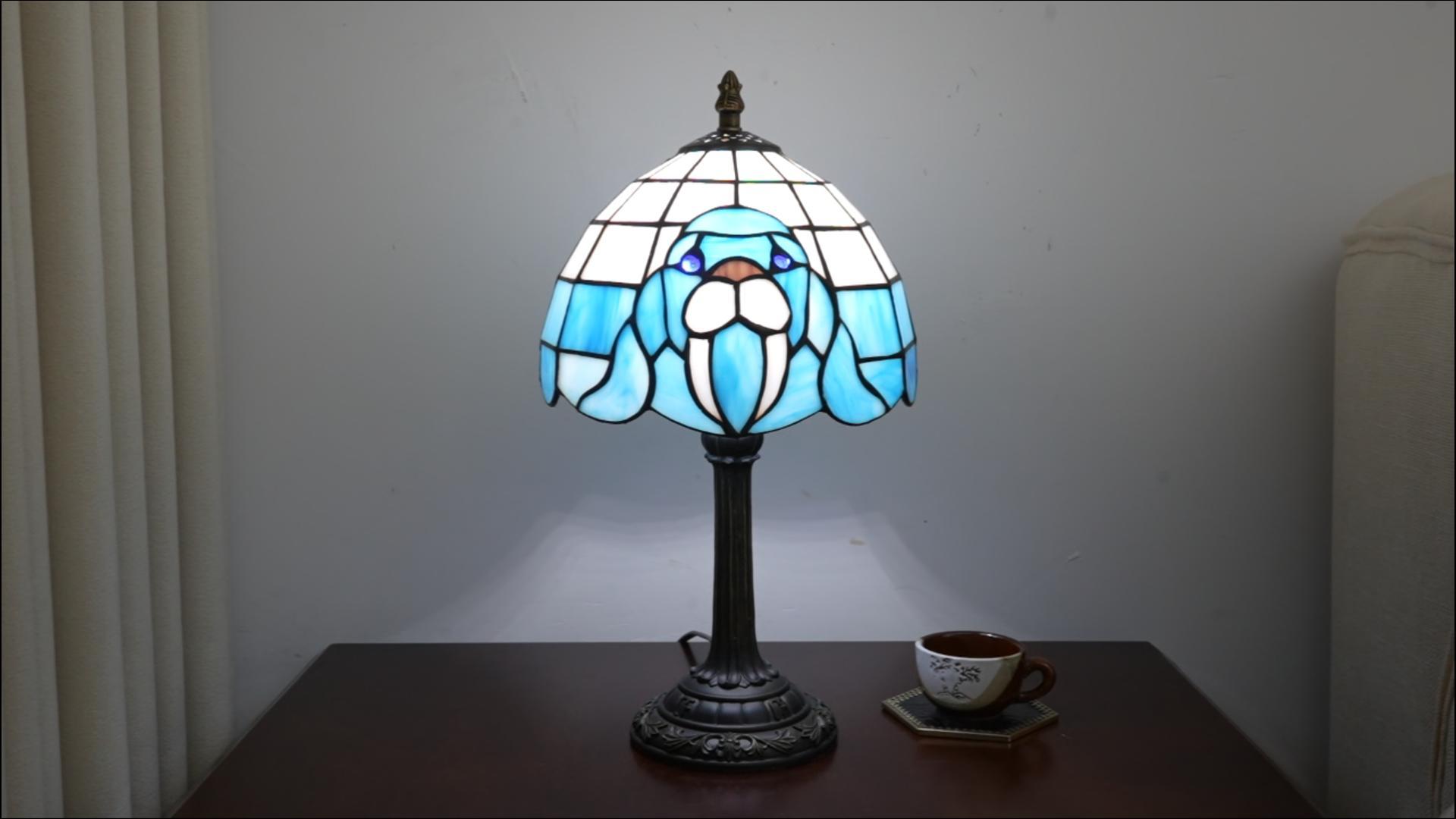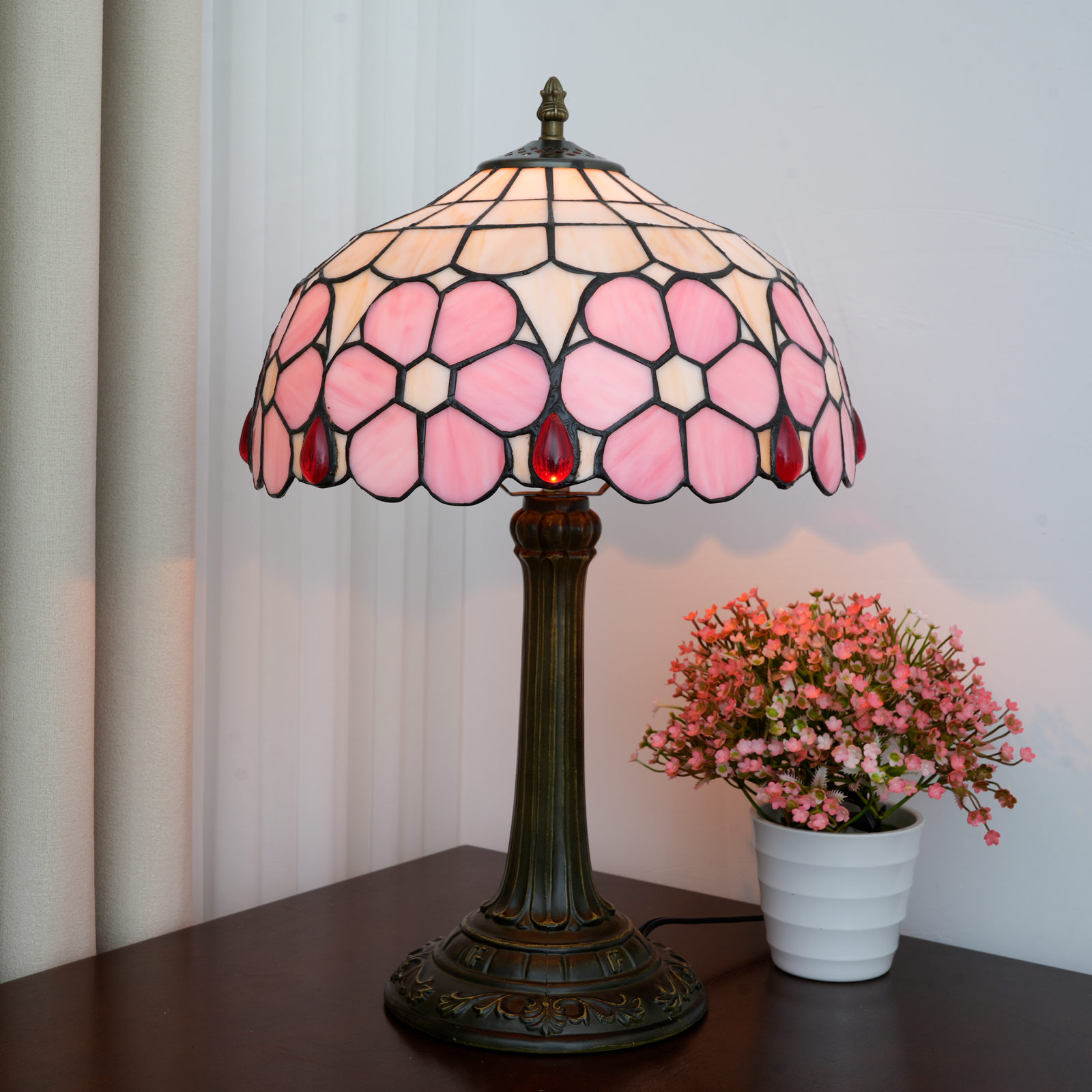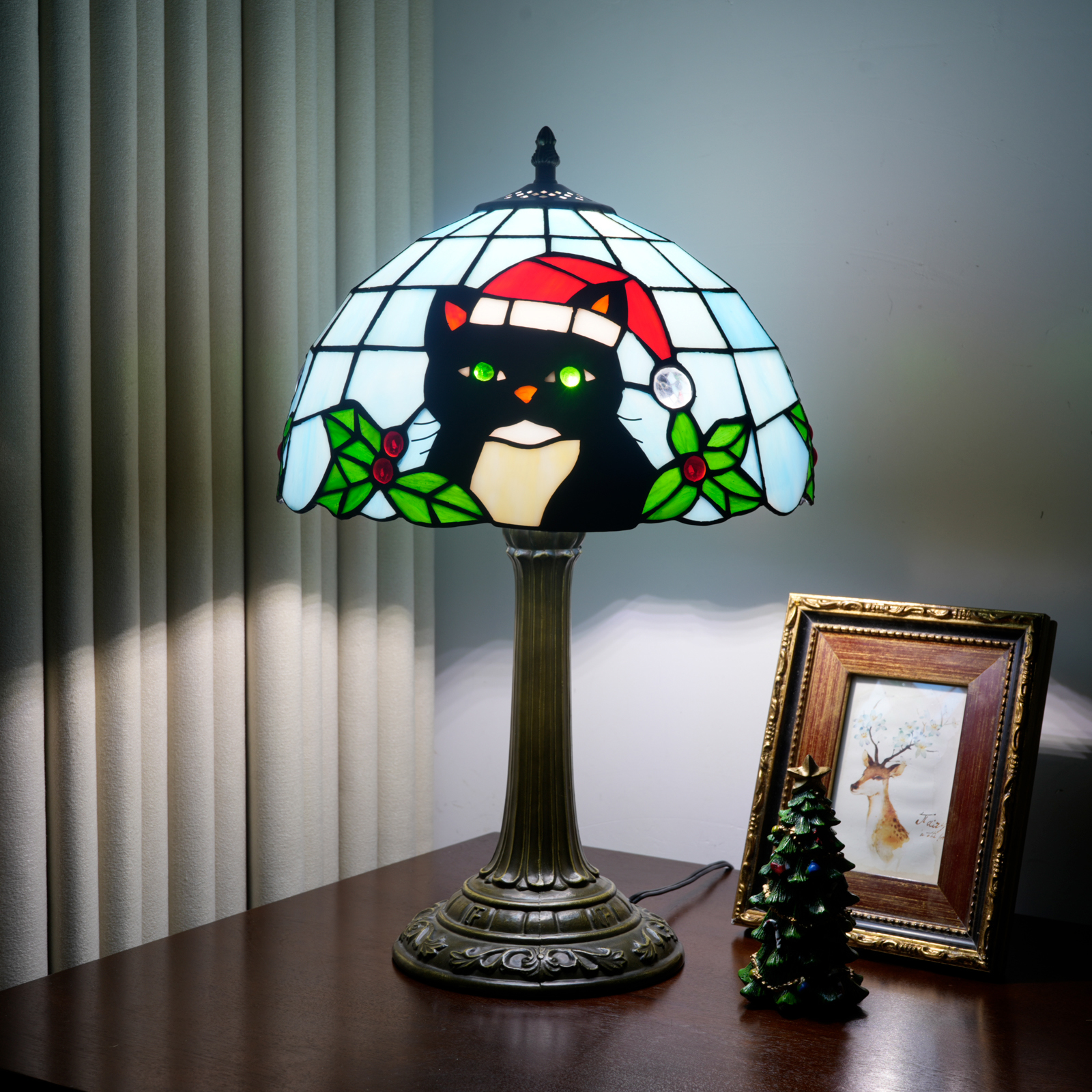





The Timeless Allure of Stained Glass Lamps: A Comprehensive Guidetiffany lamp
November 13, 2026
Introduction to Stained Glass Lamps
Stained glass lamps have captivated homeowners and art enthusiasts for centuries. These unique pieces combine functionality with artistic expression, casting colorful light that transforms any room into a warm, inviting space. Whether you're drawn to the classic Tiffany style or contemporary designs, understanding the craftsmanship and care of stained glass lamps will help you make informed decisions and enjoy these beautiful fixtures for years to come.
The History and Craftsmanship of Stained Glass Lamps
The art of stained glass dates back to medieval Europe, where it was used primarily in churches and cathedrals to depict religious stories. However, it was during the late 19th and early 20th centuries that stained glass lamps gained popularity as household items, largely due to the work of Louis Comfort Tiffany. His innovative techniques and designs brought stained glass into the mainstream, and today, stained glass lamps are celebrated for their intricate beauty and historical significance.
Creating a stained glass lamp is a meticulous process. Artisans begin by sketching a design, then select glass pieces for color and texture. Each piece is cut, ground, and wrapped in copper foil or lead came before being soldered together. The shade is then attached to a base, often made of bronze or other metals, completing the lamp. This labor-intensive process ensures that each lamp is a unique work of art, with variations in color and pattern that make it truly one-of-a-kind.
Types of Stained Glass Lamps
Stained glass lamps come in various styles and shapes, each with its own charm. Here are some popular types:
Tiffany Lamps: These are the most iconic, featuring intricate geometric or floral patterns and a bronze base. They are often associated with the Art Nouveau movement.
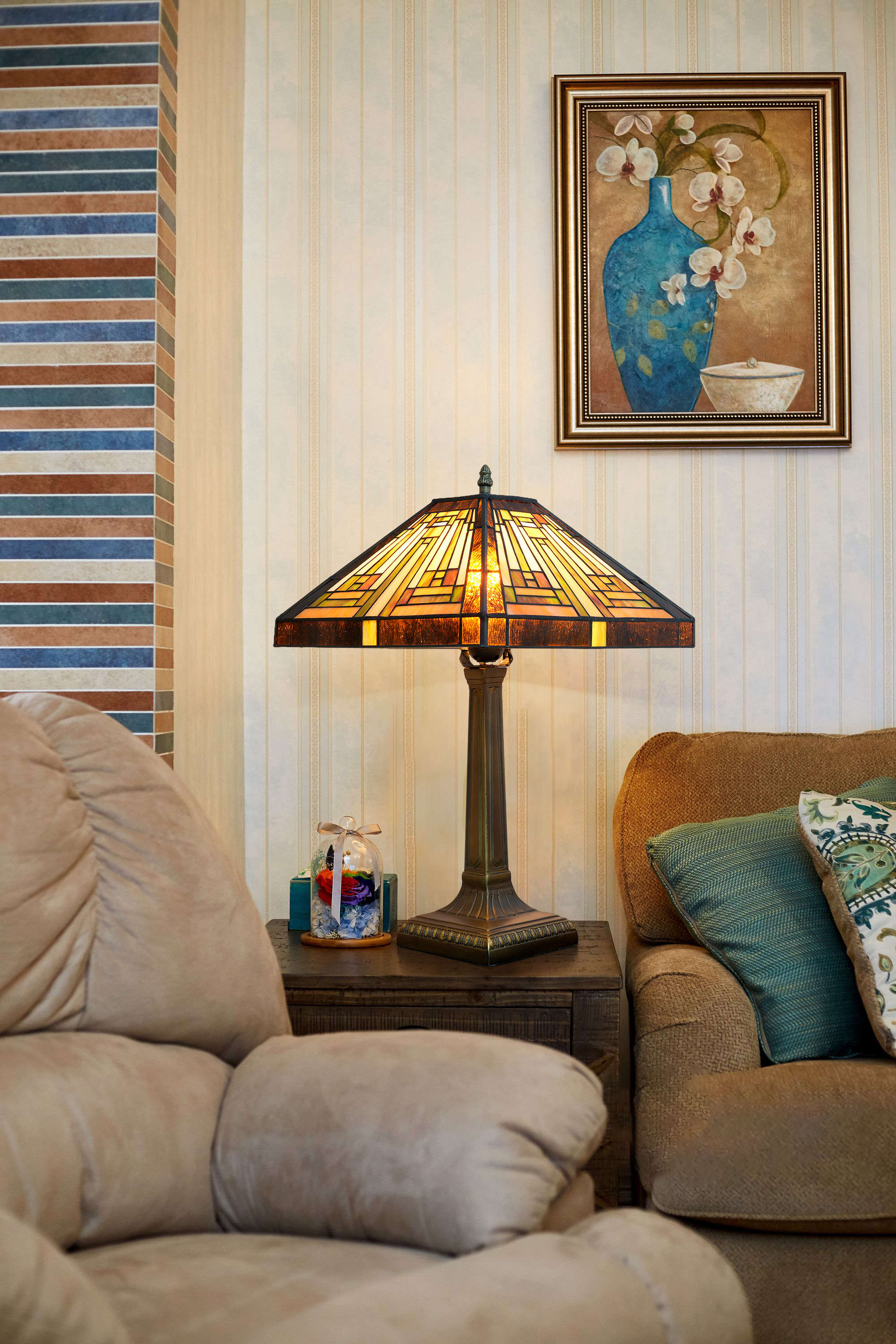
Mission Style Lamps: Characterized by clean lines and geometric designs, these lamps often incorporate earthy tones and are perfect for Craftsman-style homes.
Victorian Lamps: Ornate and elaborate, these lamps often feature floral motifs and vibrant colors, adding a touch of vintage elegance.
Contemporary Stained Glass Lamps: Modern designs may use abstract patterns, bold colors, and mixed materials, blending traditional techniques with contemporary aesthetics.
How to Choose the Right Stained Glass Lamp
Selecting the perfect stained glass lamp involves considering both aesthetic and practical factors. Here are some tips to guide you:
Assess Your Space: Consider the size of the room and the lamp's intended placement. A large Tiffany lamp can be a statement piece in a living room, while a smaller accent lamp works well on a bedside table.
Determine the Purpose: Is the lamp for ambient lighting, task lighting, or purely decorative? This will influence the shade's color and the base's height.
Match Your Style: Choose a design that complements your existing decor. For traditional interiors, classic Tiffany or Victorian styles work well; for modern spaces, consider contemporary designs.
Check the Craftsmanship: Examine the soldering, the quality of the glass, and the stability of the base. A well-made lamp will have tight, smooth solder lines and no loose pieces.
Consider the Light Source: Stained glass lamps often use incandescent or LED bulbs. Ensure the lamp is compatible with the type of bulb you prefer and that it provides adequate light output.
Styling with Stained Glass Lamps
Stained glass lamps are versatile and can enhance various rooms. Here are some styling ideas:
Living Room: Place a large Tiffany lamp on an end table or console to create a focal point. The warm, colorful light adds ambiance and complements both traditional and eclectic decor.
Bedroom: Use a smaller stained glass lamp as a bedside reading light. The soft glow creates a cozy atmosphere, perfect for relaxation.
Dining Room: Hang a stained glass pendant lamp over the dining table to add drama and color. It can be a conversation starter during meals.
Home Office: A stained glass desk lamp can provide task lighting while adding a touch of artistry to your workspace.
Outdoor Spaces: Some stained glass lamps are designed for outdoor use. Hang them on a porch or in a gazebo to create a magical evening ambiance.
Maintenance and Care for Stained Glass Lamps
To keep your stained glass lamp looking beautiful, regular maintenance is essential. Here are some care tips:
Cleaning: Dust the lamp regularly with a soft, dry cloth. For a deeper clean, use a mild soap solution and a soft brush to gently scrub the glass. Avoid harsh chemicals or abrasive materials that can damage the glass or solder.
Inspection: Periodically check the solder joints and the base for any signs of wear or looseness. Tighten any loose screws and repair any damaged solder immediately to prevent further issues.
Bulb Replacement: Use the recommended bulb wattage to avoid overheating. When changing bulbs, make sure the lamp is unplugged and cool to the touch.
Protection: Place the lamp away from direct sunlight to prevent fading of the glass. Also, avoid placing it in humid areas like bathrooms, as moisture can damage the metal components.
Common Mistakes to Avoid
When buying or caring for stained glass lamps, avoid these common pitfalls:
Ignoring Quality: Cheaply made lamps may have uneven glass, poor soldering, or unstable bases. Invest in a well-crafted piece for longevity and beauty.
Incorrect Bulb Usage: Using a bulb with higher wattage than recommended can cause overheating and damage the lamp. Always follow the manufacturer's guidelines.
Improper Cleaning: Using abrasive cleaners or soaking the lamp in water can damage the glass and metal. Stick to gentle cleaning methods.
Neglecting Maintenance: Regular care prevents deterioration. Don't wait until the lamp is damaged to clean or repair it.
Frequently Asked Questions
What is the difference between a stained glass lamp and a Tiffany lamp?
Tiffany lamps are a specific style of stained glass lamps created by Louis Comfort Tiffany. While all Tiffany lamps are stained glass lamps, not all stained glass lamps are Tiffany style. Tiffany lamps are known for their intricate designs, use of opalescent glass, and bronze bases.
How do I know if a stained glass lamp is well-made?
Look for tight, smooth solder lines, uniform glass color, and a sturdy base. A well-made lamp will have no loose pieces, and the shade should be securely attached to the base. Additionally, check for a signature or label from a reputable maker.
Can I use a stained glass lamp as my main light source?
Stained glass lamps are typically used for ambient or accent lighting rather than primary illumination. However, a large lamp with a high-wattage bulb can provide sufficient light for a small room. For task lighting, consider a dedicated desk or floor lamp.
How do I repair a broken piece of stained glass on my lamp?
Minor cracks can sometimes be stabilized with clear epoxy, but for proper repair, it's best to consult a professional stained glass artisan. They can replace the broken piece while matching the color and texture.
Are stained glass lamps energy-efficient?
Traditional incandescent bulbs use more energy, but you can use LED bulbs in many stained glass lamps to improve efficiency. Check the lamp's compatibility and choose LED bulbs with the appropriate wattage and color temperature.