




The Timeless Allure of Stained Glass Lamps: A Buyer's and Care Guideambient lighting
November 7, 2026

Understanding Stained Glass Lamps: Art Meets Function
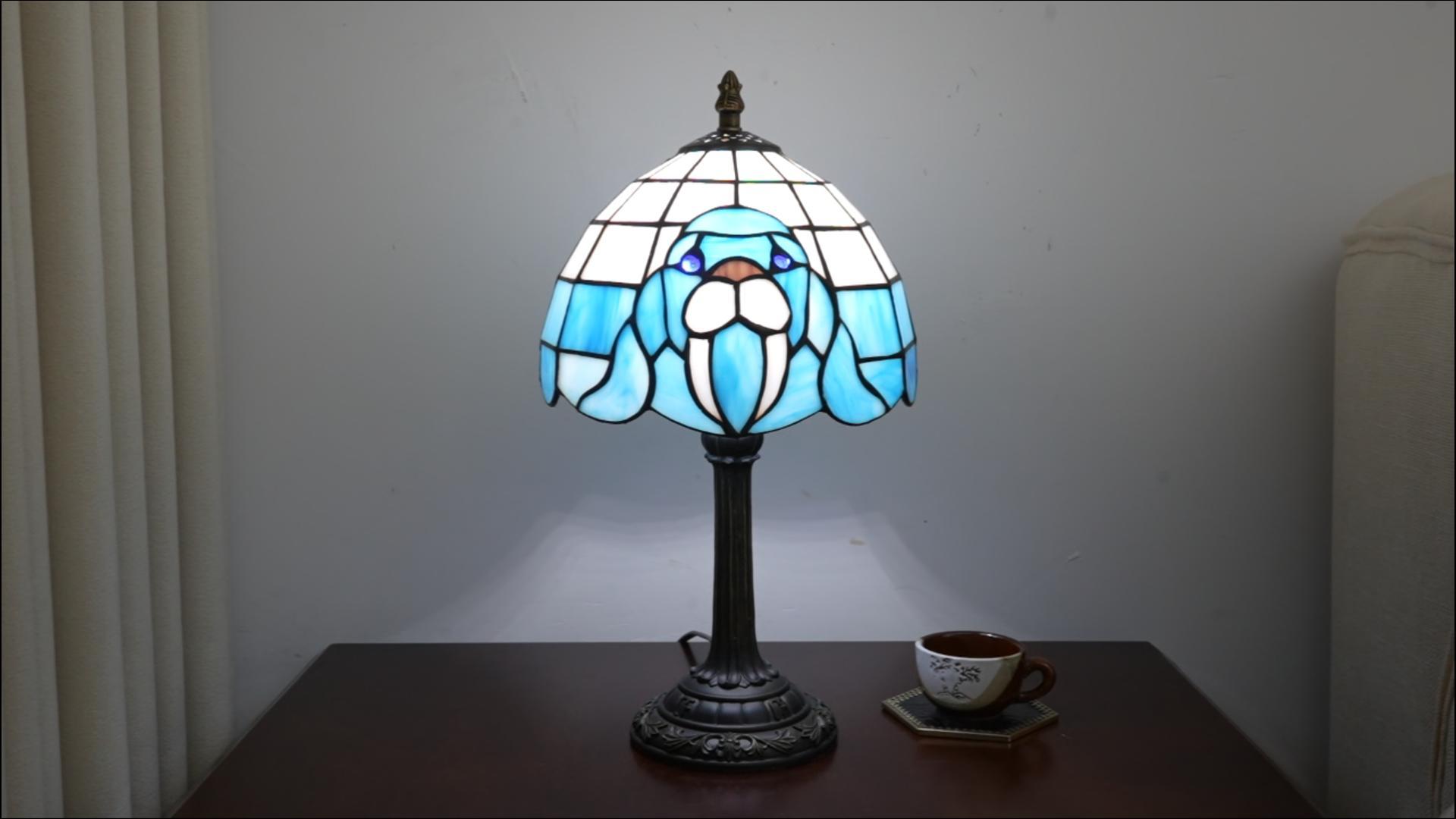
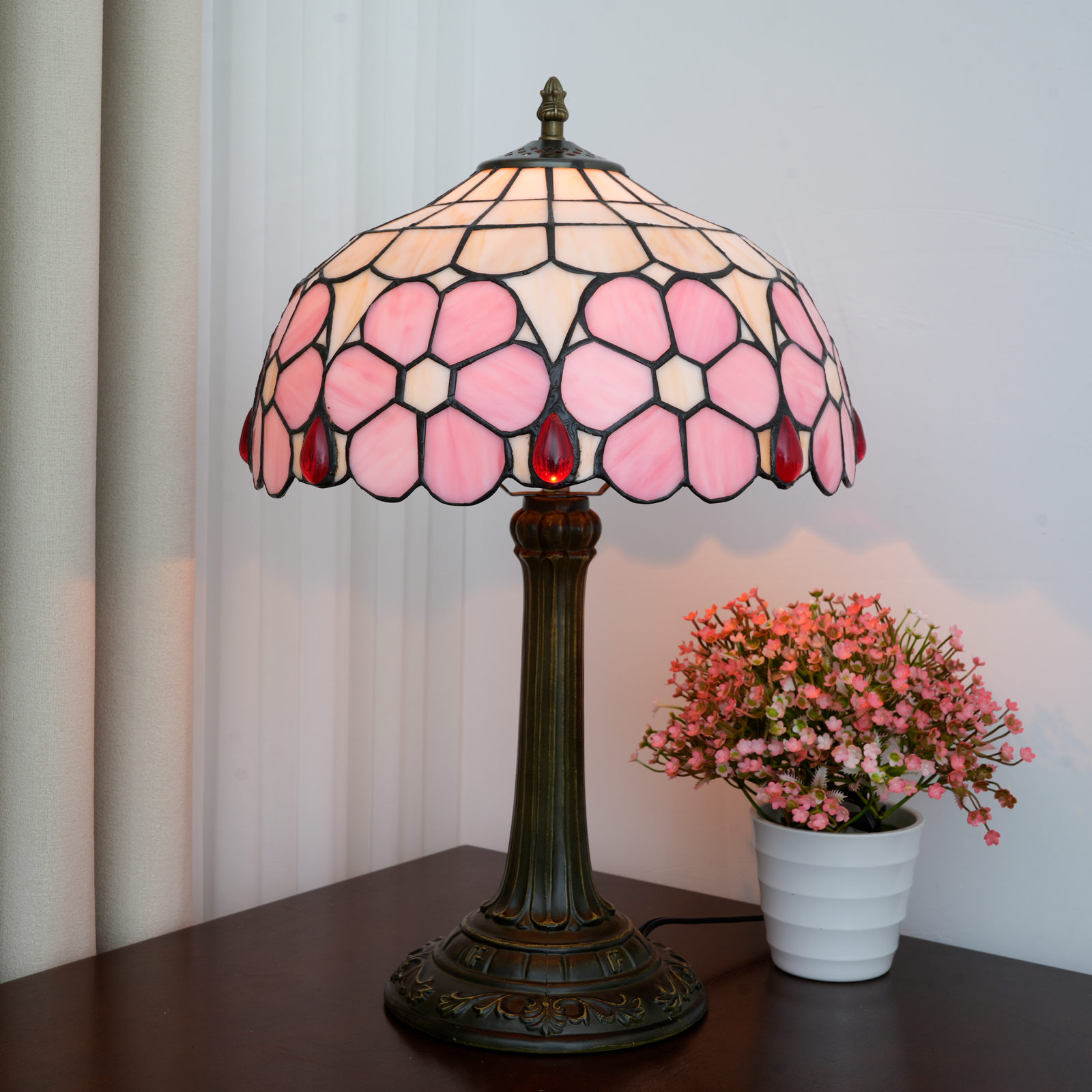
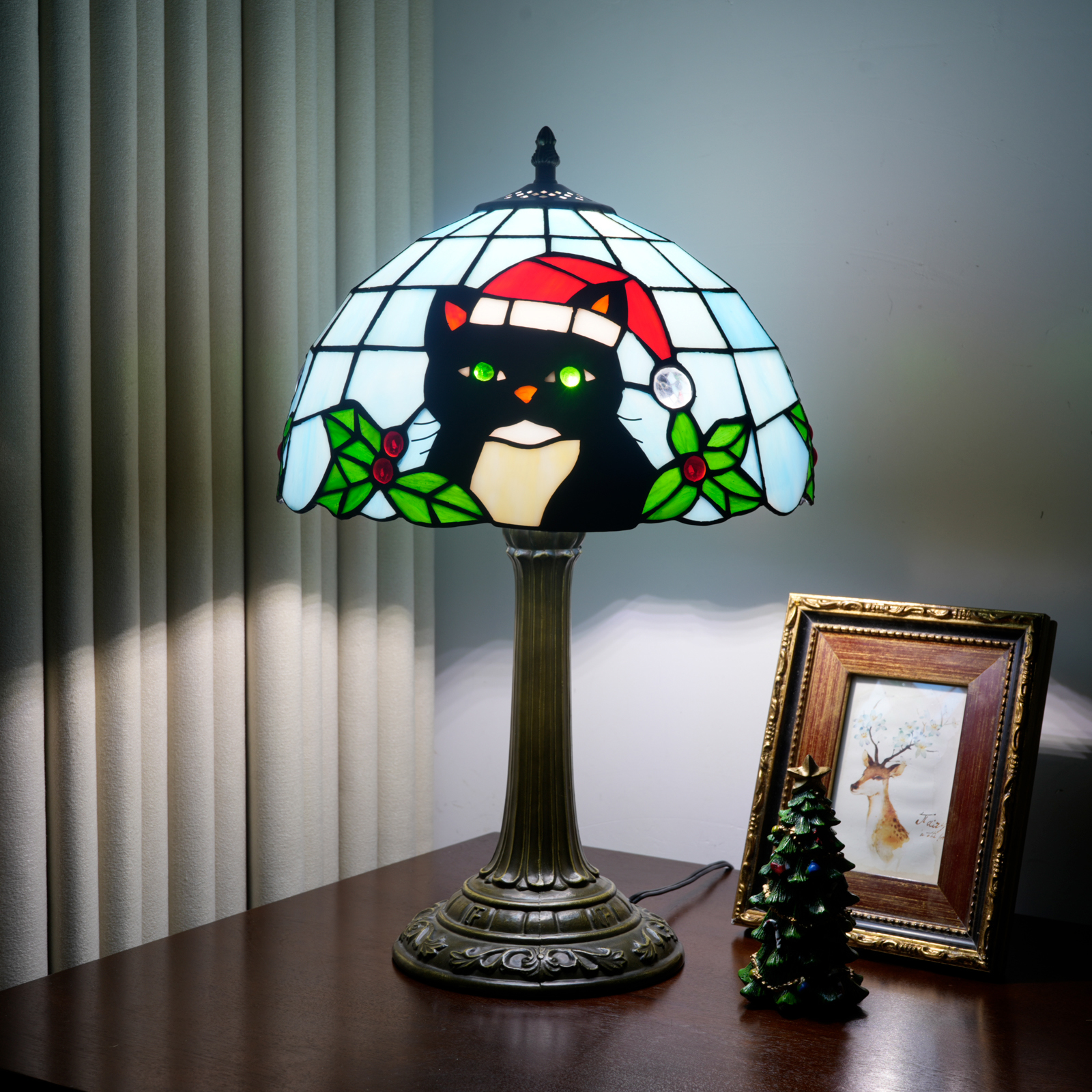
A stained glass lamp is a decorative lighting fixture where pieces of colored glass are joined with metal (often copper foil or lead came) to create intricate patterns. Unlike painted glass, the color is inherent in the glass itself, producing a rich, enduring glow. These lamps range from the iconic Tiffany-style shades of the early 20th century to contemporary geometric designs. Each piece is a small work of art, and understanding their construction is the first step to appreciating their value.
Key Styles and Their Characteristics
The most famous style is the Tiffany lamp, developed by Louis Comfort Tiffany, characterized by nature-inspired motifs like dragonflies, wisteria, and geometric patterns. Mission-style lamps feature straight lines and earthy tones, often with oak or metal bases. Art Nouveau designs emphasize flowing, organic curves. Contemporary stained glass lamps may use abstract patterns and vibrant, contrasting colors. Knowing these styles helps you match a lamp to your decor and identify quality craftsmanship.
How to Choose a Quality Stained Glass Lamp
When shopping, examine the solder lines—they should be smooth and evenly applied. Tug gently on the glass pieces; they should feel secure. Hold the shade up to light: high-quality glass will have consistent color and no bubbles or cracks. Check the base for stability and material (bronze and brass are durable; resin is lighter but less sturdy). Also, consider the light source: a dimmable LED bulb can enhance the glass's colors without generating excessive heat. Finally, ask about the artist or manufacturer—handcrafted pieces often carry a signature or certificate.
Placement and Lighting Tips
Stained glass lamps work best as accent lighting rather than primary illumination. Place a table lamp on a side table or console to create a warm focal point. For floor lamps, corner placement can cast beautiful patterns on walls. Use a warm white bulb (2700K–3000K) to bring out the glass's hues, and avoid overly bright bulbs that wash out details. In a dining room, a pendant stained glass lamp can add intimacy. Remember to consider the scale: a large shade on a small base can look top-heavy.
Care and Maintenance for Longevity
Dust your lamp regularly with a soft, dry cloth. For deeper cleaning, use a mild soap solution and a soft brush, then dry immediately to prevent water spots. Avoid harsh chemicals or abrasive pads that can scratch the glass or dull the metal. Check the solder joints annually for cracks or corrosion; re-solder if necessary. If the lamp has a leaded shade, handle it gently—lead is soft and can bend. Store lamps in a dry place, and consider applying a thin coat of wax to metal bases to inhibit tarnish.
Common Mistakes to Avoid
Buying a lamp solely on price often leads to disappointment—cheap lamps may use plastic instead of glass or have poor solder work. Ignoring the base is another pitfall; a beautiful shade on a wobbly base is a hazard. Overpowering the bulb can cause the glass to overheat and crack, especially in enclosed shades. Also, don't place a stained glass lamp in direct sunlight for extended periods, as some colors may fade. Finally, skip the impulse buy—take time to compare styles and verify craftsmanship.
Frequently Asked Questions
Are stained glass lamps suitable for reading?
Generally, no. Stained glass shades diffuse light and create ambiance rather than focused task lighting. Use them as supplementary lighting, and keep a dedicated reading lamp nearby.
How can I tell if a stained glass lamp is authentic?
Look for a signature or maker's mark on the shade or base. Authentic Tiffany lamps often have a bronze tag or etched signature. Also, examine the glass: authentic pieces use opalescent glass with subtle variations, not uniform, mass-produced glass.
Can I repair a cracked piece of stained glass myself?
Small cracks can be stabilized with clear epoxy, but for a seamless repair, seek a professional stained glass restorer. DIY repairs often worsen the damage or reduce the lamp's value.
What type of bulb is best for stained glass lamps?
Use LED bulbs with a warm white color temperature (2700K–3000K) and low wattage (equivalent to 40–60W). LEDs emit less heat, protecting the glass and solder. Avoid CFLs, which can flicker and distort colors.