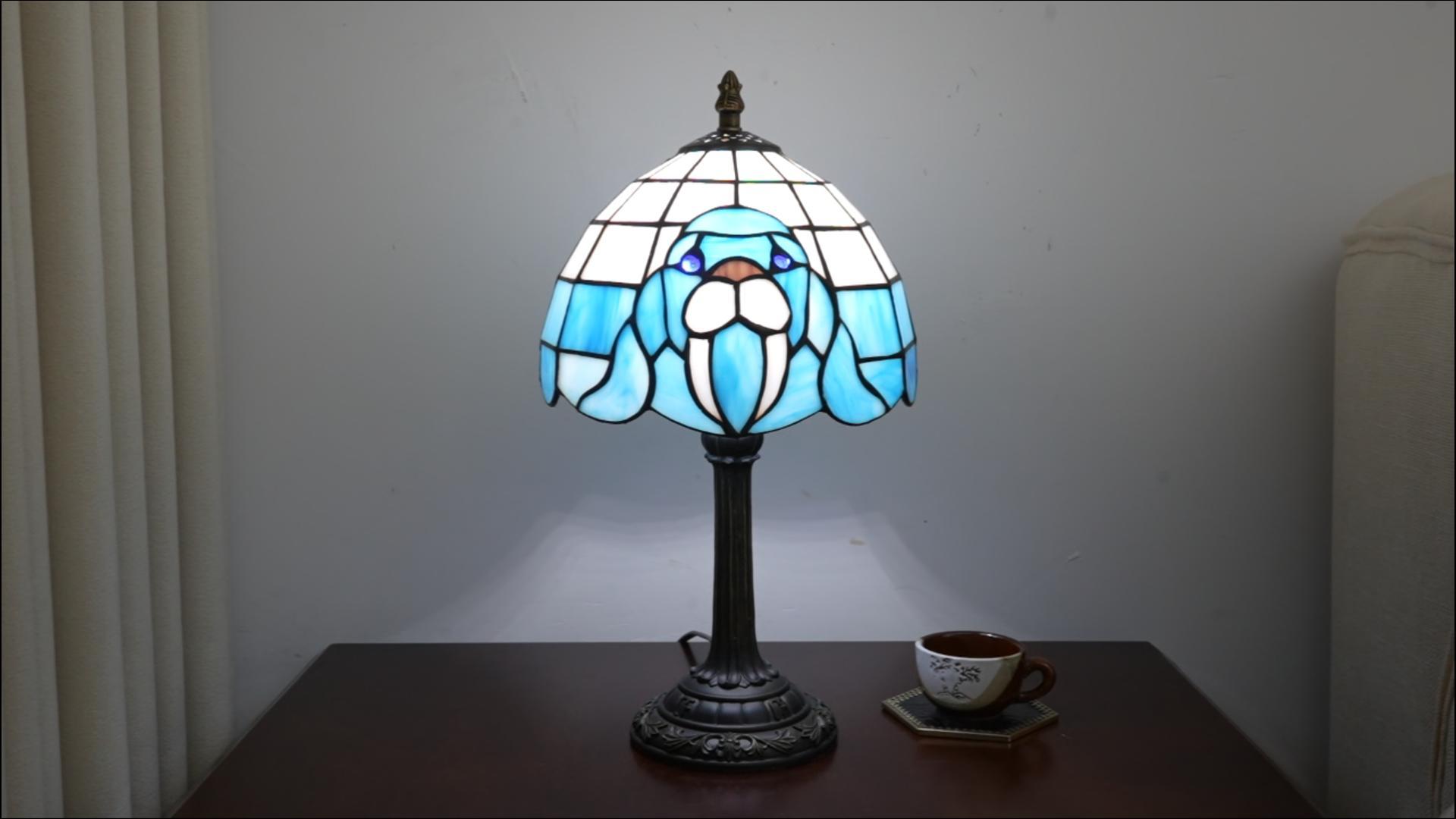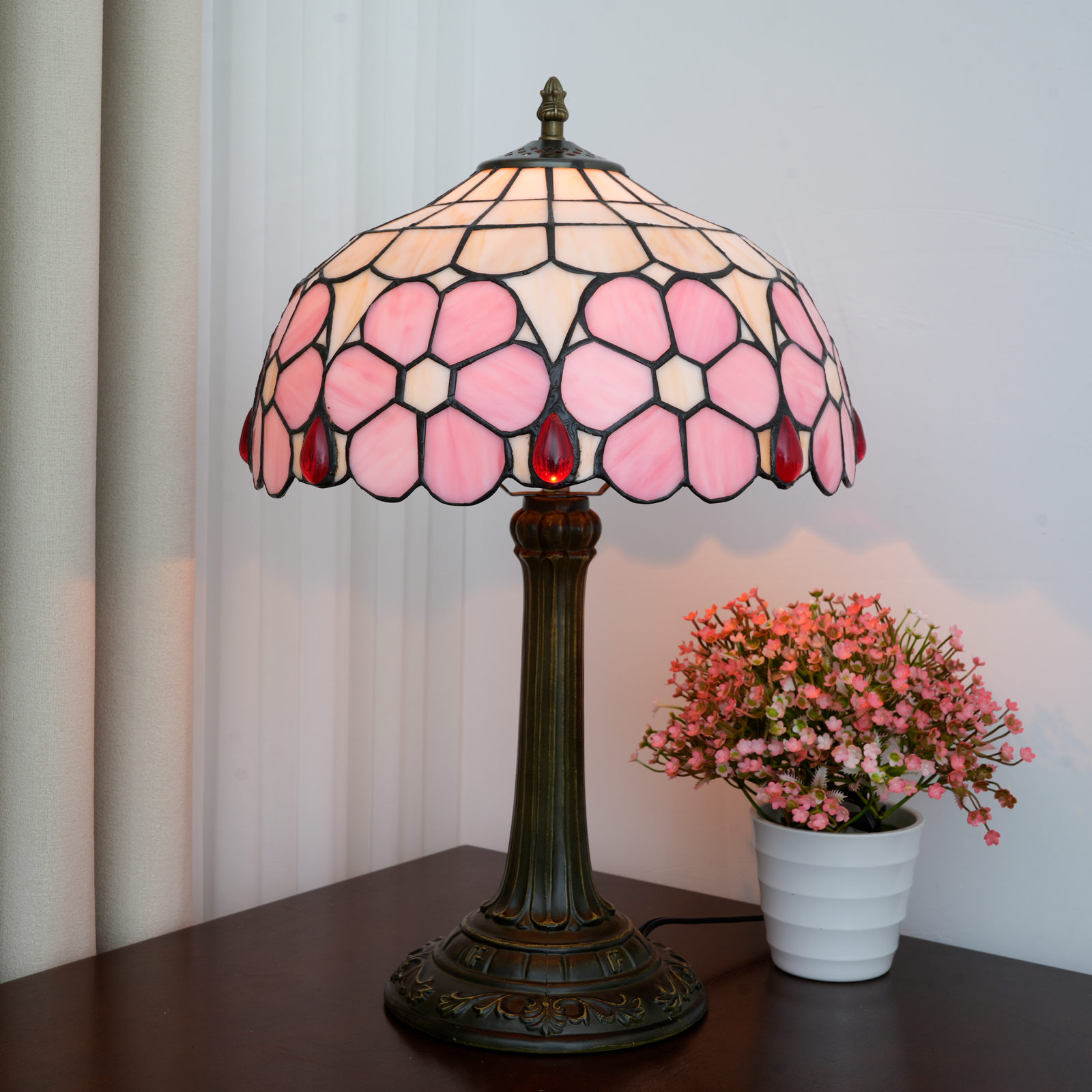





The Many Meanings of 'Lamp': A Comprehensive Guide to Understanding and Using the Term in Englishtable lamp
October 27, 2026
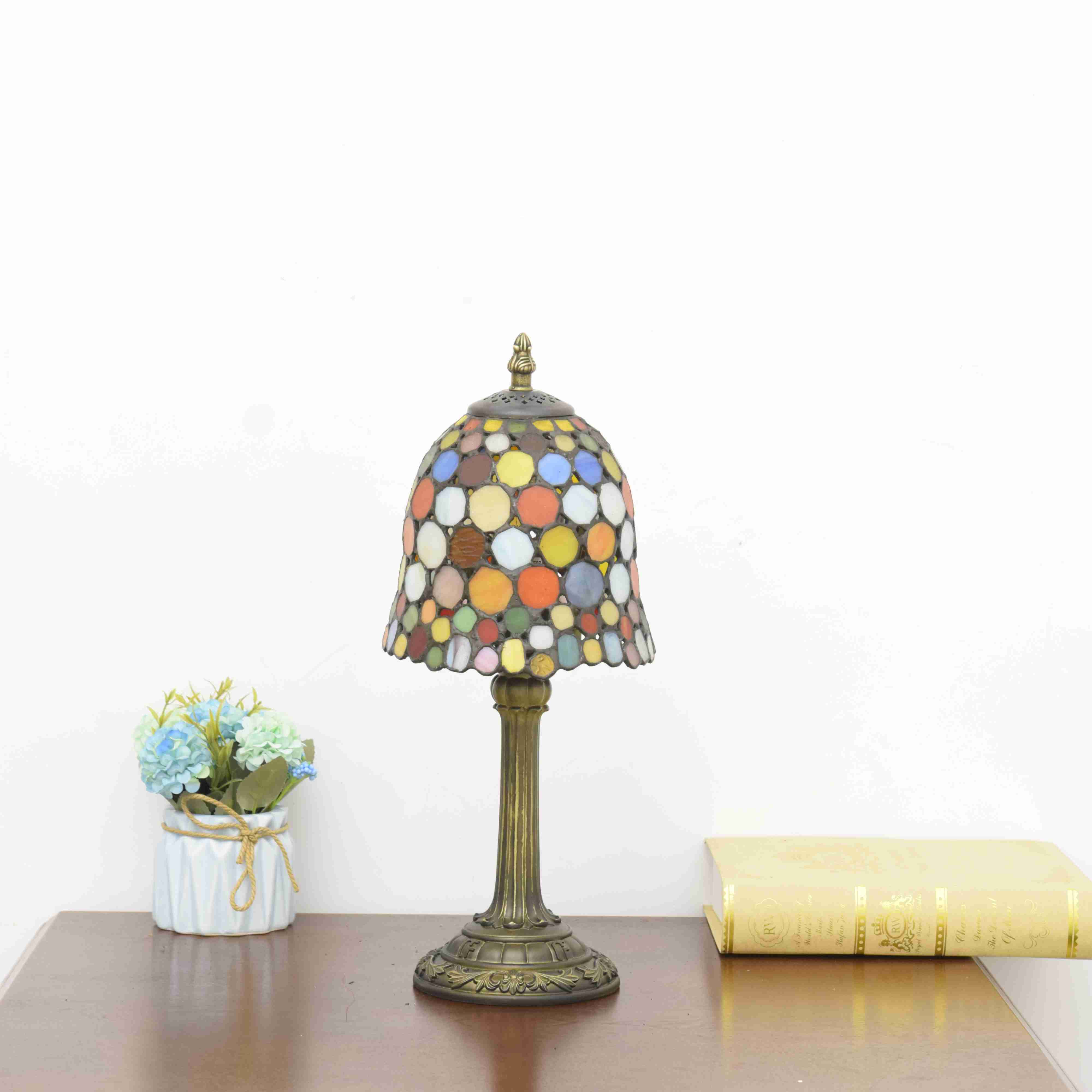
What Does 'Lamp' Mean in English?
The English word 'lamp' primarily refers to a device that produces light, typically using electricity, gas, or oil. It is a common noun with Germanic roots (from Old English lamp and Latin lampas). Beyond the basic definition, 'lamp' appears in various contexts—from everyday objects like table lamps to technical terms like light-emitting diode (LED) lamps. Understanding these nuances is key to using the word accurately.
Common Types of Lamps and Their English Names
When referring to lamps in English, specificity matters. Here are the most common types:
Table lamp: A small lamp designed to sit on a table or desk. Floor lamp: A tall lamp that stands on the floor. Desk lamp: Similar to a table lamp but often adjustable for tasks. Wall lamp (or sconce): A lamp mounted on a wall. Ceiling lamp: A lamp attached to the ceiling, often called a chandelier if decorative. Street lamp: A tall outdoor lamp for illuminating roads. Headlamp: A lamp worn on the head, used by miners or campers. Flashlight (American English) or torch (British English): A portable battery-powered lamp.
Lamp vs. Light: Understanding the Difference
Many learners confuse 'lamp' with 'light.' While both relate to illumination, they are not interchangeable. A lamp is the physical device that holds and powers a light source. Light refers to the illumination itself or the electromagnetic radiation. For example, you turn on a lamp to produce light. You would not say "turn on the light" if you mean the device—you say "turn on the lamp." However, in everyday speech, people often use "light" to mean the fixture (e.g., "ceiling light"), but 'lamp' is more specific and technical.
Technical Meanings of 'Lamp' in Engineering and Electronics
In technical contexts, 'lamp' has precise definitions. An incandescent lamp produces light by heating a filament. A fluorescent lamp uses gas discharge. An LED lamp uses light-emitting diodes. In electronics, a lamp can also refer to an indicator light on a control panel. Note that in some industries, 'lamp' is distinct from 'fixture'—the fixture is the housing, while the lamp is the replaceable light source (e.g., a light bulb). This distinction is crucial for procurement and maintenance.
Common Phrases and Idioms with 'Lamp'
English includes several idioms featuring 'lamp.' The most famous is 'genie in a lamp' (or 'genie in a bottle'), from the Aladdin story. 'Lamp-post' is a common compound. The phrase 'to lamp' as a verb is rare but can mean to shine a light on something or, in British slang, to hit someone. Also, 'lamp' appears in the title of the famous poem 'The Lamp' by Robert Browning, though it's not a common reference.
Practical Tips for Using 'Lamp' Correctly in English
To avoid mistakes, follow these guidelines: 1) Use 'lamp' for the device, not the light itself. 2) Specify the type when needed (e.g., 'desk lamp' instead of just 'lamp'). 3) In technical writing, distinguish between 'lamp' (the bulb) and 'luminaire' (the complete lighting unit). 4) Remember that 'lamp' is countable: 'a lamp,' 'two lamps.' 5) In British English, 'lamp' is standard; 'light' is more general. 6) When translating from other languages, beware of false friends—e.g., German 'Lampe' is similar, but French 'lampe' can also mean 'flashlight.'
Frequently Asked Questions
Is 'lamp' a countable or uncountable noun?
'Lamp' is a countable noun. You can say 'a lamp,' 'three lamps,' or 'many lamps.' It is not used as an uncountable noun like 'light' (as in 'light travels fast').
What is the difference between a lamp and a bulb?
A bulb (or light bulb) is the replaceable component that produces light. A lamp is the complete device that includes the bulb, socket, and often a shade. In technical usage, 'lamp' can sometimes mean the bulb itself, but in everyday English, 'lamp' refers to the whole fixture.
Can 'lamp' be used as a verb?
Yes, but it is uncommon. 'To lamp' can mean to shine a light on something (e.g., 'The flashlight lamped the path') or, in British slang, to hit someone. In most contexts, use 'light' or 'illuminate' instead.
What is a 'lamp' in the context of art?
In art, a 'lamp' often symbolizes knowledge, truth, or guidance (e.g., the lamp of wisdom). The phrase 'the lamp of learning' is a common metaphor. Also, in painting, 'lamp' can refer to a light source depicted in the artwork.