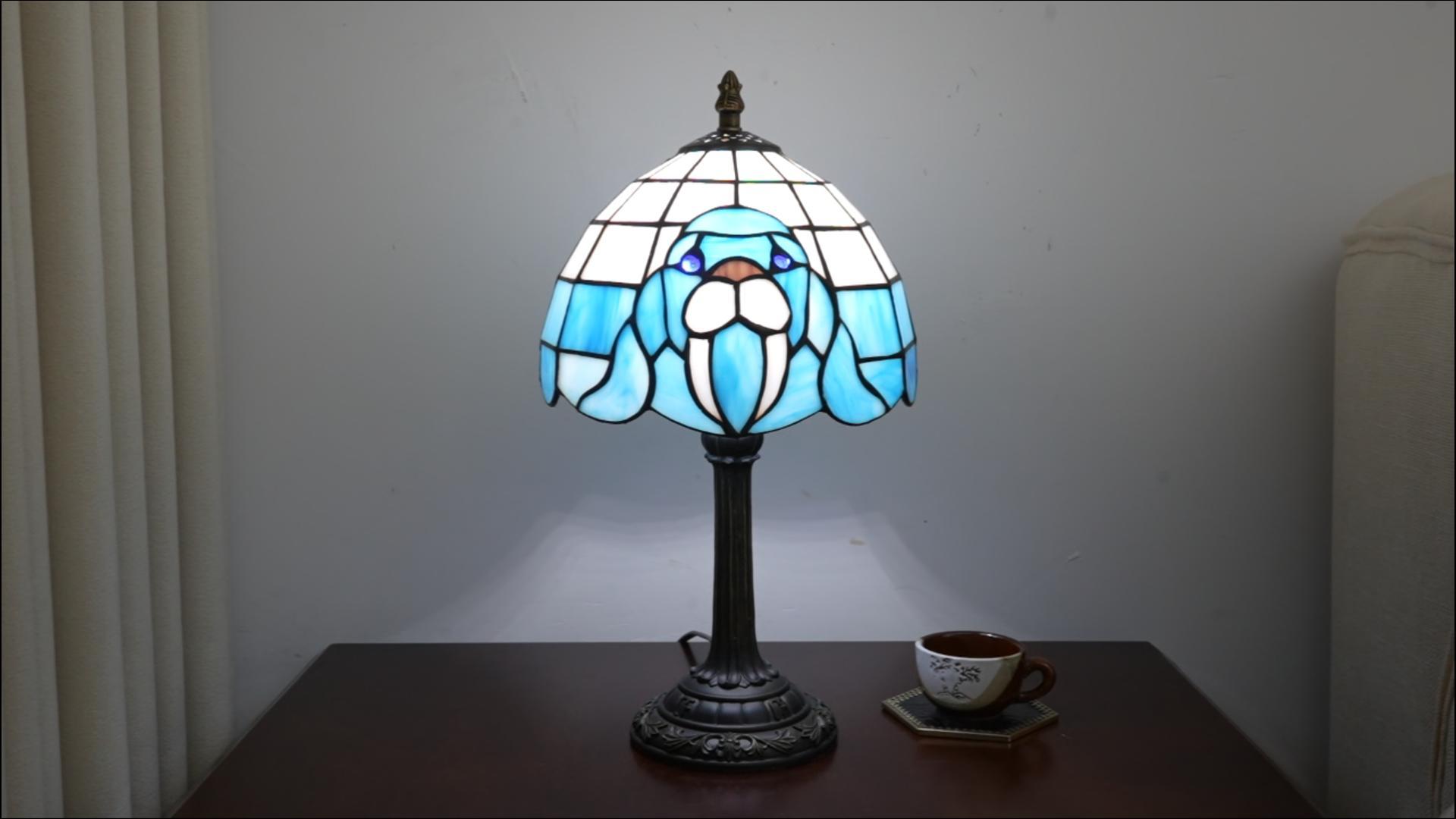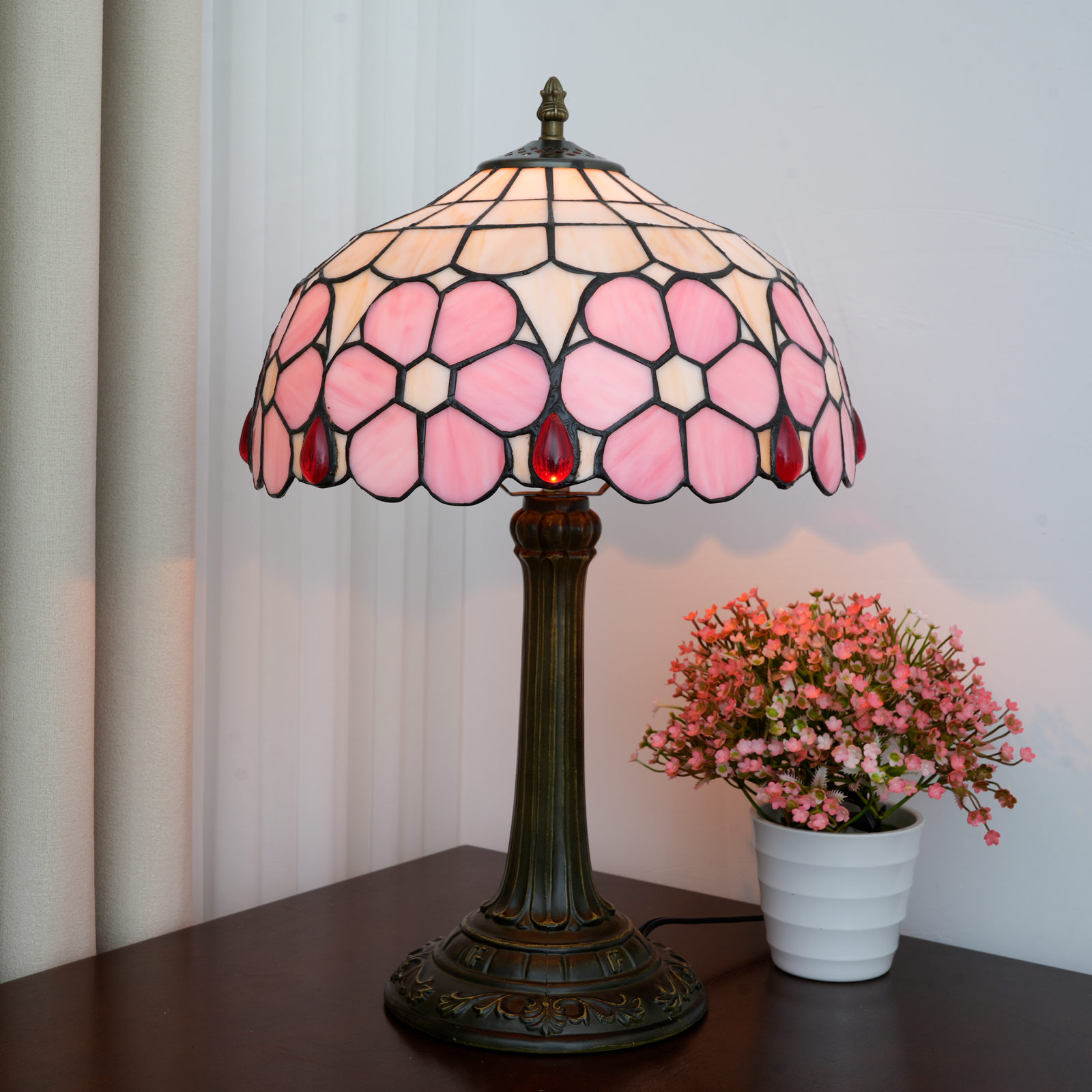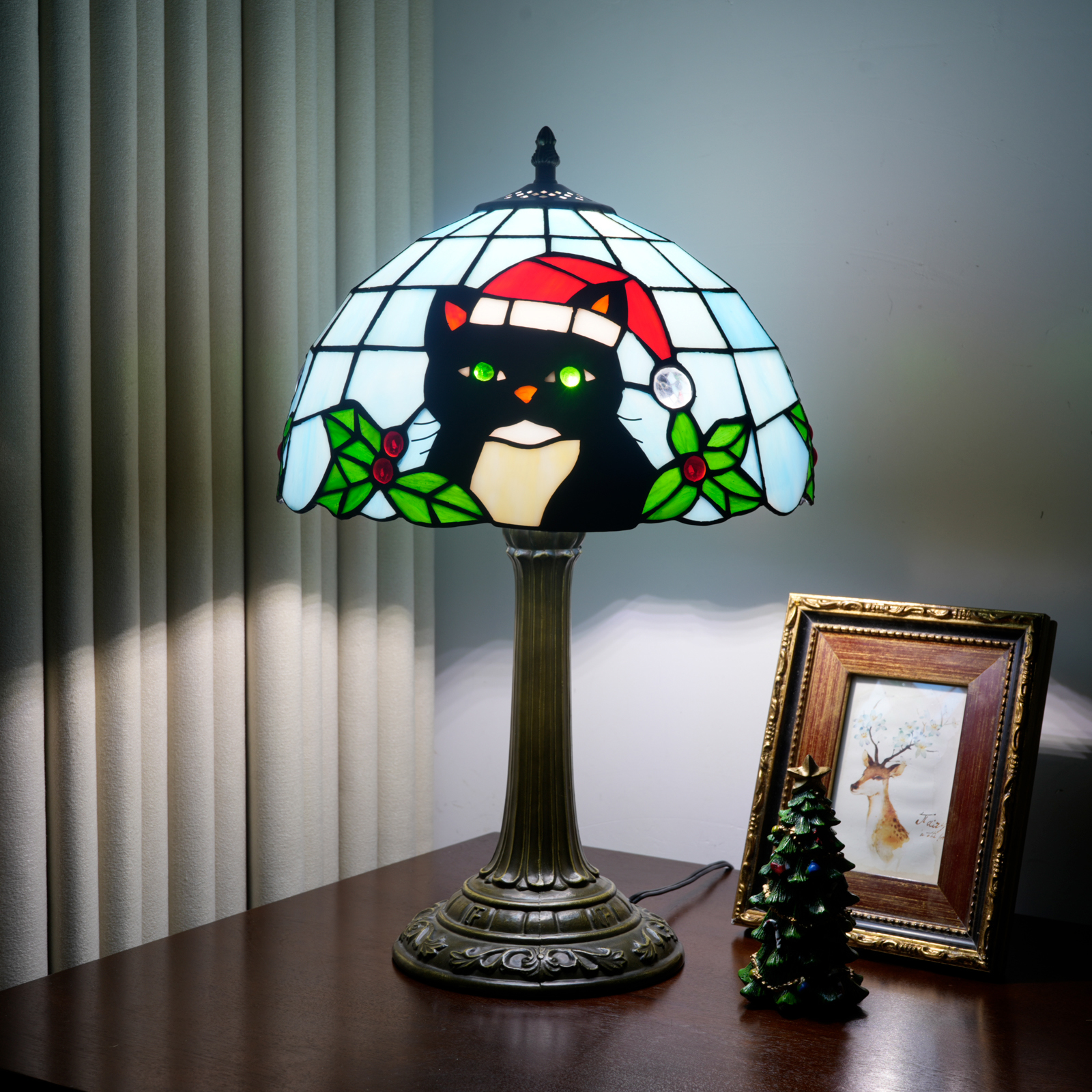





The Complete Guide to Table Lamps: Illuminating Your Space with Style and Functionstained galss lamp
November 7, 2026

Why Table Lamps Matter: More Than Just Illumination
A table lamp is often overlooked as a mere functional item, but it holds immense power to shape the mood and utility of a room. Beyond providing light for reading or working, a well-chosen table lamp can serve as a decorative statement, a focal point, and even a solution to lighting challenges. In living rooms, bedrooms, and offices, table lamps add layers of light that enhance ambiance and reduce eye strain. They are versatile, portable, and available in countless designs, making them a staple in interior design. Whether you seek a cozy reading nook or a bright workspace, understanding the role of table lamps is the first step toward smarter lighting choices.
Key Factors to Consider When Choosing a Table Lamp
Selecting the right table lamp involves balancing aesthetics, functionality, and practicality. Here are the critical factors to evaluate:
1. Purpose and Placement: Determine the primary use of the lamp. For task lighting (e.g., reading or working), choose a lamp with adjustable brightness and a focused beam. For ambient lighting, opt for a softer, diffused glow. Consider the lamp's height relative to its placement—a lamp on a bedside table should be tall enough to cast light over your shoulder, while a desk lamp should illuminate your workspace without glare.
2. Size and Scale: The lamp should complement the furniture it sits on. A general rule: the lamp's height (including shade) should be roughly 1.5 times the height of the table from floor to tabletop. For a side table, the lamp should not exceed the width of the table to avoid a cluttered look.
3. Light Output and Color Temperature: Measured in lumens, the brightness should match the task. For reading, aim for 400–800 lumens. Color temperature (measured in Kelvin) affects the atmosphere: warm white (2700K–3000K) creates a cozy feel, while cool white (3500K–5000K) is better for focused work. Dimmable lamps offer flexibility for different times of day.
4. Style and Design: The lamp's style should harmonize with the room's decor. Modern minimalist spaces suit sleek metal or glass lamps, while traditional rooms may favor classic ceramic or brass bases. The shade shape also matters—drum shades diffuse light evenly, while empire shades direct it downward.
Types of Table Lamps: Finding Your Perfect Match
Table lamps come in various types, each suited to specific needs:
Desk Lamps: Designed for task lighting, these often feature adjustable arms and focused beams. Ideal for offices and study areas.
Bedside Lamps: Usually smaller with softer light, these create a relaxing atmosphere for reading before sleep. Look for lamps with built-in dimmers or touch controls.
Buffet Lamps: Taller and more decorative, these are perfect for sideboards or console tables, adding elegance to dining or living rooms.
Novelty Lamps: These serve as statement pieces, from sculptural designs to themed lamps. They add personality but may sacrifice some functionality.
When choosing, consider the lamp's base and shade material. Metal bases are durable and modern, while ceramic or wood bases offer warmth and texture. Fabric shades provide soft, diffused light, whereas metal or glass shades create more directed illumination.
Placement and Styling Tips for Table Lamps
Proper placement enhances both the lamp's function and its visual appeal. In a living room, place a table lamp on an end table beside a sofa to create a reading corner. Ensure the bottom of the shade is at eye level when seated to avoid glare. In bedrooms, bedside lamps should be positioned so the light falls onto your reading material without shining directly into your eyes. A common mistake is placing lamps too high or too low—adjust the height by choosing an appropriate base or using risers.
Styling-wise, consider symmetry: a pair of matching lamps on either side of a bed or sofa creates balance. For an eclectic look, mix and match styles but keep scale consistent. Also, think about the shade's color—light shades cast a brighter glow, while dark shades create dramatic, focused light. Finally, incorporate smart bulbs or dimmers to adapt lighting to different activities and times of day.
Maintenance and Safety: Keeping Your Table Lamp Shining
To ensure longevity and safety, regular maintenance is key. Dust the lamp and shade weekly with a microfiber cloth; for fabric shades, use a vacuum brush attachment. Always unplug the lamp before cleaning. Check cords periodically for fraying and replace if damaged. Use bulbs with the correct wattage to prevent overheating—LED bulbs are energy-efficient and remain cool, making them a safe choice. Avoid placing lamps near water sources or flammable materials. If using a dimmer, ensure the bulb is compatible to prevent flickering or buzzing.
常见问题
What is the ideal height for a table lamp?
The ideal height depends on its use. For bedside reading, the lamp should be tall enough so the shade sits at or slightly below eye level when seated. For desk lamps, the shade should be around 12–15 inches above the work surface to provide ample light without glare.
How many lumens do I need for reading?
For reading, aim for 400–800 lumens. A 60-watt incandescent equivalent LED bulb (about 800 lumens) is sufficient. Adjust based on personal preference and room size; dimmable options offer flexibility.
Can I use any bulb in my table lamp?
Check the lamp's maximum wattage and bulb type. LED bulbs are versatile and energy-efficient, but ensure they are compatible with dimmers if you use one. Avoid exceeding the recommended wattage to prevent overheating.
How do I clean a fabric lampshade?
Use a vacuum with a brush attachment on low suction to remove dust. For stains, spot-clean with a mild detergent and water, but avoid soaking. Let it air dry completely before reattaching.