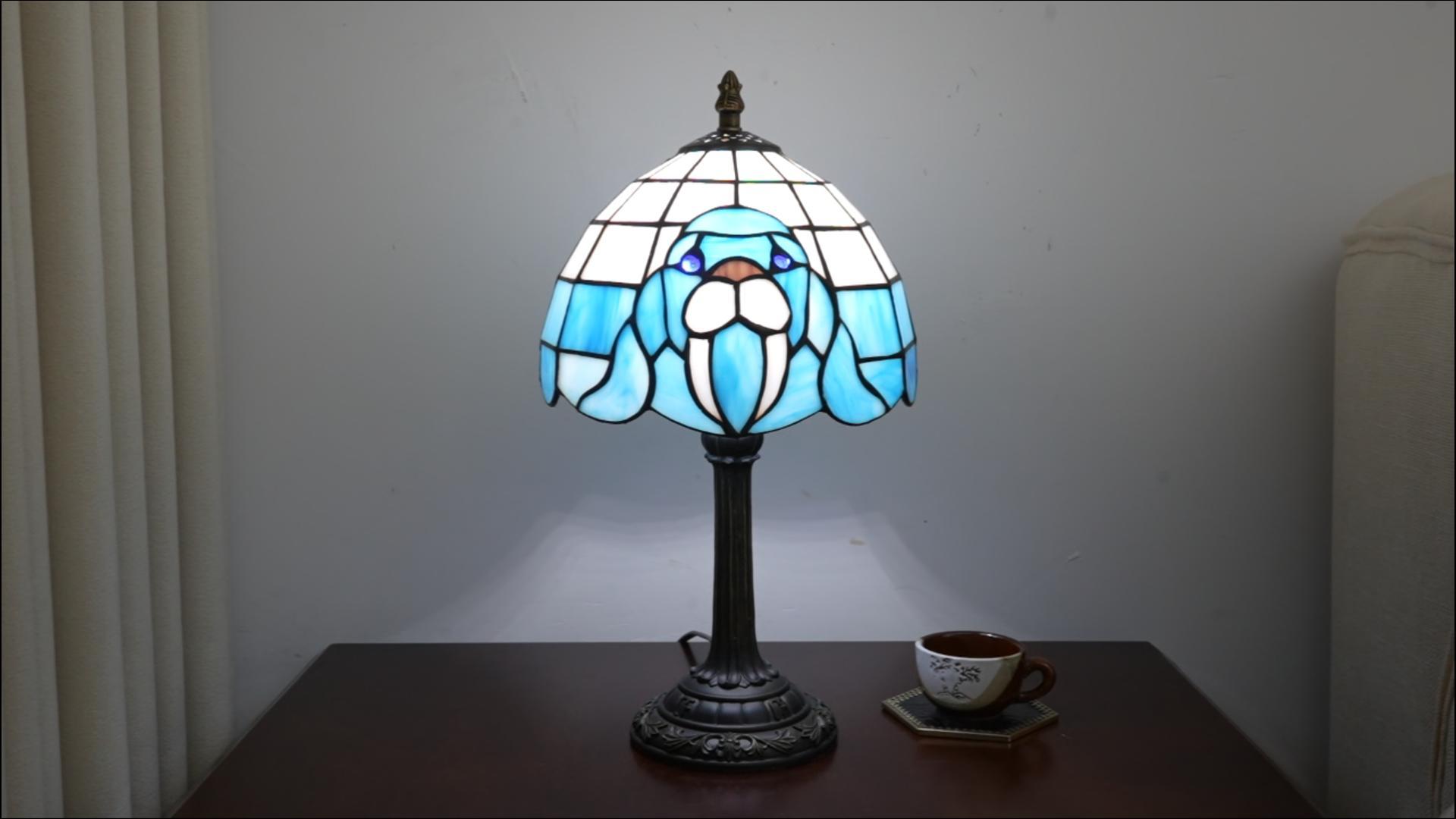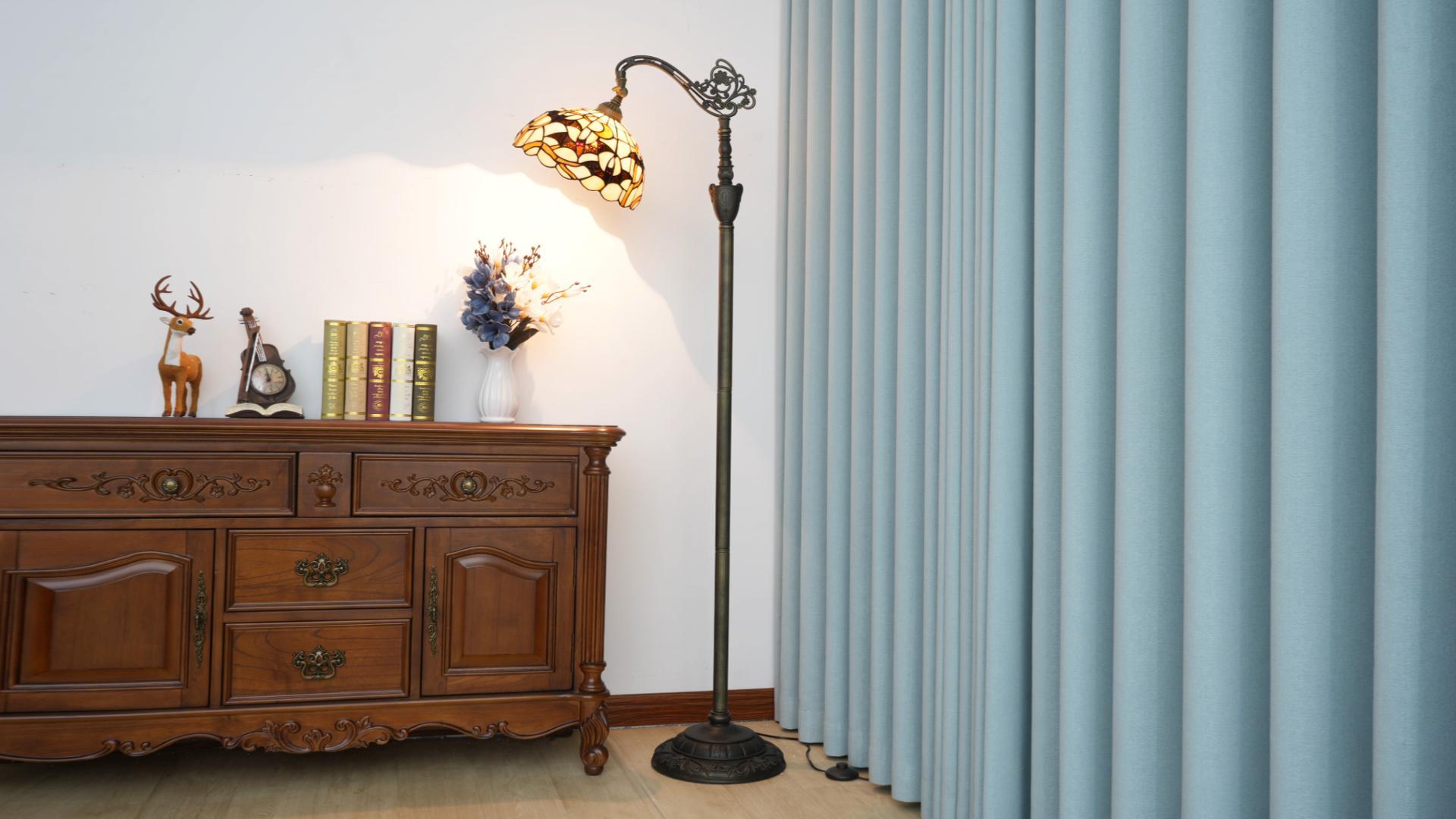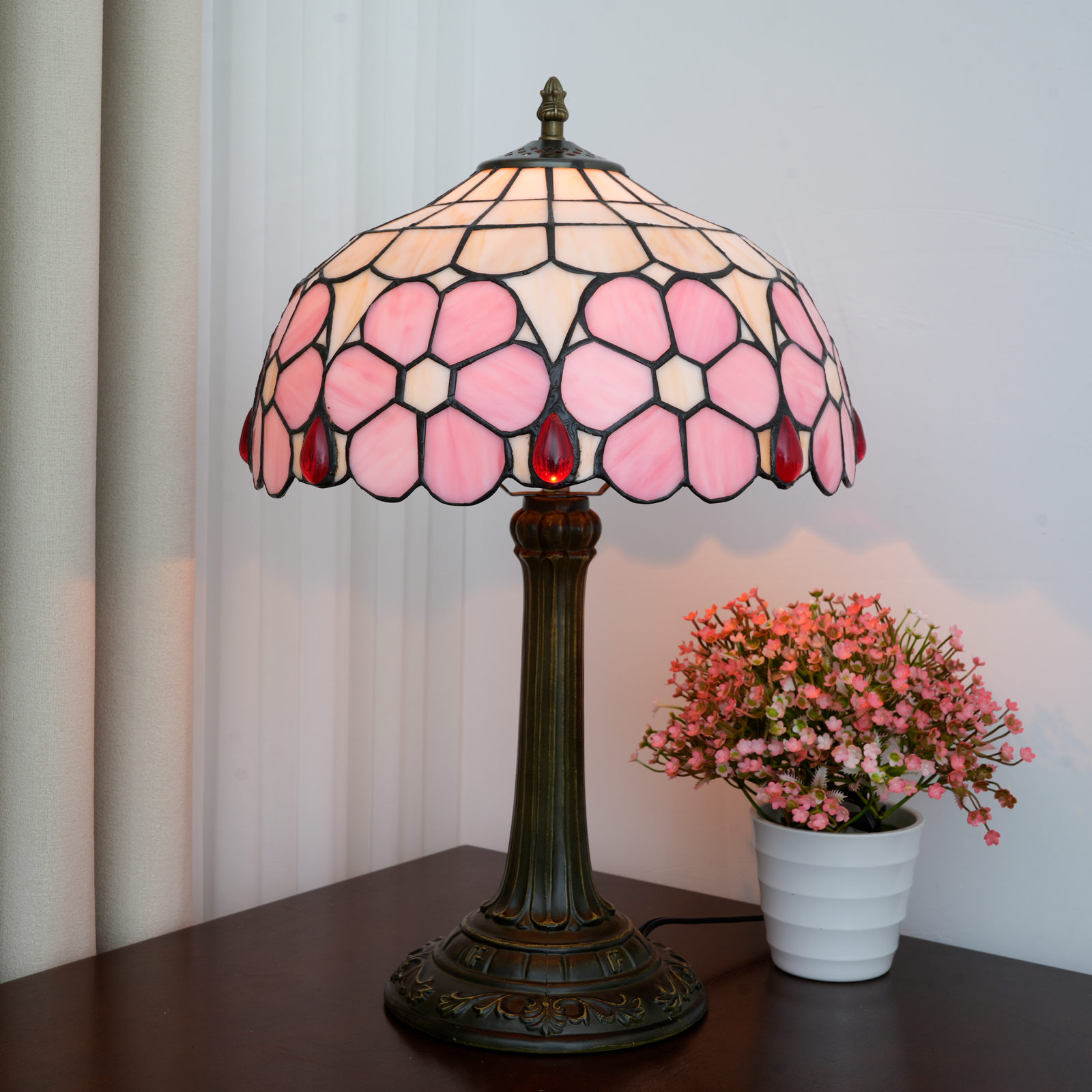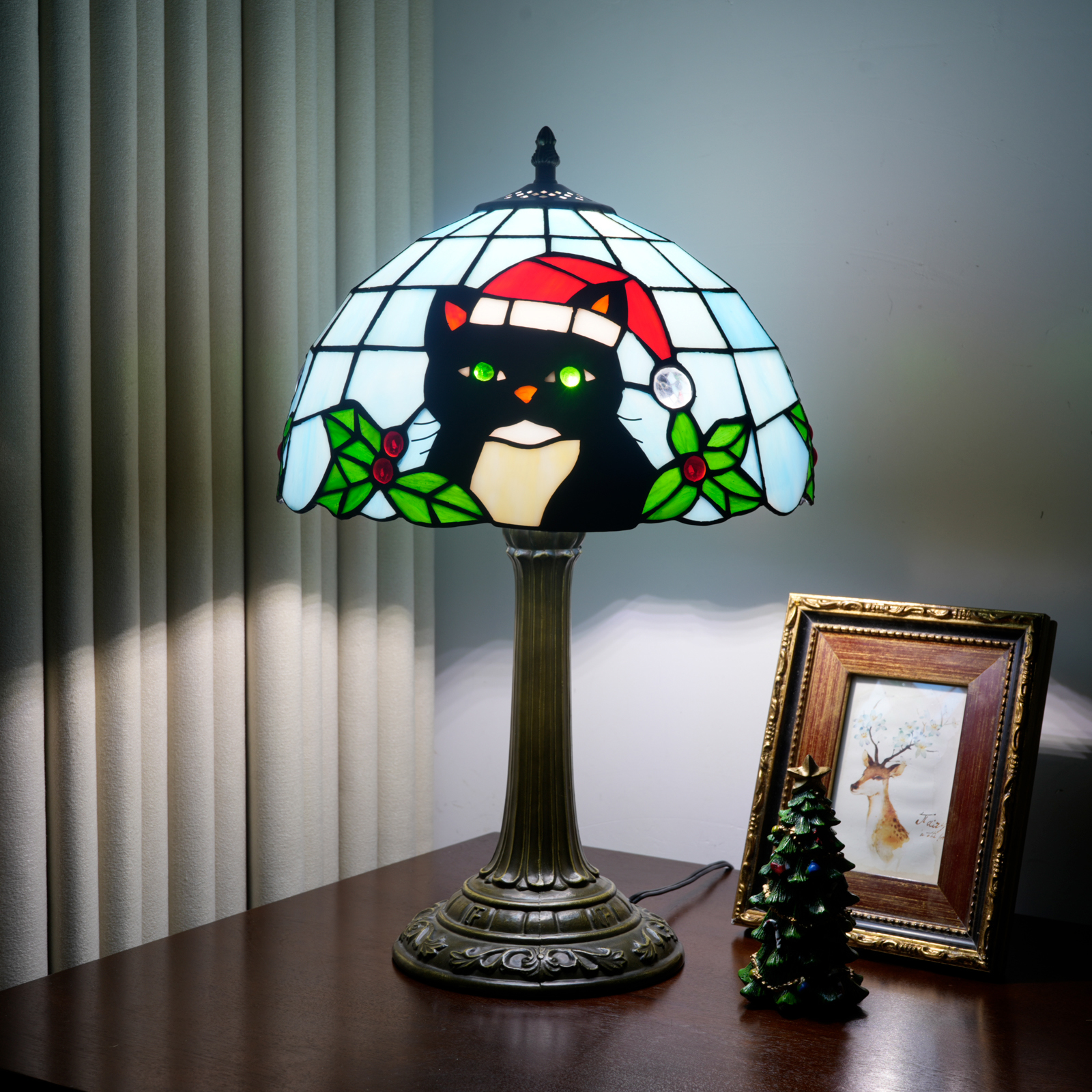









The Complete Guide to Night Lights: Benefits, Types, and Best Practicesstained galss lamp
November 12, 2026
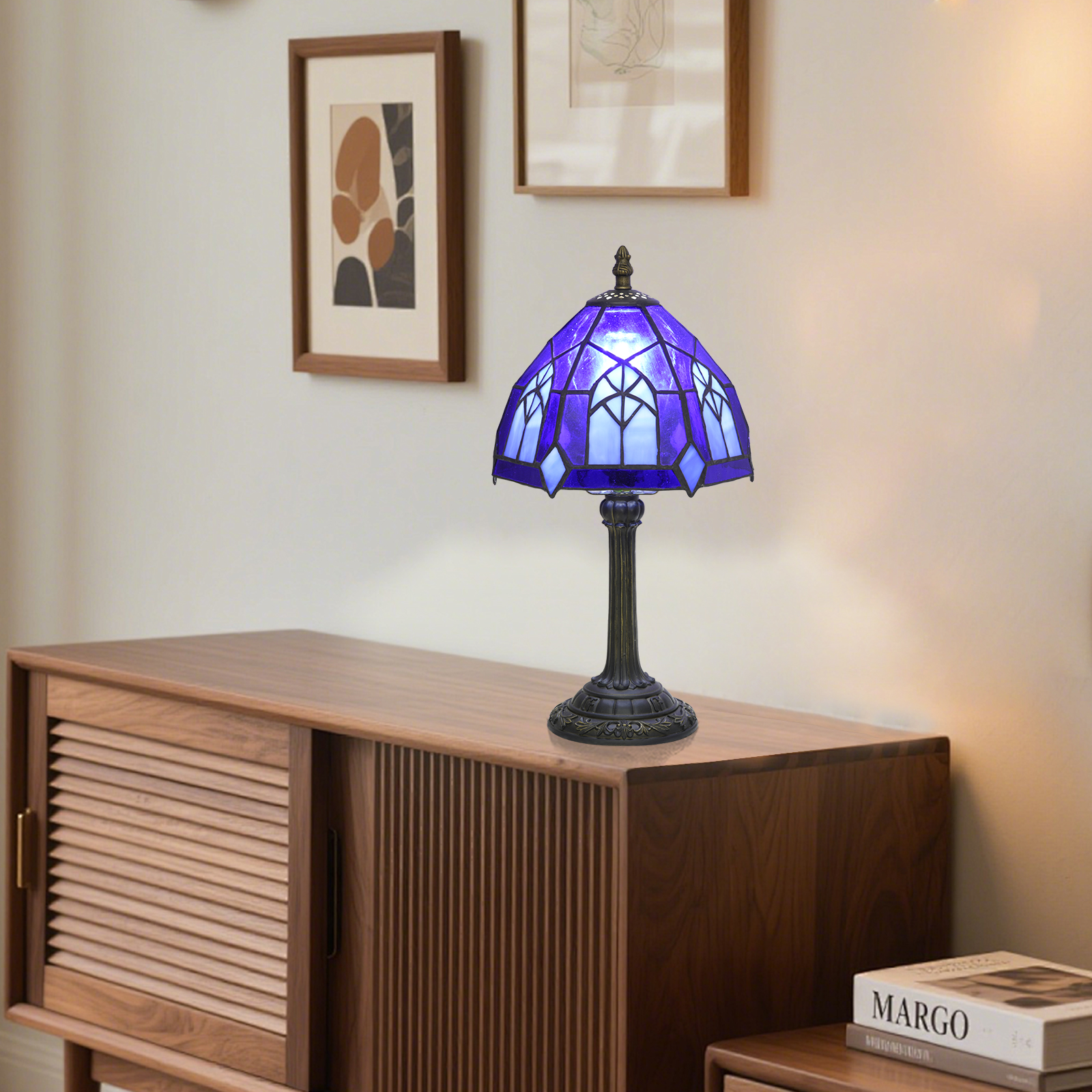
What Is a Night Light and Why Does It Matter?
A night light is a small, low-intensity light source designed to provide illumination during nighttime hours without disrupting sleep. Unlike regular lamps, night lights emit a soft glow that is enough to navigate a room safely but not so bright that it interferes with melatonin production or wakes you up. They are commonly used in bedrooms, hallways, bathrooms, and nurseries. The importance of a night light goes beyond mere convenience: it can reduce the risk of falls, ease anxiety in children, and help adults move around safely at night. In this guide, we'll explore the benefits, types, and best practices for using night lights effectively.
The Benefits of Using a Night Light
Night lights offer several practical and psychological benefits. For children, a night light can provide comfort and reduce fear of the dark, making bedtime easier. For adults, especially older adults, a night light in the hallway or bathroom can prevent accidents by illuminating obstacles and improving visibility. For new parents, a night light allows them to check on the baby or feed during the night without turning on harsh overhead lights that might disturb the baby's sleep. Additionally, night lights can be used as emergency lighting during power outages. Psychologically, a soft light can create a calming atmosphere, reducing stress and promoting relaxation.
Types of Night Lights: Which One Is Right for You?
Night lights come in various designs and technologies, each with its own advantages. Plug-in night lights are the most common; they plug directly into a wall outlet and often have built-in sensors that turn on automatically when it gets dark. Battery-operated night lights are portable and can be placed anywhere, making them ideal for closets or areas without outlets. Rechargeable night lights are convenient and eco-friendly, as they can be charged via USB. Smart night lights can be controlled via smartphone apps, allowing you to adjust brightness, color, and scheduling. Motion-activated night lights turn on only when movement is detected, saving energy. Projection night lights project stars or images onto the ceiling, often used for children's rooms. When choosing a night light, consider the brightness (measured in lumens), color temperature (warm white is best for sleep), and features like sensors and timers.
How to Choose the Best Night Light for Your Needs
Selecting the right night light depends on your specific needs. For children's rooms, choose a night light with a warm, soft glow and perhaps a fun design or projection feature. Ensure it is cool to the touch and has no small parts that could be a choking hazard. For hallways and bathrooms, opt for motion-activated or plug-in night lights that provide enough light to see clearly but not so much that it disrupts sleep. For bedrooms, consider a dimmable night light or one with an adjustable color temperature; warm amber or red light is ideal as it has minimal impact on melatonin. For travel, a portable battery-operated or rechargeable night light is convenient. Also, check for energy efficiency; LED night lights consume very little power and last for years.
Best Practices for Using Night Lights
To maximize the benefits of night lights while minimizing any negative effects, follow these best practices. First, keep the brightness low; a night light should be just bright enough to see, not to read by. Second, choose warm colors (red, orange, or amber) rather than blue or white light, as blue light suppresses melatonin and can disrupt sleep. Third, position the night light so that it does not shine directly into your eyes or onto your bed; indirect lighting is better. Fourth, use motion sensors or timers to conserve energy and avoid unnecessary light exposure. Fifth, keep night lights away from curtains or flammable materials to prevent fire hazards. Finally, regularly clean and check your night lights for dust and proper functioning.
Common Mistakes to Avoid with Night Lights
Many people unknowingly misuse night lights, which can negate their benefits. A common mistake is using a night light that is too bright, which can disrupt sleep and confuse the body's circadian rhythm. Another mistake is placing the night light too close to the bed or at eye level, causing glare. Using blue or cool white night lights in the bedroom is also problematic because blue light interferes with sleep hormone production. Some people leave night lights on all night in every room, which is unnecessary and wastes energy; use them only where needed. Lastly, neglecting safety—such as using a night light with a damaged cord or placing it near water—can pose risks. Avoid these pitfalls to get the most out of your night light.
Frequently Asked Questions
Are night lights safe for babies?
Yes, night lights can be safe for babies if you choose a cool-to-touch LED model and place it away from the crib. Use a dim, warm light to avoid disrupting sleep. Avoid night lights with small parts or cords that could be a hazard.
Do night lights affect sleep quality?
Night lights can affect sleep if they are too bright or emit blue light. However, a dim, warm night light is unlikely to disrupt sleep and can even help children feel secure. For adults, using a night light only when needed (e.g., for bathroom trips) is best.
What color night light is best for sleep?
Warm colors like red, orange, and amber are best because they have minimal impact on melatonin production. Avoid blue and white light, which can suppress melatonin and interfere with sleep.
How many lumens should a night light have?
A night light should typically be between 1 and 10 lumens, depending on the purpose. For a bedroom, 1-5 lumens is sufficient; for a hallway, up to 10 lumens may be needed for safety.
Can I use a night light in my child's room all night?
Yes, but choose a dim, warm night light and place it away from your child's face. Some experts recommend using a timer to turn it off after your child falls asleep, but this is a personal choice.