




The Art and Craft of Stained Glass Lamps: A Comprehensive Guideunique lamps
November 6, 2026

Introduction to Stained Glass Lamps
Stained glass lamps have captivated homeowners and art enthusiasts for centuries. These lamps, often associated with the Art Nouveau movement and the iconic works of Louis Comfort Tiffany, are celebrated for their vibrant colors and intricate designs. But what exactly is a stained glass lamp? In simple terms, it is a lamp whose shade is made from pieces of colored glass joined together with metal framework. The result is a stunning interplay of light and color that transforms any room into a warm, inviting space.
The History and Evolution of Stained Glass Lamps
The origins of stained glass can be traced back to ancient times, but it was during the Middle Ages that the craft became prominent in European cathedrals. However, the stained glass lamp as we know it today emerged in the late 19th century, thanks to pioneers like Louis Comfort Tiffany. Tiffany's innovative techniques, such as using opalescent glass and copper foil, revolutionized the industry. His lamps became symbols of luxury and artistic expression, and they remain highly sought after by collectors today.
Craftsmanship: How Stained Glass Lamps Are Made
Creating a stained glass lamp is a meticulous process that requires skill and patience. The traditional method involves several steps: designing the pattern, selecting and cutting the glass, wrapping each piece in copper foil or lead came, soldering the pieces together, and finally assembling the lamp. Each step demands precision, and the choice of glass—whether cathedral, opalescent, or textured—greatly affects the final appearance. Artisans often spend hours on a single lamp, ensuring that every piece fits perfectly and that the light shines through beautifully.
Types of Stained Glass Lamps
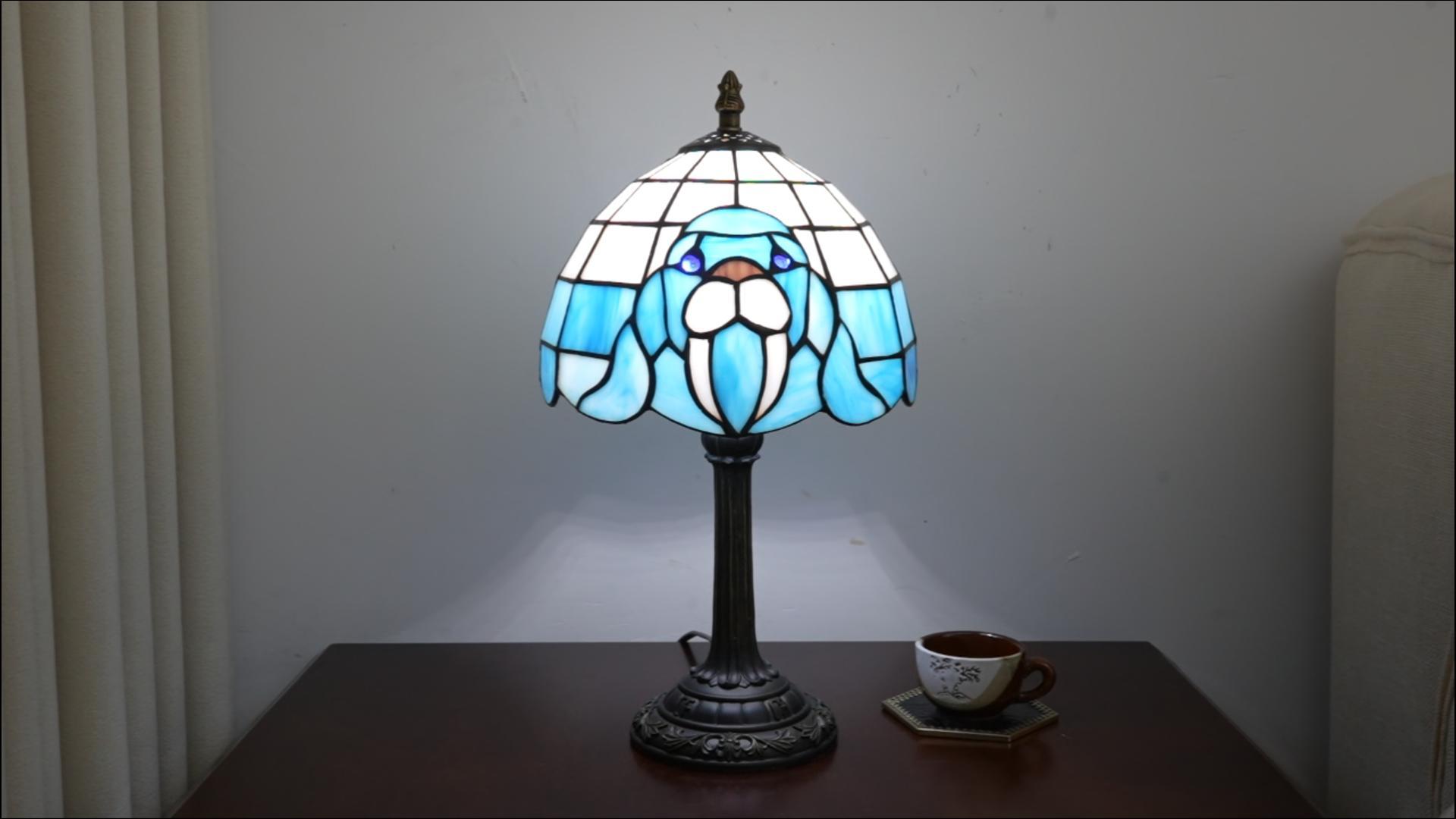
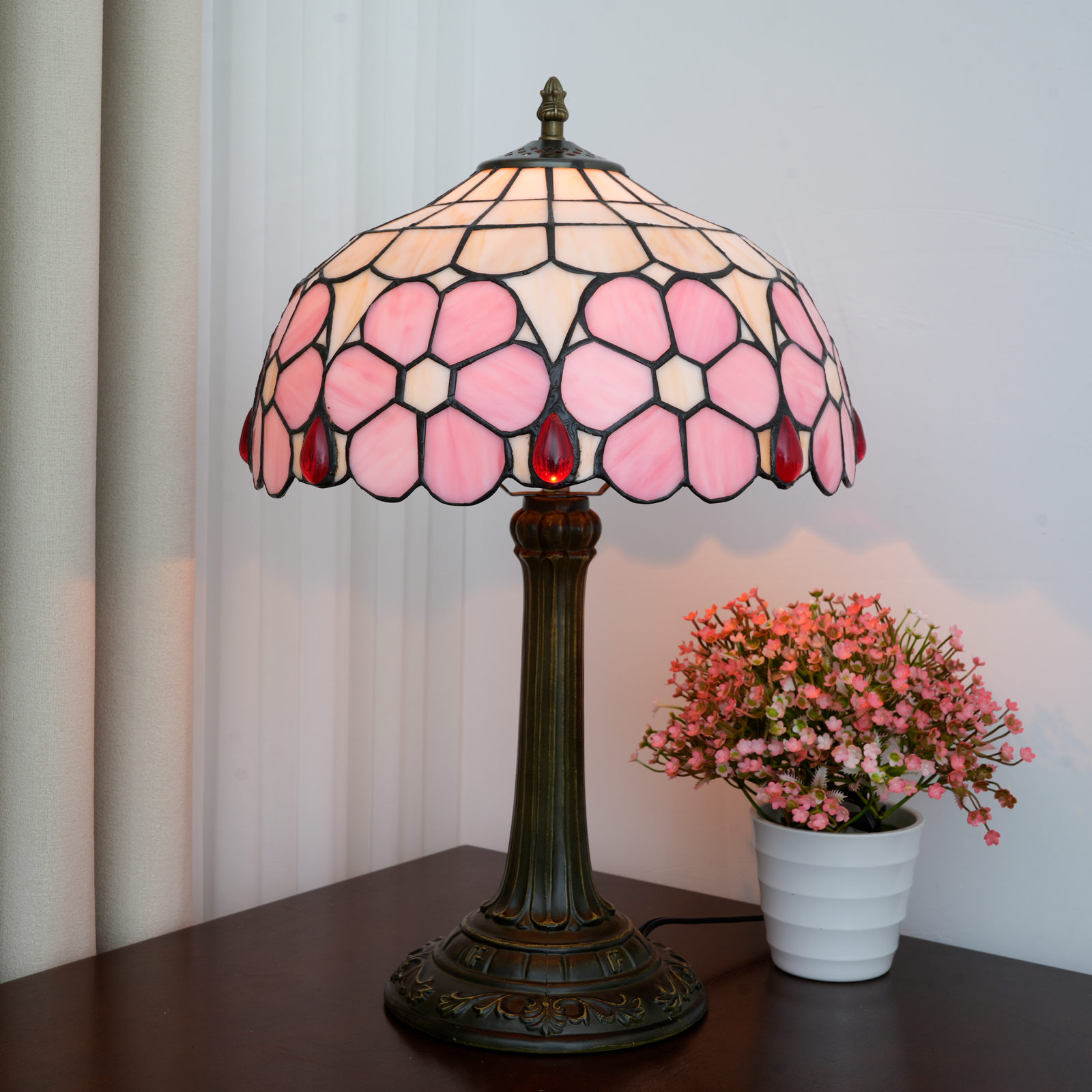
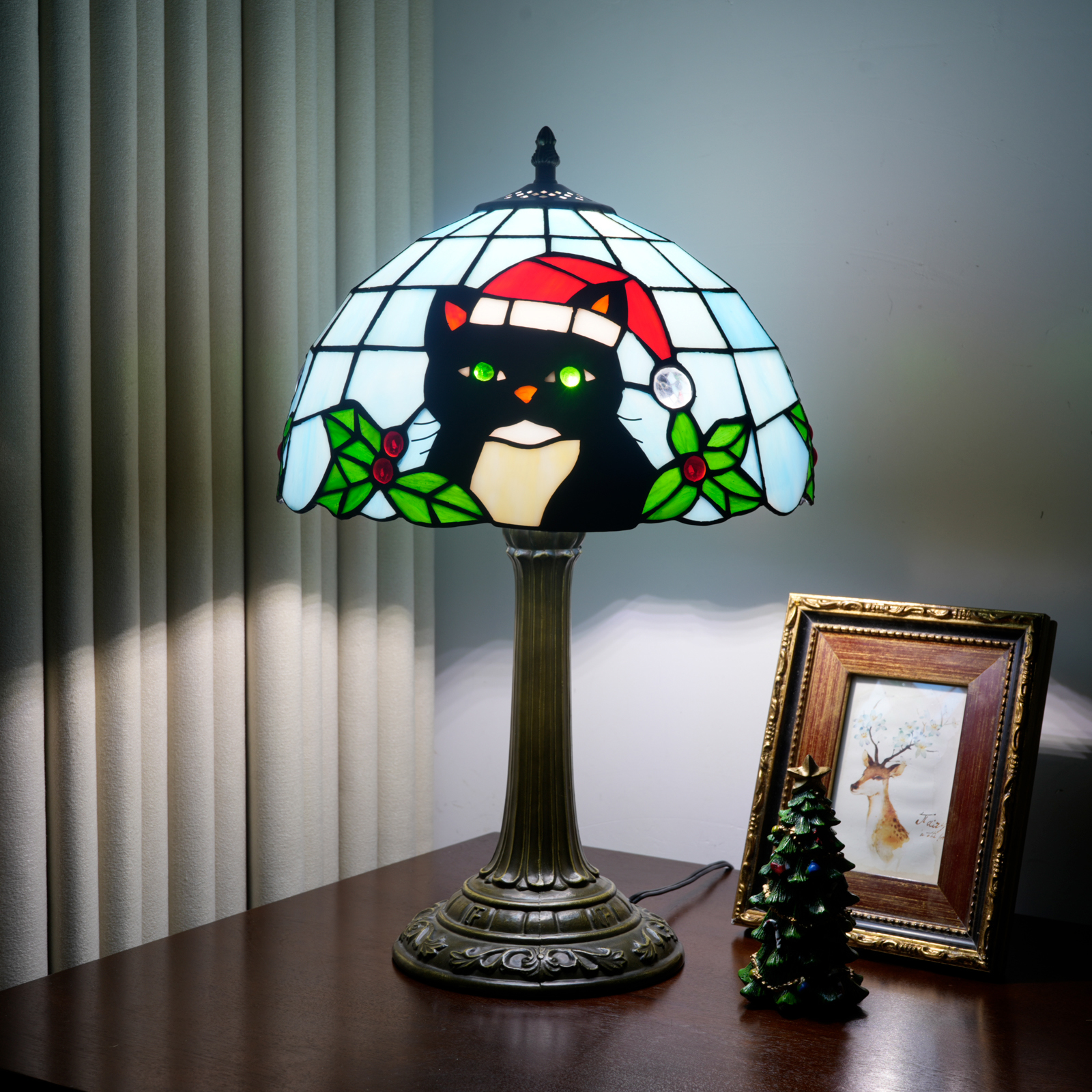
Stained glass lamps come in various styles to suit different tastes and decors. Tiffany-style lamps are perhaps the most famous, characterized by their floral and geometric patterns. Mission-style lamps feature simpler, straight lines and are often associated with the Arts and Crafts movement. Victorian-style lamps are ornate and elaborate, while contemporary stained glass lamps might incorporate modern designs and bold colors. Additionally, there are table lamps, floor lamps, and hanging pendants, each serving different functional and aesthetic purposes.
Choosing the Right Stained Glass Lamp for Your Space
When selecting a stained glass lamp, consider the room's existing decor and lighting needs. For a living room with rich wood furnishings, a Tiffany-style lamp with warm tones can enhance the ambiance. In a study or office, a mission-style lamp with clean lines might be more appropriate. Size matters: a large floor lamp can anchor a seating area, while a small table lamp works well on a side table. Also, think about the type of light you want—stained glass lamps cast a soft, colorful glow, so they are best used as accent lighting rather than primary task lighting.
Care and Maintenance of Stained Glass Lamps
To keep your stained glass lamp looking its best, regular care is essential. Dust the shade gently with a soft, dry cloth or a brush attachment on a vacuum. Avoid using harsh chemicals or abrasive cleaners, as they can damage the glass and the metal framework. If the lamp needs a deeper clean, use a mild soap solution and a soft cloth, then dry immediately. Check the wiring periodically and replace any worn cords to ensure safety. With proper care, a quality stained glass lamp can last for generations.
Common Mistakes to Avoid When Buying a Stained Glass Lamp
Buying a stained glass lamp can be a significant investment, so it's important to avoid common pitfalls. First, don't be fooled by cheap imitations; authentic stained glass lamps are heavy and have a solid feel. Check the soldering—it should be smooth and consistent. Second, consider the light source: some lamps are designed for specific bulb types, so ensure you can easily replace bulbs. Finally, don't overlook the base and hardware; they should be sturdy and well-finished to support the shade.
Incorporating Stained Glass Lamps into Modern Interiors
While stained glass lamps are often associated with traditional or vintage decor, they can also make a stunning statement in modern interiors. A single, colorful lamp can serve as a focal point in a minimalist room, adding a pop of color and texture. In contemporary settings, consider a stained glass pendant light over a dining table or a sleek table lamp on a console. The key is to balance the ornate nature of the lamp with clean lines and neutral tones elsewhere in the room.
Frequently Asked Questions
What is the difference between a stained glass lamp and a Tiffany lamp?
Tiffany lamps are a specific type of stained glass lamp created by Louis Comfort Tiffany and his company. While all Tiffany lamps are stained glass, not all stained glass lamps are Tiffany. The term "Tiffany style" refers to lamps made in the manner of Tiffany, but they may not be authentic antiques.
How can I tell if a stained glass lamp is of good quality?
Look for signs of quality craftsmanship: smooth, even soldering; tightly fitted glass pieces; a sturdy base; and a weighty feel. Authentic stained glass lamps often use high-quality glass that sparkles and has depth. Also, check for a signature or maker's mark if you're buying an antique.
Can stained glass lamps be used as primary lighting?
Stained glass lamps are generally better suited for accent or ambient lighting because the colored glass filters the light, reducing brightness. However, some larger lamps with lighter glass can provide sufficient light for reading or tasks. It's best to use them in combination with other light sources.
How do I replace a bulb in a stained glass lamp?
Most stained glass lamps have a socket that can be accessed by removing the shade or through an opening. Always turn off the power before changing the bulb. Use the recommended bulb type and wattage to avoid overheating or damage to the shade.