




Table Light Essentials: A Comprehensive Guide to Choosing and Using Table Lampsbedroom lamp
October 27, 2026
Understanding Table Lights: More Than Just Illumination
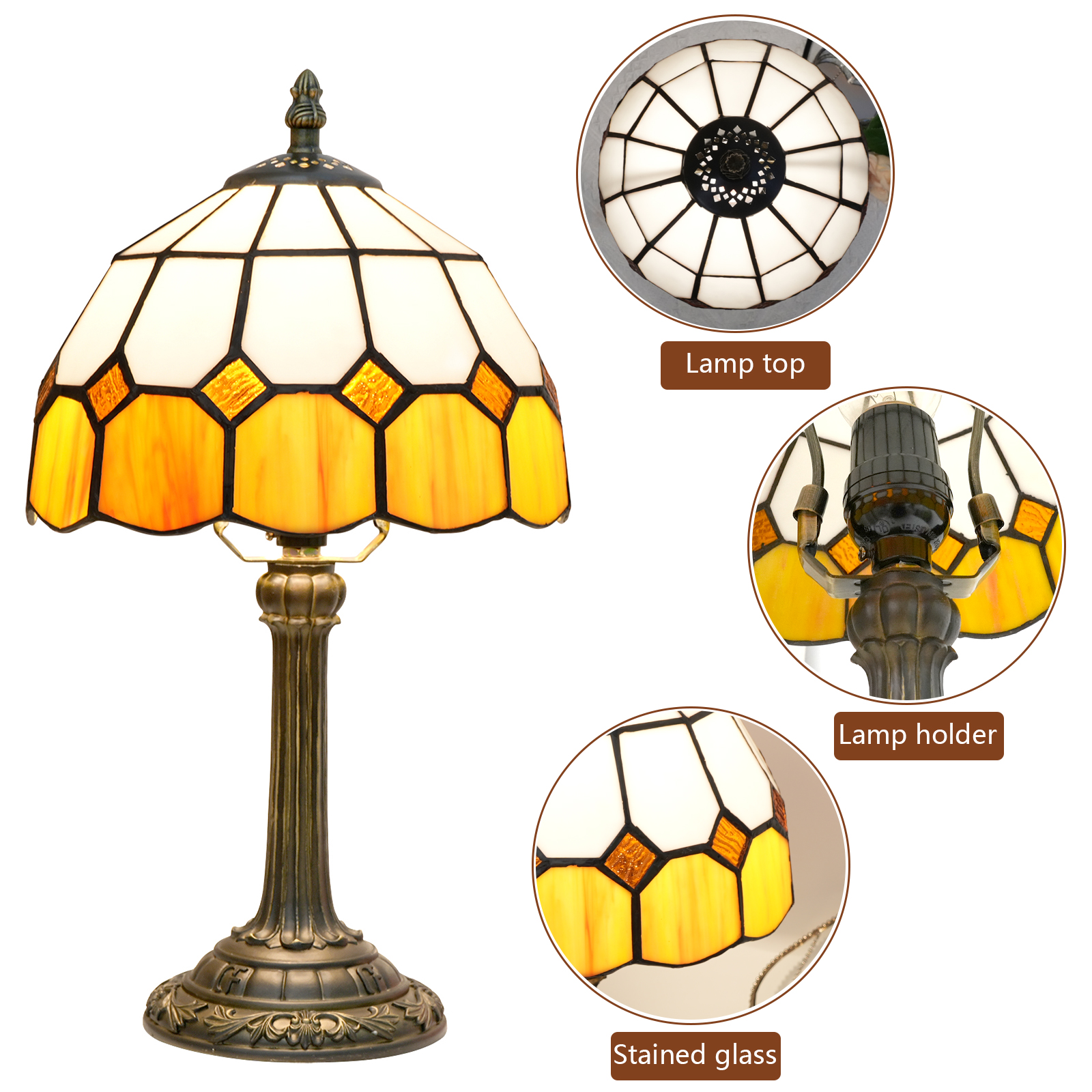
Table lights, or table lamps, are portable lighting fixtures designed to be placed on tables, desks, or other flat surfaces. They serve multiple purposes: providing task lighting for reading or working, creating ambient atmosphere, and acting as decorative accents. Unlike ceiling fixtures, table lamps offer flexibility—you can easily move them to adjust lighting levels and highlight different areas. When choosing a table lamp, consider its primary function. For task lighting, look for adjustable arms and focused light; for ambiance, opt for diffused shades and warm bulbs. The versatility of table lights makes them indispensable in living rooms, bedrooms, and offices.
Key Factors in Selecting a Table Lamp
Before purchasing a table lamp, evaluate these critical factors: size and scale, shade material and shape, bulb type and brightness, and style compatibility. The lamp should be proportional to the furniture it sits on—a general rule is that the shade's bottom edge should be around eye level when seated. Shade materials affect light diffusion: fabric shades cast a soft glow, while metal or glass create more directed light. For bulbs, LED options are energy-efficient and long-lasting, with warm white (2700K-3000K) ideal for relaxation and cool white (4000K-5000K) better for tasks. Finally, match the lamp's design to your room's decor, whether modern, traditional, or eclectic.
Placement and Usage Tips for Optimal Lighting
Proper placement enhances both functionality and aesthetics. In a living room, place table lamps on side tables flanking a sofa to create symmetrical ambient light. For reading, position the lamp behind your shoulder to avoid glare, with the shade bottom at eye level. In bedrooms, use table lights on nightstands for soft, relaxing illumination—choose lamps with dimmable features or smart bulbs for adjustable brightness. In home offices, a desk lamp with an adjustable arm ensures focused light on your work area. Avoid placing lamps in front of windows or mirrors to prevent glare, and use multiple table lights to layer light and eliminate harsh shadows. Strategic placement can transform a room's atmosphere and improve visual comfort.
Common Mistakes to Avoid with Table Lights
Many people overlook key details when using table lamps. One common mistake is choosing a lamp that's too small or too large for its space—this disrupts visual balance. Another is using bulbs with excessive brightness or wrong color temperature, causing eye strain or an uncomfortable mood. Neglecting shade direction can lead to glare or insufficient light spread. Also, failing to consider the lamp's cord management can create clutter. To avoid these pitfalls, measure your space before shopping, test bulbs in the store if possible, and opt for lamps with adjustable features. Remember that quality over quantity—a well-chosen table light outperforms several poorly selected ones.
Style and Decor: Integrating Table Lights Seamlessly
Table lights are not just functional; they are design statements. Consider the lamp's base material (wood, metal, ceramic, glass) and shade color to complement your interior. For a cohesive look, repeat materials or finishes used elsewhere in the room. In minimalist spaces, a sleek metallic lamp adds a modern touch; in traditional rooms, a ceramic base with a pleated shade fits perfectly. Mixing styles can also work—a vintage lamp in a contemporary room creates an eclectic vibe. Don't forget the lamp's scale: a large lamp can serve as a focal point, while smaller ones act as accents. By treating table lights as decor, you enhance both light and aesthetics.
常见问题
What is the ideal height for a table lamp?
The ideal height depends on its use. For reading, the shade's bottom should be at eye level when seated, typically 24-30 inches from the surface. For ambient lighting, a slightly lower or higher placement works, but ensure the bulb is not visible to avoid glare.
Can I use any bulb in my table lamp?
No, check the lamp's maximum wattage and bulb type (e.g., LED, incandescent). Exceeding wattage can be hazardous. LED bulbs are recommended for energy efficiency and low heat, but ensure they are compatible with dimmers if your lamp has that feature.
How do I clean and maintain my table light?
Dust the shade regularly with a soft cloth or vacuum brush. For fabric shades, use a lint roller. Clean the base with a damp cloth (avoid harsh chemicals). Always unplug before cleaning, and replace bulbs promptly when they flicker or dim.
Are table lights energy-efficient?
Yes, if you use LED bulbs, which consume up to 80% less energy than incandescent. Look for ENERGY STAR certified lamps and bulbs to maximize efficiency and longevity.