




Illuminating Your Living Room: A Comprehensive Guide to Choosing the Perfect Lampshome decor
October 29, 2026
Why Lamps for Living Room Are Essential
Lamps for living room are more than just sources of light; they are design elements that set the mood, enhance functionality, and reflect your personal style. A well-lit living room can feel cozy, spacious, or energetic, depending on the lighting choices you make. Layered lighting—combining ambient, task, and accent lights—is key to a versatile living space. Ambient lighting provides overall illumination, task lighting helps with activities like reading, and accent lighting highlights architectural features or artwork. By strategically placing lamps, you can create a harmonious balance that caters to both everyday activities and special occasions.
Types of Lamps for Living Room
When selecting lamps for living room, consider the various types available: floor lamps, table lamps, pendant lights, and wall sconces. Floor lamps are ideal for corner lighting or beside a reading chair, providing both ambient and task light. Table lamps work well on side tables or consoles, adding a soft glow and decorative flair. Pendant lights can serve as a statement piece over a coffee table or seating area, while wall sconces save floor space and add elegance. Each type has its place, and mixing them can create a layered, sophisticated look.
How to Choose the Right Lamps for Your Living Room
Choosing the perfect lamps for living room involves assessing your space and needs. Start by considering the size of the room: larger rooms may require multiple light sources, while smaller rooms benefit from a few well-placed lamps to avoid clutter. Next, think about function: do you need bright light for reading or a soft glow for entertaining? Adjustable lamps with dimmers offer flexibility. Also, consider the style of your living room—modern, traditional, rustic, or eclectic—and choose lamps that complement the existing decor. Finally, pay attention to bulb type; LED bulbs are energy-efficient and come in various color temperatures, from warm white (2700K) to cool white (5000K), allowing you to tailor the ambiance.
Placement Strategies for Lamps for Living Room
Proper placement of lamps for living room can dramatically improve both aesthetics and functionality. Use the triangle rule: imagine a triangle connecting three light sources at different heights to create visual interest. For example, place a floor lamp in one corner, a table lamp on a side table, and a pendant light overhead. Ensure that task lighting is positioned close to where you need it—like a reading lamp beside your favorite armchair. Avoid placing lamps directly in front of windows to reduce glare, and use accent lighting to highlight art or architectural details. Additionally, consider the scale of the lamp relative to the furniture; a large lamp on a small table can look disproportionate.
Styling Tips: Lamps as Decor
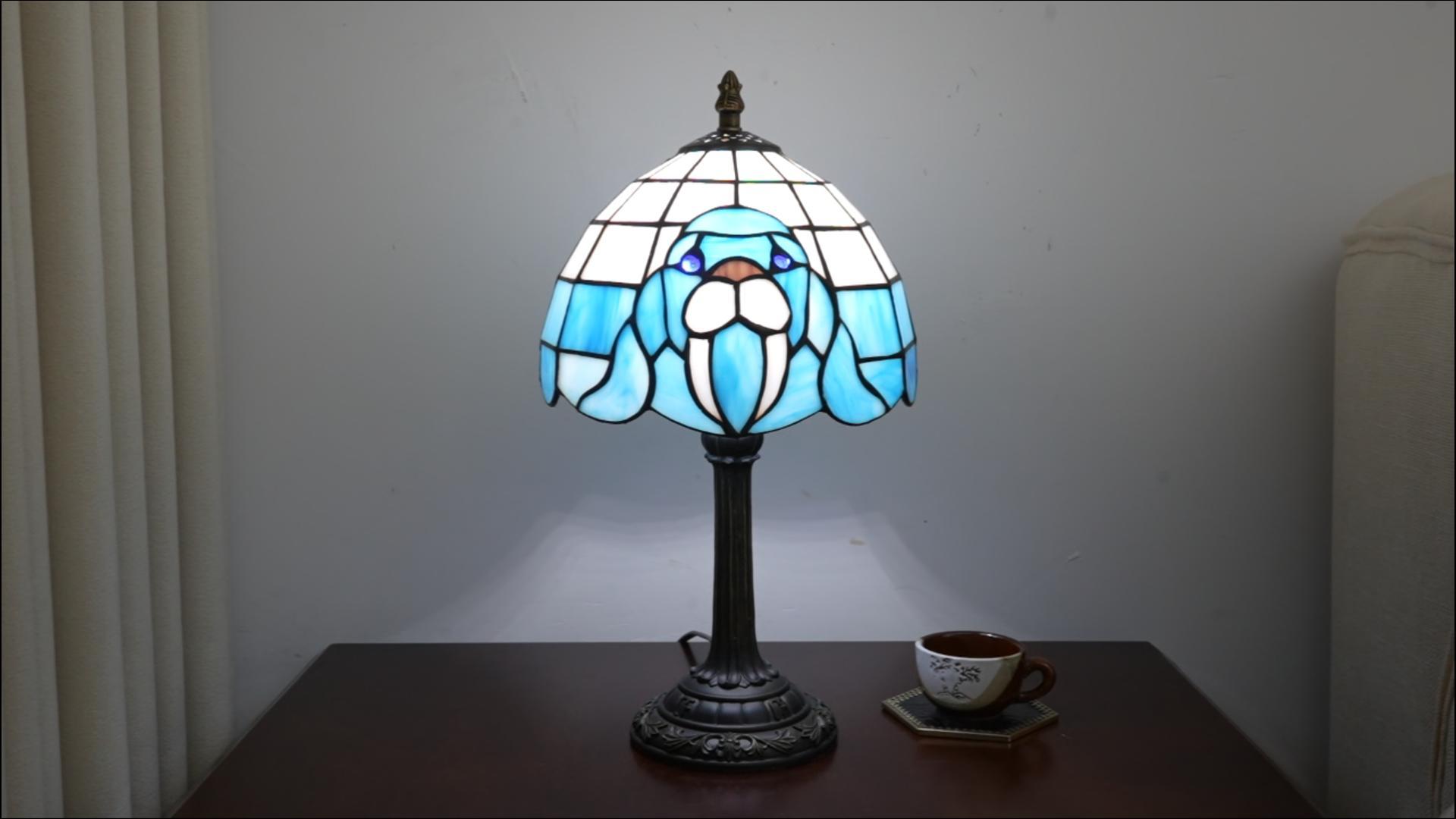
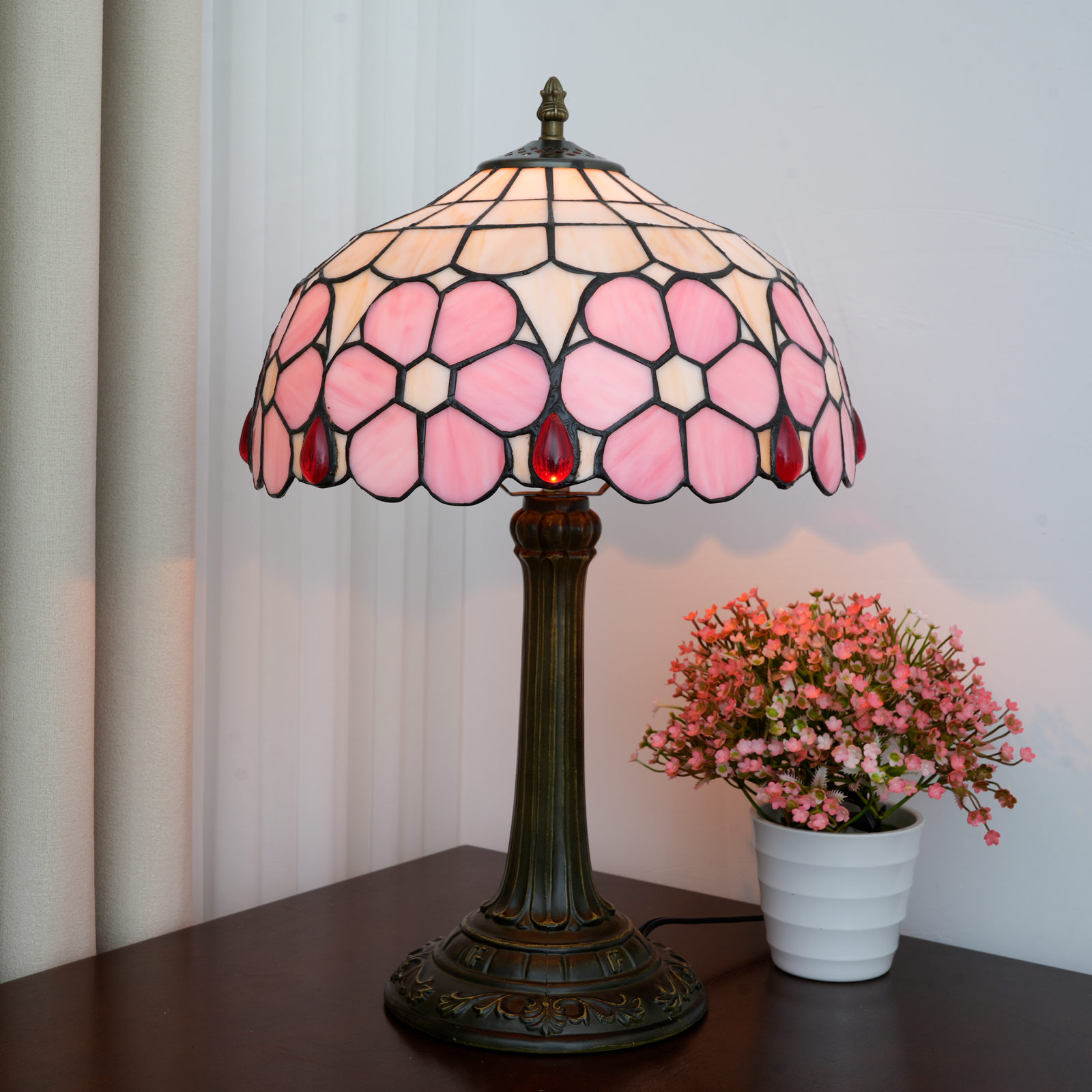
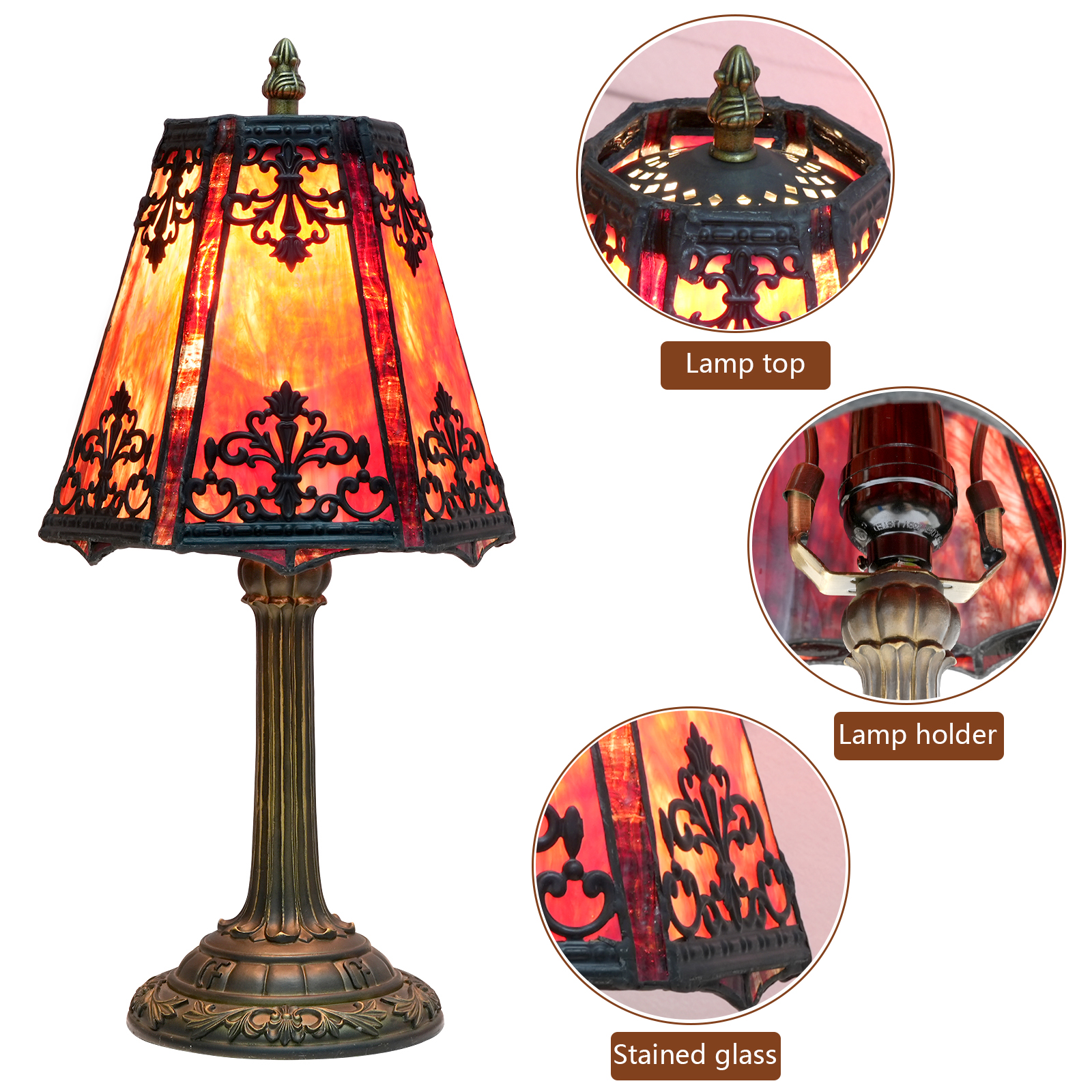
Lamps for living room are not just functional; they are also decorative. Choose lamps with statement shades or unique bases to add personality. For a cohesive look, repeat materials or colors—like brass or ceramic—throughout the room. Mixing and matching different styles can create an eclectic vibe, but ensure there is a common thread, such as a shared color palette. Consider the shade shape: drum shades offer a modern feel, while empire shades are more traditional. Also, think about the light direction: a shade that directs light upward creates ambient glow, while one that directs it downward is better for task lighting. Don't forget the cord—hide it with cord covers or choose cordless lamps for a clean look.
Energy Efficiency and Smart Lighting
In today's eco-conscious world, choosing energy-efficient lamps for living room is a smart move. LED bulbs consume up to 80% less energy than incandescent bulbs and last significantly longer. Many LED lamps are also compatible with smart home systems, allowing you to control brightness and color temperature via smartphone or voice commands. Smart lamps can be scheduled to turn on at sunset or dim for movie nights, adding convenience and enhancing the ambiance. When shopping, look for the Energy Star label to ensure quality and efficiency. Additionally, consider solar-powered lamps for a truly green option, though they may require direct sunlight to charge effectively.
Common Mistakes to Avoid
When selecting lamps for living room, avoid these common pitfalls: overlooking scale—a lamp that's too small or too large can throw off the room's balance; ignoring bulb warmth—cool white bulbs can make a living room feel sterile, so opt for warm white for coziness; neglecting dimmers—dimmers provide flexibility for different times of day; poor placement—lamps that cause glare or aren't positioned for tasks can be frustrating; and forgetting the cords—visible cords can detract from the aesthetic, so plan for cord management. By avoiding these mistakes, you'll ensure your lamps enhance both the look and functionality of your living room.
常见问题
How many lamps should a living room have?
There's no fixed number, but a good rule of thumb is to have at least three light sources to create layered lighting. This could include a floor lamp, a table lamp, and a pendant or wall sconce. Adjust based on room size and usage.
What is the best color temperature for living room lamps?
Warm white light (2700K–3000K) is generally recommended for living rooms as it creates a cozy and inviting atmosphere. Cool white (4000K–5000K) can be used for task lighting if needed.
Can I use floor lamps as the main light source?
Floor lamps can serve as primary lighting if they are bright enough and placed strategically. However, for balanced illumination, it's best to combine them with other light sources.
How do I choose a lamp shade?
Consider the lamp's function and your decor. Drum shades are modern and diffuse light evenly, while empire shades are classic and direct light upward. The shade should be proportional to the lamp base and the room's style.
Are smart lamps worth it for a living room?
Yes, smart lamps offer convenience, energy savings, and customizable lighting scenes. They are especially useful for adjusting ambiance and can integrate with home automation systems.