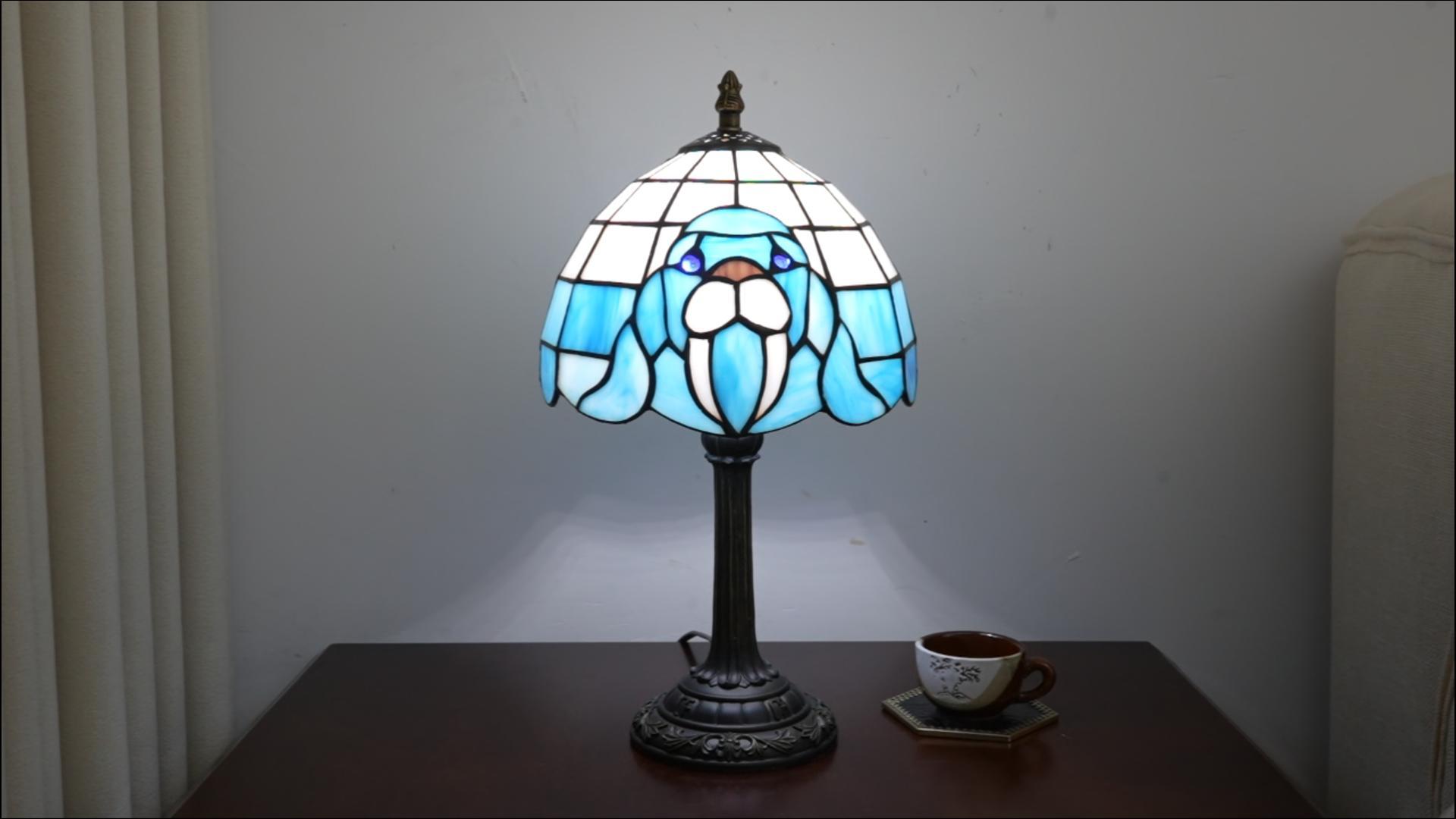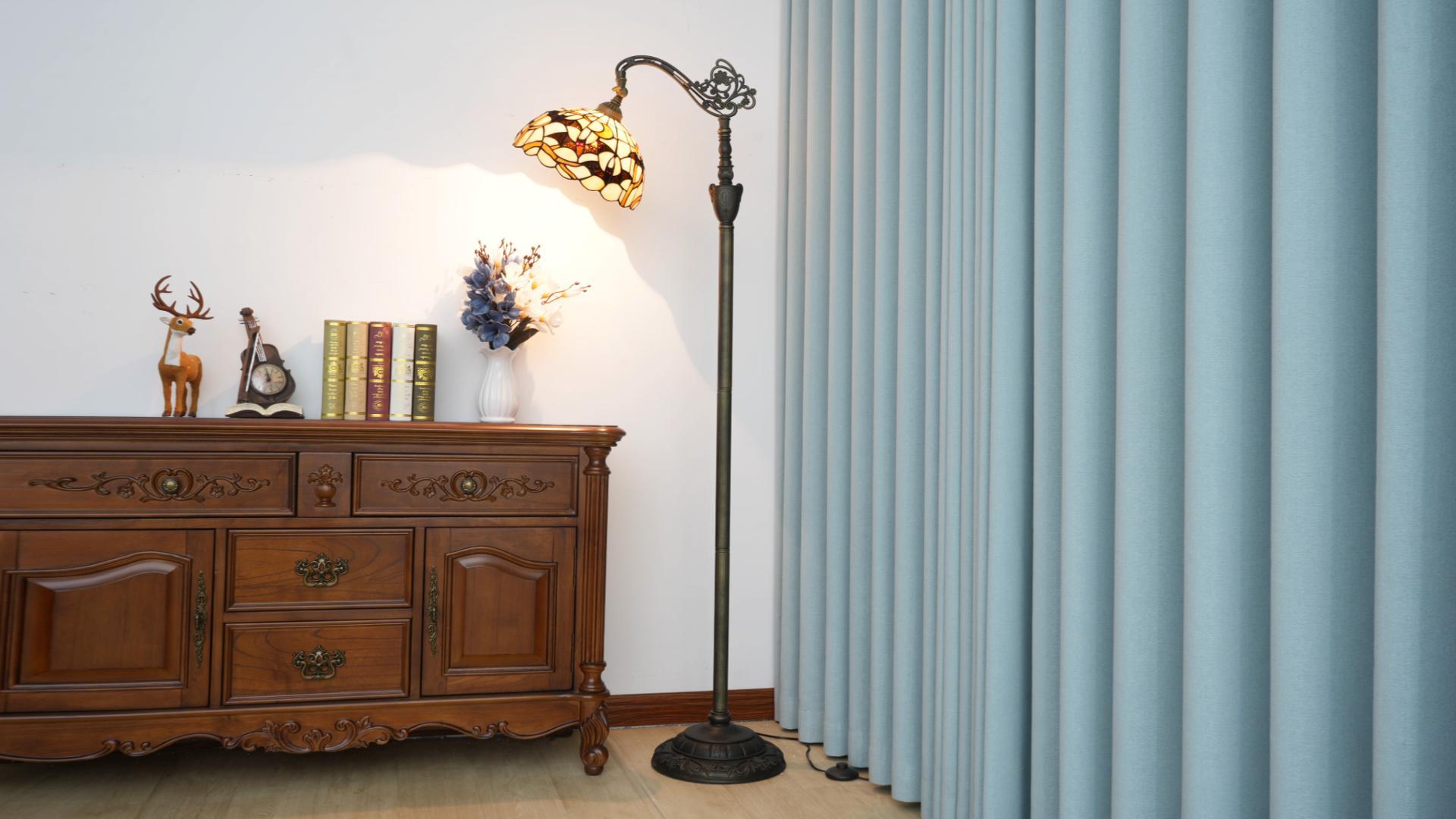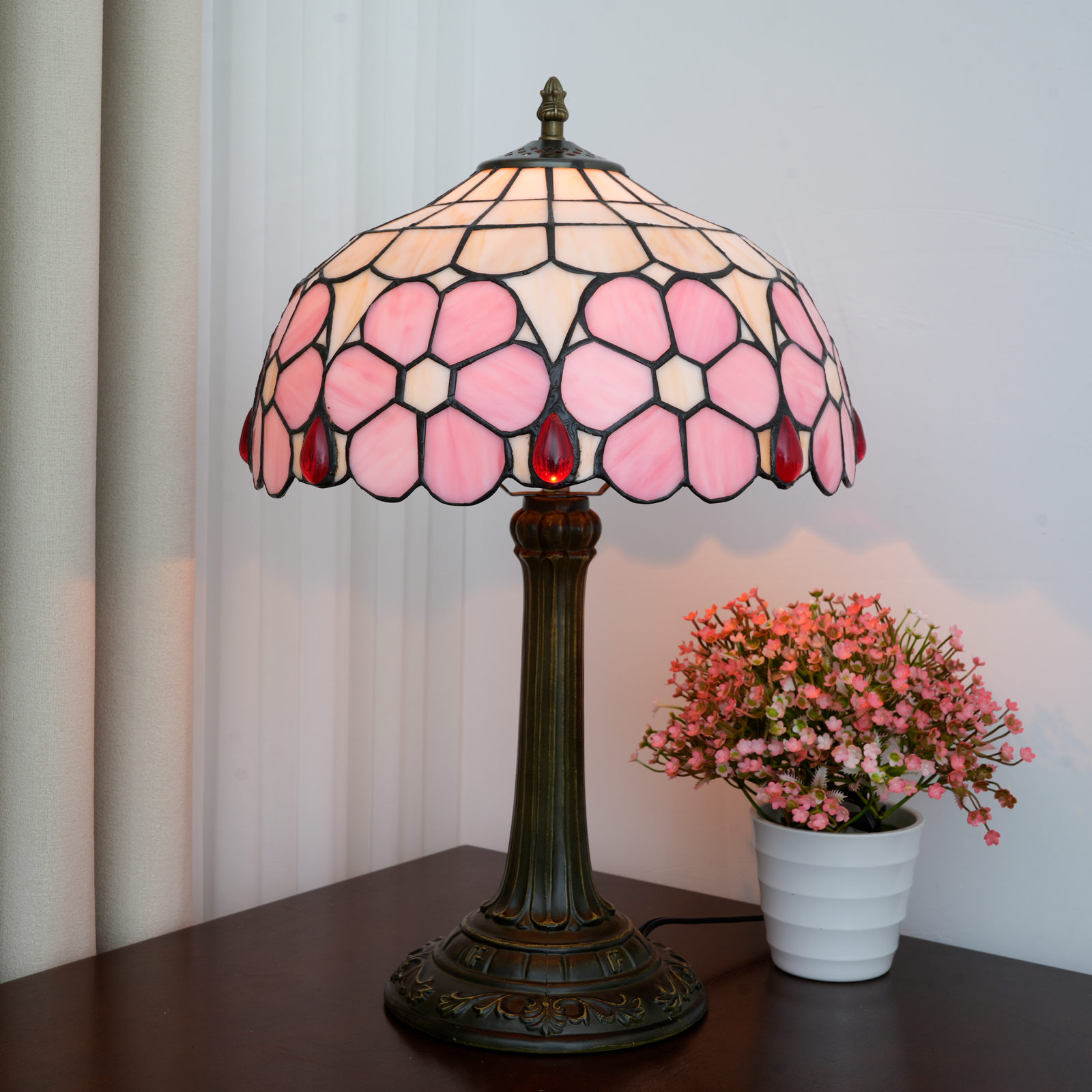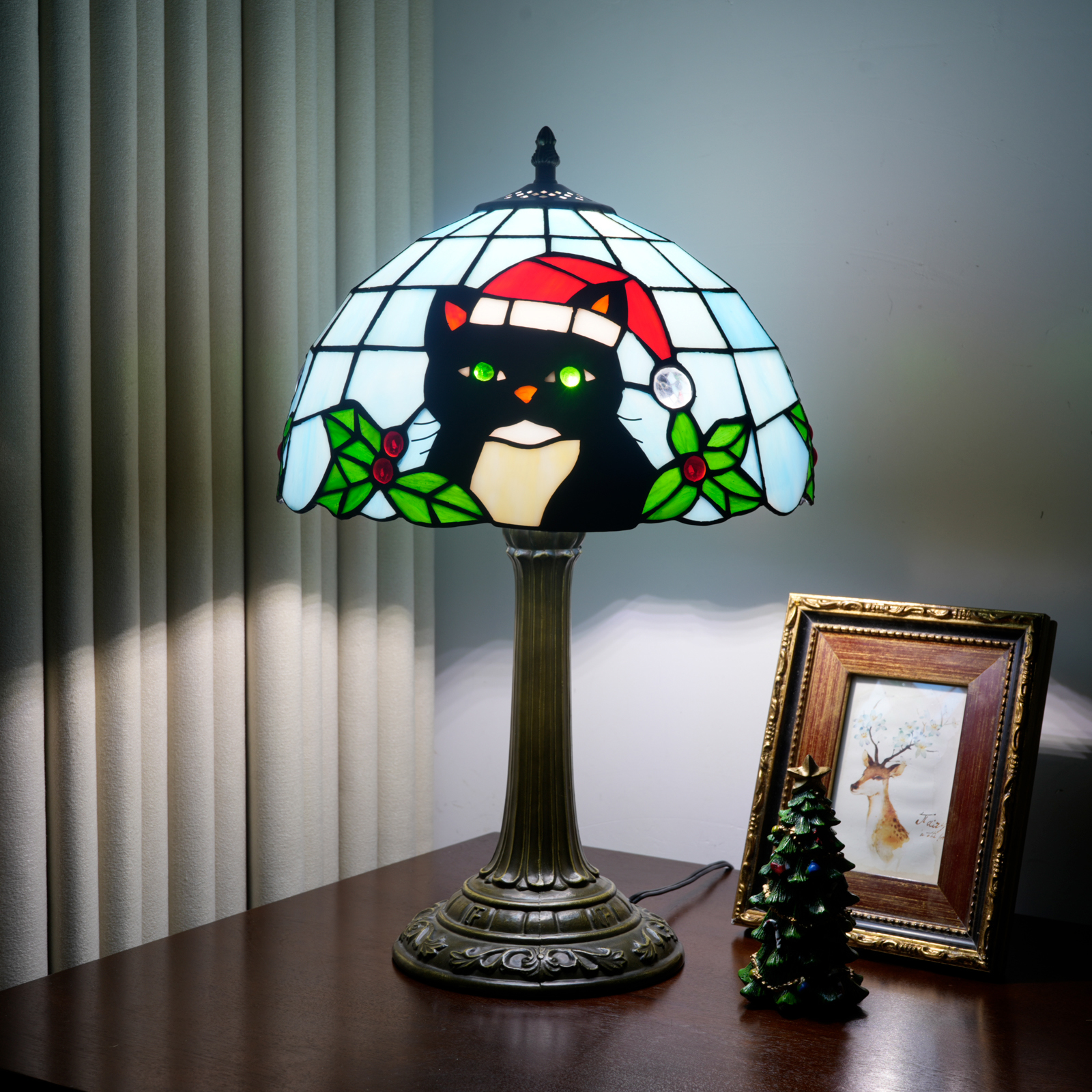









Antique Decor: Timeless Elegance for Your Homeside table lamp
November 7, 2026
What Is Antique Decor?
Antique decor refers to the use of furniture, accessories, and art pieces that are at least 100 years old, according to the widely accepted definition. These items are not merely old; they are historical artifacts that carry the craftsmanship, stories, and aesthetics of bygone eras. Incorporating antique decor into your home adds depth, uniqueness, and a sense of heritage that modern mass-produced items simply cannot replicate. Whether it's a Victorian armoire, a Persian rug, or a set of silver candlesticks, antiques bring timeless elegance and a touch of nostalgia to any interior.
The Allure of Antique Decor
Why do antiques continue to captivate designers and homeowners alike? First, they offer unmatched quality and craftsmanship. Antique furniture was often handcrafted from solid woods, using joinery techniques that have stood the test of time. Second, each piece has a unique story—a patina that reflects decades of use, a signature of a long-forgotten artisan, or a design that represents a specific historical period. Third, antiques are eco-friendly; by reusing and repurposing existing items, you contribute to sustainable living. Finally, antique decor adds instant character and sophistication, serving as a conversation starter and a focal point in any room.
How to Incorporate Antique Decor into Your Home
Introducing antiques into your space doesn't require a complete overhaul. Here are some practical strategies:
1. Start with a statement piece: Choose one large item, such as an antique chest of drawers or a grandfather clock, as an anchor for the room. 2. Mix and match: Blend antiques with modern or contemporary pieces to create an eclectic, balanced look. For example, pair a vintage sofa with a sleek coffee table. 3. Use smaller accents: If you're hesitant, begin with smaller items like antique picture frames, vases, or books. 4. Consider function: Antique furniture can be both beautiful and useful—think a vintage writing desk as a home office station or a repurposed armoire as a TV stand. 5. Create a gallery wall: Hang antique mirrors, paintings, or prints to add visual interest and a sense of history.
Remember to respect the piece's integrity—avoid heavy modifications and preserve original finishes when possible.
Common Pitfalls to Avoid
While antique decor is rewarding, there are mistakes to watch out for. Overcrowding is a common issue; too many antiques can make a space feel cluttered and museum-like. Instead, curate your collection and allow each piece to breathe. Ignoring scale and proportion can also be a problem; a massive antique buffet in a small dining room will overwhelm the space. Neglecting restoration needs is another pitfall—antiques may require gentle cleaning, reupholstering, or structural repairs to remain functional and safe. Finally, be wary of reproductions sold as antiques; always buy from reputable dealers and ask for provenance.
Where to Find Quality Antique Decor
Sourcing authentic antiques can be an adventure. Explore local antique shops and flea markets for hidden gems. Auctions, both online and in-person, offer a wide range of pieces, but inspect condition carefully. Estate sales are excellent for finding well-preserved items with history. For high-end or specific periods, consider antique shows and specialized dealers. Online platforms like 1stDibs, Chairish, and eBay can be convenient, but verify seller ratings and return policies. Always authenticate before purchasing—check for maker's marks, joinery details, and wear patterns consistent with age.
Caring for Your Antique Decor
Proper care ensures your antiques last for generations. Dust regularly with a soft, dry cloth, and avoid harsh chemicals. For wood, use a gentle wax or polish specifically designed for antiques. Control humidity and temperature to prevent warping, cracking, or fading; aim for 40-60% relative humidity. Keep antiques out of direct sunlight to avoid UV damage. Handle with care—lift furniture rather than dragging it, and use felt pads under legs to prevent scratches. For textiles and upholstery, vacuum gently and consider professional cleaning when necessary. Address any repairs promptly, but always consult a conservator for valuable pieces.
Frequently Asked Questions
Are antiques a good investment?
Antiques can be a sound investment if you choose quality pieces with historical significance and maintain them well. However, market values fluctuate, so buy what you love first and foremost. Consult appraisers for guidance.
How can I tell if an item is a genuine antique?
Look for signs of age: patina, hand-cut dovetails, old screws, and wear patterns. Research maker's marks and consult experts. Reputable dealers provide provenance and authentication.
Can I use antiques in a modern home?
Absolutely! Mixing antiques with modern decor creates a dynamic, personalized space. Balance is key—let antiques shine without overwhelming the room.
What if I have pets or children?
Choose sturdy pieces and place fragile items out of reach. Consider antiques with rounded edges and avoid pieces with lead paint or sharp corners. With care, antiques can coexist happily with family life.
How do I clean antique wood furniture?
Dust with a soft cloth. For deeper cleaning, use a mild solution of water and vinegar, then dry immediately. Avoid silicone-based polishes and harsh chemicals.