








Ambient Lighting: The Ultimate Guide to Transforming Your Spacevintage table lamp
November 12, 2026
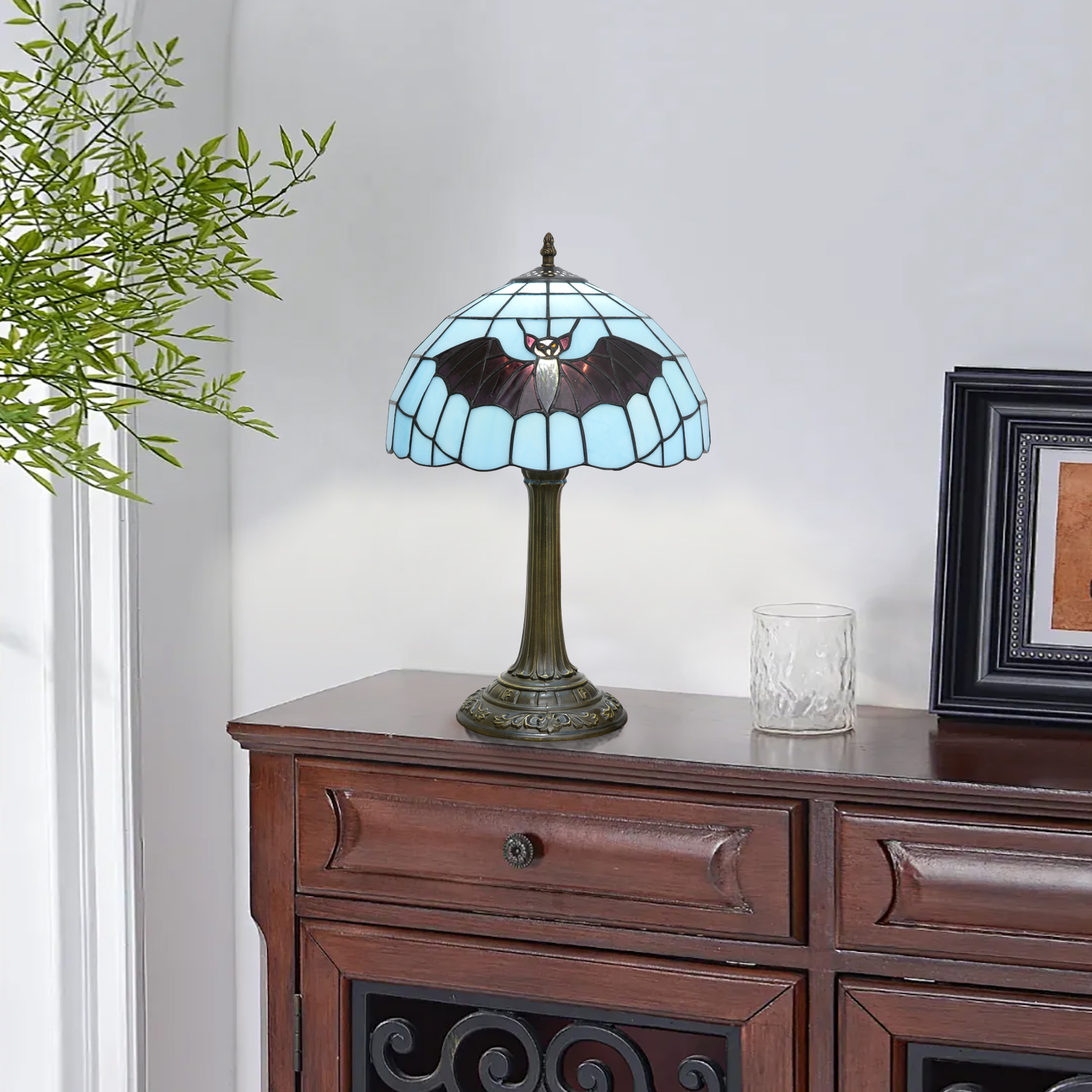
What is Ambient Lighting?
Ambient lighting, often referred to as general lighting, is the foundational layer of light in any space. It provides overall illumination, allowing you to move safely and comfortably while setting the tone for the room. Unlike task or accent lighting, ambient lighting is designed to light an entire area evenly, eliminating harsh shadows and creating a welcoming environment. Common sources include ceiling fixtures, chandeliers, recessed lights, and wall sconces. The key to effective ambient lighting is achieving a balance between brightness and softness, ensuring that the light is sufficient for daily activities without being overpowering.
The Role of Ambient Lighting in Design
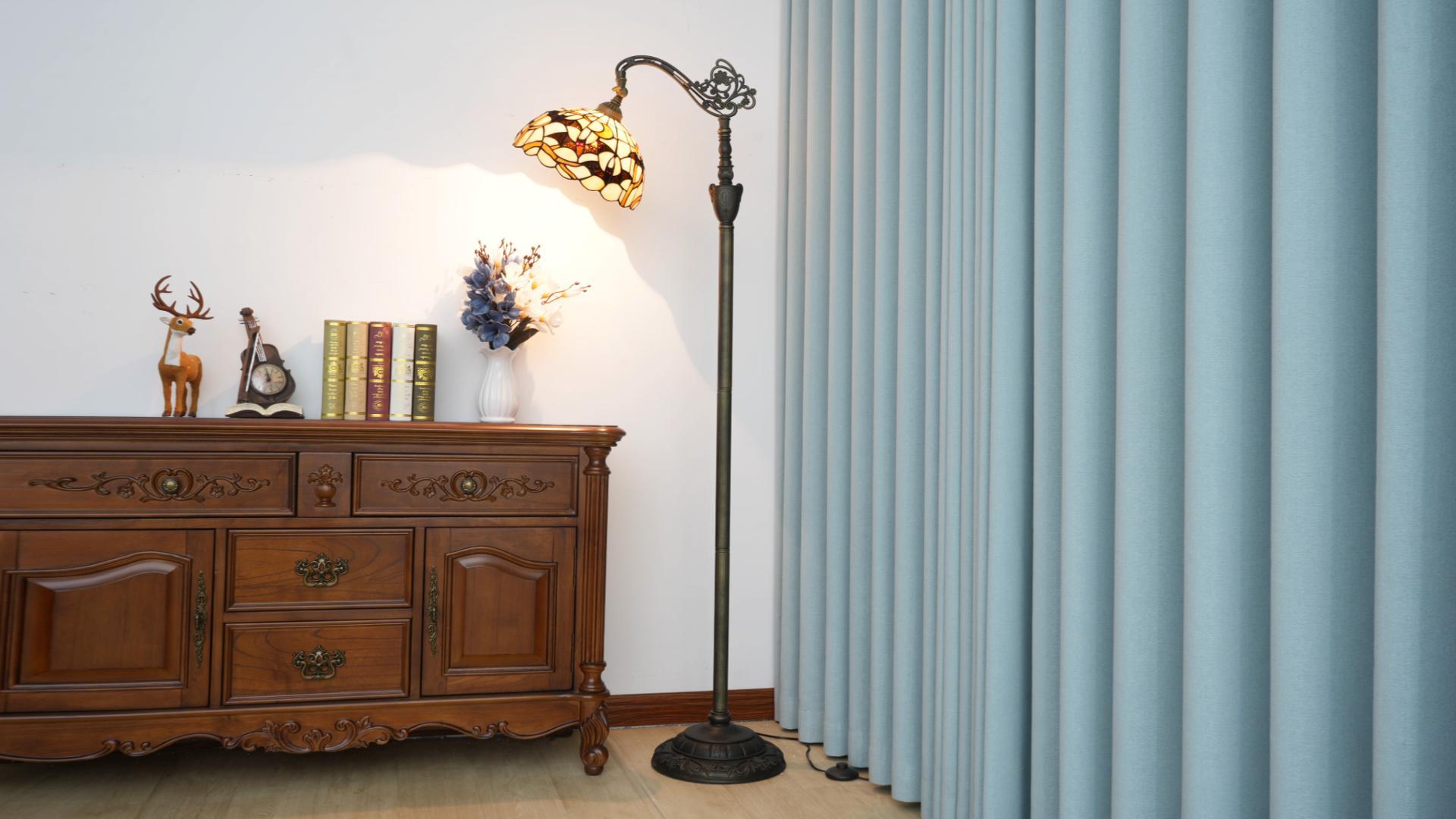
Ambient lighting plays a crucial role in interior design, influencing both the functionality and the aesthetic appeal of a space. It can make a small room feel larger, a large room feel cozier, and a plain room feel elegant. By layering ambient lighting with other types of lighting—such as task and accent—you can create depth and dimension. For instance, a living room with a central chandelier (ambient) complemented by floor lamps (task) and picture lights (accent) will feel more dynamic than one with only a single overhead light. Moreover, ambient lighting can affect our mood and well-being; warm, dim light can promote relaxation, while bright, cool light can enhance focus and alertness.
Types of Ambient Lighting Fixtures
There are numerous fixtures that can provide ambient lighting, each with its own characteristics. Ceiling-mounted fixtures like flush mounts and semi-flush mounts are ideal for low ceilings and provide widespread light. Chandeliers and pendants add a decorative element and are perfect for dining rooms or entryways. Recessed lighting offers a clean, streamlined look and can be used to wash walls or highlight architectural features. Track lighting is versatile and adjustable, allowing you to direct light where needed. Wall sconces provide ambient light while adding a touch of elegance, often used in hallways or bathrooms. When selecting fixtures, consider the size of the room, ceiling height, and your personal style to ensure both function and form.
How to Choose the Right Ambient Lighting
Choosing the right ambient lighting involves several considerations. First, determine the purpose of the room: a home office may require brighter, cooler light for productivity, while a bedroom benefits from softer, warmer light for relaxation. Second, calculate the lumens needed based on square footage; a general rule is 20 lumens per square foot for living areas. Third, consider the color temperature: warm white (2700K-3000K) creates a cozy atmosphere, while cool white (3500K-5000K) is more energizing. Fourth, think about dimmers; they offer flexibility to adjust brightness for different times of day and activities. Finally, integrate layered lighting to avoid a flat, one-dimensional look. By addressing these factors, you can achieve ambient lighting that is both practical and beautiful.
Common Mistakes to Avoid
Even with good intentions, homeowners often make mistakes with ambient lighting. One common error is over-illumination, which can cause glare and discomfort. Instead of one bright central light, use multiple softer sources. Another mistake is ignoring shadows; ambient lighting should minimize harsh shadows, so distribute light sources evenly. Neglecting dimmer switches limits flexibility and can make a space feel sterile. Also, using the wrong color temperature can clash with the room's design and purpose. Lastly, forgetting to layer ambient with task and accent lighting results in a space that feels incomplete. Avoiding these pitfalls will ensure your ambient lighting enhances both comfort and style.
Ambient Lighting Trends for 2024
As we move through 2024, ambient lighting trends are leaning towards smart integration and sustainability. Smart lighting systems allow you to control brightness and color temperature via apps or voice commands, adapting to your daily routine. Human-centric lighting is gaining traction, focusing on lighting that supports circadian rhythms by adjusting throughout the day. LED technology continues to dominate due to its energy efficiency and versatility. In terms of design, minimalist fixtures and integrated lighting in furniture or architecture are popular, creating seamless looks. Warm, diffused light remains a favorite for creating inviting spaces, while bold, sculptural fixtures serve as statement pieces.
Frequently Asked Questions
What is the difference between ambient and task lighting?
Ambient lighting provides overall illumination for a space, while task lighting is focused on specific areas for activities like reading or cooking. Ambient lighting sets the general mood, whereas task lighting enhances functionality.
How many lumens do I need for ambient lighting?
A common guideline is 20 lumens per square foot for general ambient lighting in living spaces. However, this can vary based on room function and personal preference. Adjust according to the room's size and intended use.
Can I use only ambient lighting in a room?
While ambient lighting alone can suffice for basic visibility, it often lacks the depth and flexibility that layered lighting provides. Combining ambient with task and accent lighting creates a more functional and aesthetically pleasing environment.
What color temperature is best for ambient lighting?
Warm white (2700K-3000K) is ideal for living rooms and bedrooms to create a cozy atmosphere, while cool white (3500K-5000K) works well in kitchens and offices for a more alert and focused environment.
How can I make ambient lighting more energy-efficient?
Switch to LED bulbs, which use significantly less energy than incandescent or halogen bulbs. Additionally, install dimmer switches and occupancy sensors to reduce unnecessary usage. Smart lighting systems can also optimize energy consumption.